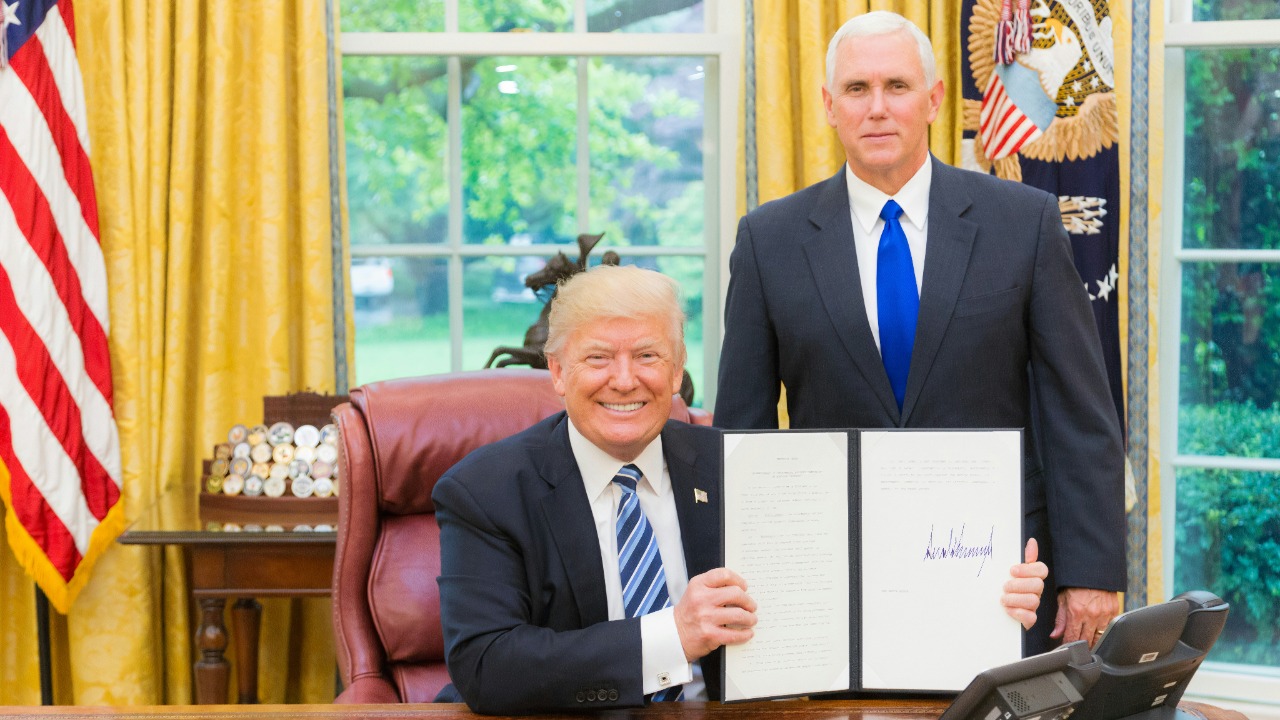
President Donald Trump’s recent threat to impose a 50% tariff on Brazilian imports has sent shockwaves through international trade markets. The proposed tariffs have raised concerns about the future of U.S.-Brazil relations and the broader implications for global trade dynamics.
The Context of Trump’s Tariff Threat

The proposed 50% tariff by Trump targets a wide range of Brazilian goods, with particular emphasis on agricultural products and raw materials like steel. Historically, Trump’s administration was known for its aggressive trade policies, including tariffs on Chinese goods and threats against European imports. These measures often aimed to protect American industries but also resulted in retaliatory actions and heightened trade tensions globally.
The latest tariff threat fits into a broader pattern of trade tensions between the U.S. and other countries. Trump’s earlier tariff policies led to strained relations with China and the European Union, and this new move appears to extend that strategy to Brazil. The potential impact on trade relations and global economic stability is significant, as countries respond to the U.S.’s protectionist measures.
Brazil’s Economic Dilemma
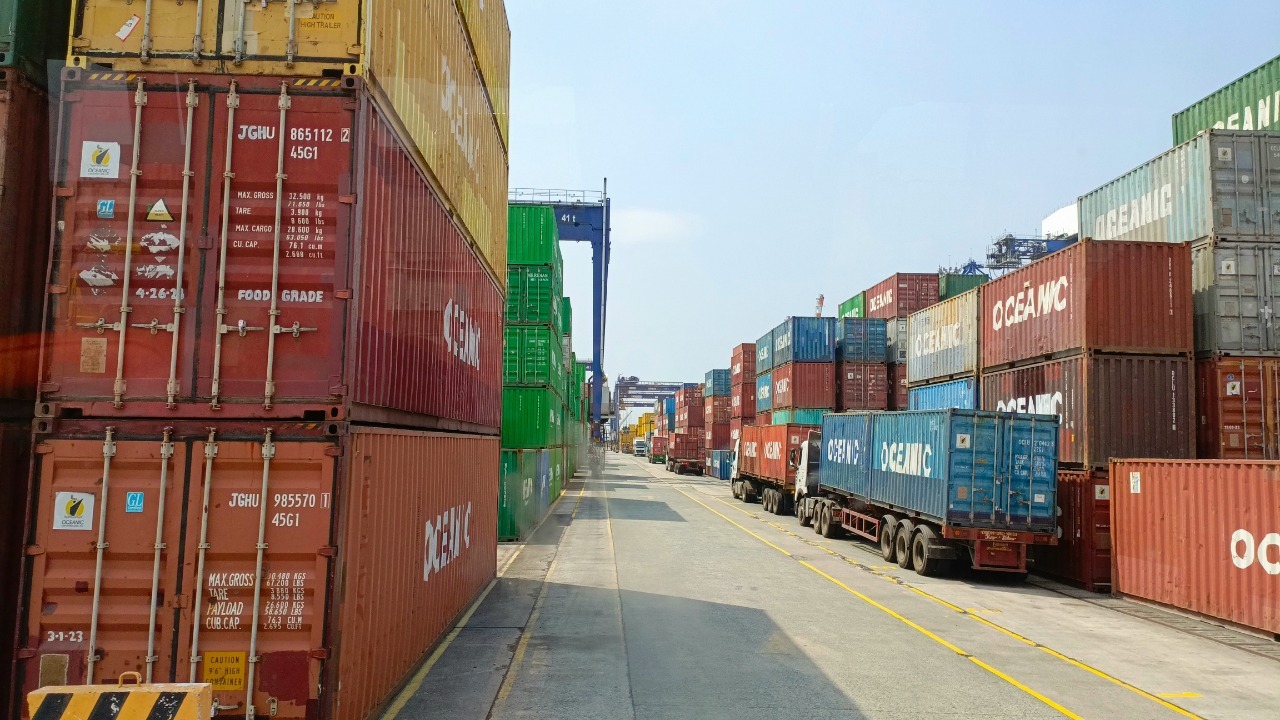
The immediate economic impact of the proposed tariffs could be severe for Brazil, especially in crucial sectors like agriculture and steel. These industries are heavily reliant on U.S. markets, and a 50% tariff would make Brazilian products significantly less competitive. The Brazilian government is scrambling to respond, with officials engaging in diplomatic efforts to mitigate the potential damage and exploring other markets to offset the losses.
In the long term, these tariffs could force Brazil to reconsider its trade strategies and partnerships. The country might seek to strengthen ties with other economic powers in Asia or Europe, reducing its dependence on the U.S. market. However, such shifts could take time and might not fully compensate for the potential losses from U.S. tariffs.
Global Trade Implications
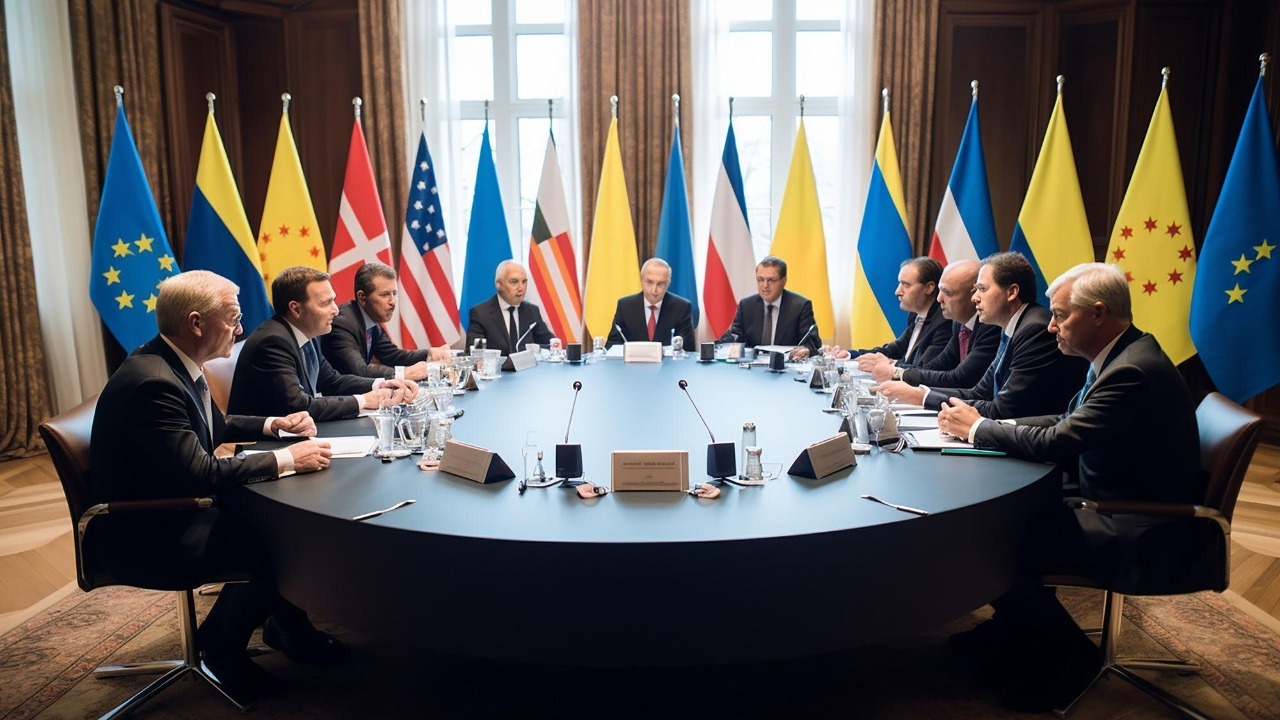
The international reaction to the tariff threat has been one of concern and caution. Countries within the European Union have already vowed to retaliate if the U.S. proceeds with its baseline tariff plan. This move heightens the risk of escalating trade tensions into wider conflicts, as nations may resort to similar protective measures in response to U.S. actions.
The potential disruption to global supply chains is another critical issue. Many industries worldwide depend on Brazilian exports, and a significant tariff hike could lead to increased costs and delays. Sectors like automotive and electronics, which rely on raw materials from Brazil, could face supply chain disruptions that affect production timelines and pricing.
Political Ramifications in the U.S. and Brazil

Within the U.S., Trump’s tariff proposal has elicited mixed reactions. While some political allies support the move as a means of protecting American jobs, opponents argue that it could lead to increased costs for consumers and strain diplomatic relations. The tariff threat has become a contentious issue in U.S. politics, with debates over its economic and diplomatic consequences.
In Brazil, the political landscape is also affected. The current administration faces mounting pressure to address the economic threats posed by the tariffs, which could influence future elections and policy decisions. The diplomatic implications are significant, as both countries must navigate the delicate balance of maintaining a cooperative relationship while addressing their national interests.
The broader diplomatic implications for U.S.-Brazil relations are profound. As both nations work through this challenging period, future negotiations will require careful diplomacy to avoid further escalation and to seek mutually beneficial solutions.

Grant Mercer covers market dynamics, business trends, and the economic forces driving growth across industries. His analysis connects macro movements with real-world implications for investors, entrepreneurs, and professionals. Through his work at The Daily Overview, Grant helps readers understand how markets function and where opportunities may emerge.

