
A sweeping $14 billion health fraud bust has sent shockwaves through the Carolinas, revealing widespread misconduct in the healthcare system. Authorities have uncovered fraudulent activities that drained resources from Medicaid and other programs, significantly impacting the region’s healthcare landscape.
Impact on Healthcare Providers in the Carolinas

The involvement of local hospitals and clinics in this massive fraud scheme is both alarming and consequential. Numerous healthcare facilities were found to have engaged in fraudulent billing practices, misrepresenting medical procedures and services to siphon off funds from Medicaid. For instance, several institutions filed claims for expensive procedures that were either never performed or not medically necessary, creating a web of deceit that extended across state lines. This has placed a spotlight on the need for stricter oversight and accountability within the healthcare system.
Healthcare professionals and administrators played pivotal roles in perpetuating these fraudulent activities. In some cases, physicians were found complicit in signing off on false claims, while administrators manipulated billing systems to enhance revenue streams illicitly. The immediate repercussions for these healthcare facilities are severe, with potential loss of federal funding and reputational damage. Long-term consequences include increased scrutiny from regulatory bodies and a potential reshuffling of administrative and medical staff to restore trust and integrity within the system.
Response from State and Federal Authorities
The investigation that led to this monumental bust was a collaborative effort involving multiple agencies, including the FBI, the Department of Health and Human Services, and state-level fraud control units. This multi-agency task force conducted comprehensive audits and utilized advanced data analytics to trace the illegal activities back to their sources. The key agencies have emphasized the importance of such collaborations in unveiling complex fraud networks and have pledged ongoing support to enhance detection capabilities.
State officials have swiftly responded by issuing stern warnings and implementing preventive measures against future fraud. Actions include tightening regulations around Medicaid billing and offering training programs for healthcare providers to recognize and report suspicious activities. Federal initiatives are also underway, focusing on improving data sharing between states and enhancing the use of artificial intelligence to detect anomalies in billing patterns. These efforts are part of a broader strategy to safeguard public resources and ensure that Medicaid funds are used appropriately.
Economic and Social Consequences

The financial impact of this fraud on state budgets and Medicaid resources is profound. With billions of dollars misappropriated, the strain on the Carolinas’ healthcare funding is evident. This not only affects the availability of resources for legitimate healthcare needs but also places additional burden on taxpayers who ultimately shoulder the costs of such fraudulent activities. The state governments are now faced with the challenge of reallocating funds to fill the gaps created by this financial drain.
The implications for patients and communities relying on affected healthcare services are dire. Many residents in the Carolinas depend on Medicaid for essential healthcare services, and the fraud has disrupted the delivery of these services, leading to potential delays in care and reduced access to treatment. The broader socio-economic effects are also apparent, as the healthcare sector is a significant employer in the region. Job losses and economic instability could follow if healthcare facilities are forced to close or reduce operations due to financial strains.
Legal Proceedings and Penalties

The legal proceedings following this bust are extensive, with charges filed against numerous individuals and organizations involved in the fraud. Those implicated face serious consequences, including hefty fines, restitution orders, and potentially lengthy prison sentences. These legal actions serve as a deterrent to others who might consider engaging in similar fraudulent activities and highlight the seriousness with which authorities view healthcare fraud.
Potential penalties for those found guilty are severe, reflecting the substantial harm caused to public resources and trust. Legal reforms and policy changes are being discussed at both state and federal levels to strengthen the legal framework against healthcare fraud. This includes revising sentencing guidelines to ensure that penalties are proportionate to the scale of fraud and implementing stricter compliance requirements for healthcare providers. Such reforms are critical to preventing future occurrences and ensuring that the legal system can effectively address complex fraud cases.
Community and Public Reactions
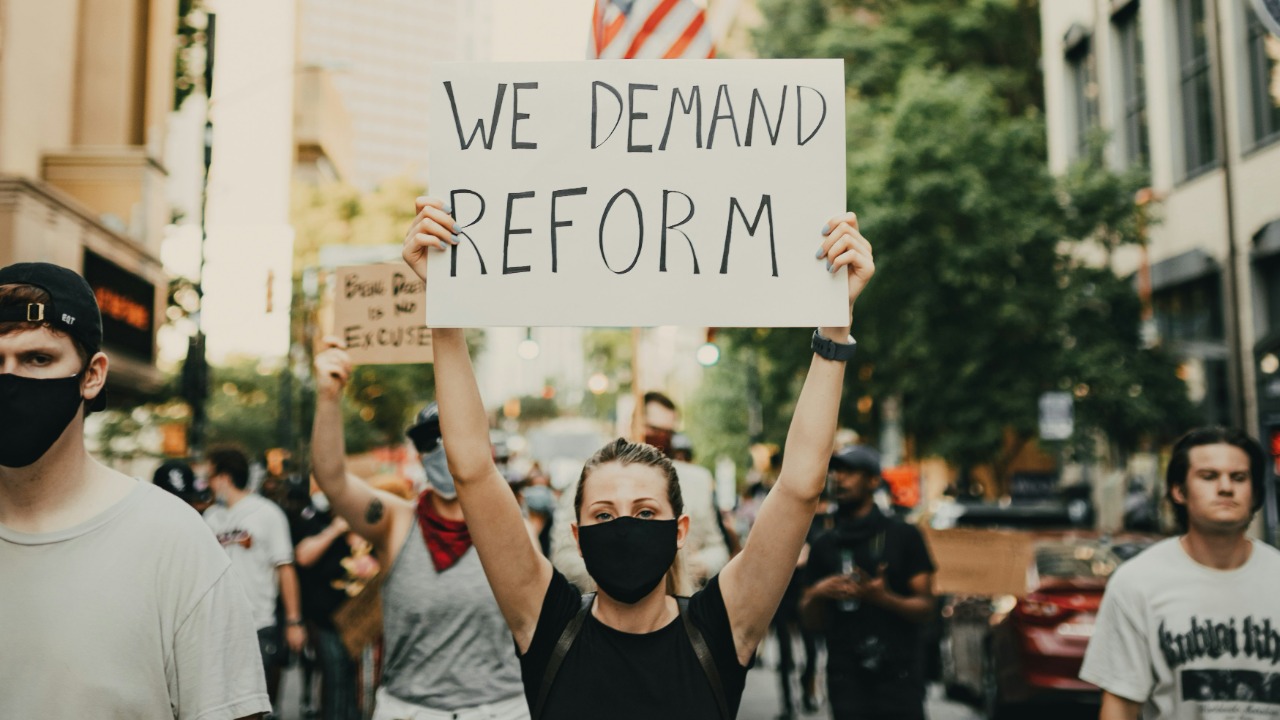
The public sentiment across the Carolinas is one of outrage and disappointment. Many residents feel betrayed by the healthcare providers they trusted, and there is a strong demand for accountability and transparency from those involved. Community leaders and healthcare advocates have been vocal in their calls for reforms and have initiated public campaigns to raise awareness about the importance of integrity in healthcare. Local social media channels are abuzz with discussions on how to rebuild trust and prevent future misconduct.
In response, several initiatives have been launched to restore confidence in the healthcare system. These include community forums to educate the public on identifying and reporting fraud and partnerships with local media to provide updates on the legal proceedings and reforms being implemented. Healthcare advocates are emphasizing the importance of vigilance and accountability, urging residents to remain informed and proactive in safeguarding their healthcare system. Such efforts are crucial in ensuring that the lessons learned from this crisis lead to a more robust and trustworthy healthcare environment.

Grant Mercer covers market dynamics, business trends, and the economic forces driving growth across industries. His analysis connects macro movements with real-world implications for investors, entrepreneurs, and professionals. Through his work at The Daily Overview, Grant helps readers understand how markets function and where opportunities may emerge.