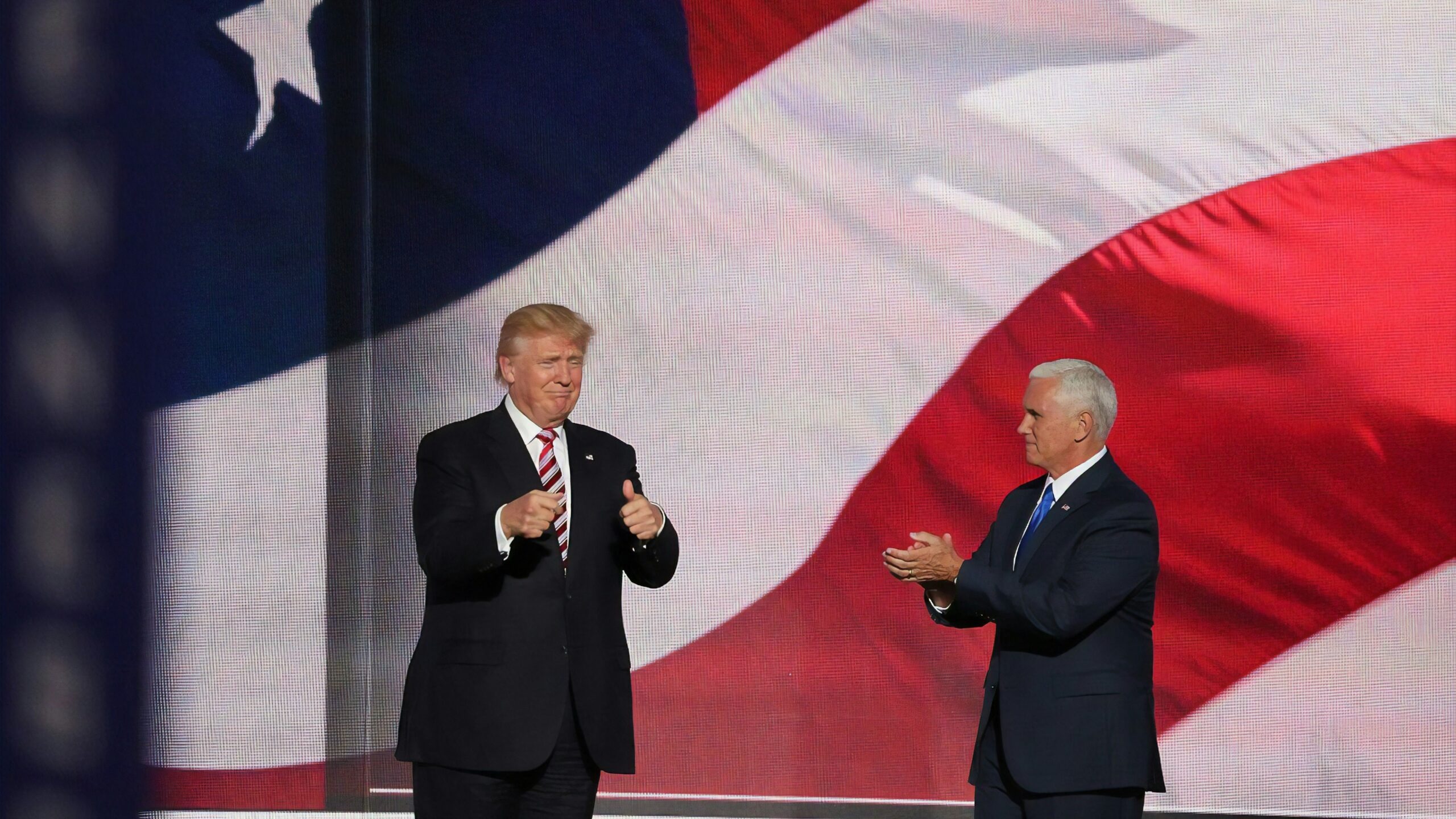
President Trump has built his economic pitch around making life cheaper for American families, floating ideas from extended mortgage terms to direct cash payments. But the cost of owning and operating a car, the single largest transportation expense most households face, is moving in the opposite direction. Federal data, White House trade policy, and regulatory mechanisms are now converging in ways that could make the car cost squeeze worse, not better, raising hard questions about whether the affordability agenda can deliver on its core promise.
Maintenance and Insurance Are Driving Transportation Inflation
The January 2026 Transportation Consumer Price Index, released by the Bureau of Transportation Statistics, offers a clear breakdown of what is pushing transportation costs higher and what is holding them back. Motor vehicle maintenance and repair, along with motor vehicle insurance, are identified as contributors to inflation, while gasoline and used cars are acting as dampeners. That split matters because it reveals where the real pressure sits: not at the pump or on the dealer lot, but in the ongoing costs of keeping a car on the road, where households have less flexibility and fewer substitutes.
For a household budgeting around a vehicle it already owns, falling used car prices offer little comfort when the mechanic’s bill and the insurance premium keep climbing. Repair costs reflect labor market tightness and parts pricing, while insurance premiums respond to claims severity, replacement costs, and regulatory conditions in each state. These are recurring expenses that hit monthly or quarterly, and they fall hardest on lower-income drivers who tend to own older vehicles requiring more frequent service. The BTS data suggests the car cost crisis is less about sticker shock and more about the grind of ownership that quietly erodes disposable income over time.
Auto Tariffs Add a New Layer of Cost Pressure
The White House moved to impose a 25% tariff on imported vehicles and select parts under Section 232, framing the action as a national security measure to protect domestic manufacturing. The policy includes a content-certification carveout for models that qualify under the USMCA, shielding some North American production from the full tariff rate. But the structure also contains an outline for how coverage of individual components can expand over time, meaning the tariff’s reach is not fixed and can gradually encompass a wider slice of the aftermarket and repair ecosystem.
That expansion mechanism is already in motion. The Department of Commerce has created a formal petition process for additional parts to be brought under the tariff schedule at the request of domestic producers. In practical terms, the list of components subject to the 25% levy can grow steadily, covering categories that were initially exempt or only lightly affected. Every addition raises the cost floor for repair shops, dealerships, and ultimately consumers. If a brake rotor or alternator that was previously imported duty-free gets added to the list, the price increase flows downstream within weeks, showing up as higher estimates at the service counter and, eventually, higher insurance payouts when those parts are needed after a crash.
Insurance Costs Compound the Ownership Burden
The U.S. Department of the Treasury’s Federal Insurance Office released a report on personal auto coverage that frames premiums as a central factor in vehicle affordability. The analysis highlights how technological change, repair complexity, and state-level liability mandates interact to shape what drivers pay. Because nearly every state requires minimum liability coverage, motorists cannot simply opt out when premiums rise; insurance is not discretionary spending but a legal condition of driving, and for many workers, a condition of holding a job that requires commuting or travel.
When repair costs increase—whether from higher labor rates, more expensive parts, or tariff-driven price adjustments—insurers eventually pass those costs through in the form of higher premiums. This creates a feedback loop: tariffs raise parts prices, which raise repair bills, which raise claims costs, which raise premiums. The Treasury report’s focus on affordability suggests federal officials are aware of this dynamic, but awareness and action are different things. For now, the policy apparatus is simultaneously identifying insurance as a pressure point for households and enacting trade measures that could make it worse, leaving drivers squeezed between regulatory requirements and market responses they cannot easily escape.
The Affordability Agenda’s Blind Spot
Trump’s broader affordability push has drawn attention for its ambition. Reporting from the BBC describes proposals such as fifty-year mortgages and $2,000 direct payments, pitched as ways to ease housing and cash-flow pressures for stretched households. These are headline-grabbing ideas designed to signal that the administration takes cost-of-living concerns seriously and is willing to challenge conventional policy boundaries. Yet the car cost problem sits in a different category. Housing proposals can be structured as one-time shifts in loan terms or temporary infusions of cash. Vehicle ownership costs are ongoing, fragmented across insurance, fuel, maintenance, and financing, and shaped by trade policy in ways that housing costs are not.
Some analysts have questioned whether populist affordability agendas deliver meaningful results for working families once the campaign rhetoric fades. An analysis in the Washington Post explores the limits of such approaches, noting the persistent gap between political messaging and household-level outcomes. The car cost crisis sharpens that critique. A $2,000 check can be consumed in a single insurance billing cycle and a couple of major repairs. A fifty-year mortgage does nothing for the driver facing a $1,200 transmission replacement on a vehicle assembled with tariffed components. As currently constructed, the affordability agenda addresses some of the most visible cost pressures while leaving the daily grind of car ownership largely untouched, even as federal decisions directly influence those expenses.
Where the Policy Math Breaks Down
The core problem is that the administration’s economic narrative assumes that highly visible relief—longer mortgages, one-time payments, and symbolic protection of domestic factories—will outweigh less visible but relentless cost increases in areas like transportation. That calculus falters when federal data already show maintenance and insurance as active drivers of inflation, and when trade and regulatory choices are poised to intensify those very pressures. Tariffs designed to encourage domestic production arrive years before any meaningful reshoring of parts manufacturing can lower prices, leaving consumers to shoulder higher costs in the interim. Insurance regulators, largely operating at the state level, have limited tools to offset a national policy shock that raises the underlying cost of every claim.
For car owners, the result is a kind of policy whiplash. On one hand, they hear promises of an affordability revolution and may receive sporadic financial relief aimed at rent or mortgage payments. On the other, they confront non-negotiable transportation expenses that creep higher with each renewal notice and repair invoice, driven in part by federal choices made in the name of economic nationalism. Unless the administration begins treating vehicle ownership costs with the same urgency it brings to housing and headline inflation, the math will continue to break down: any gains from the affordability agenda will be quietly eroded in the driveway and at the repair shop, leaving families wondering why a promise to make life cheaper has coincided with the rising price of simply getting to work.
More From The Daily Overview
*This article was researched with the help of AI, with human editors creating the final content.

Cole Whitaker focuses on the fundamentals of money management, helping readers make smarter decisions around income, spending, saving, and long-term financial stability. His writing emphasizes clarity, discipline, and practical systems that work in real life. At The Daily Overview, Cole breaks down personal finance topics into straightforward guidance readers can apply immediately.
