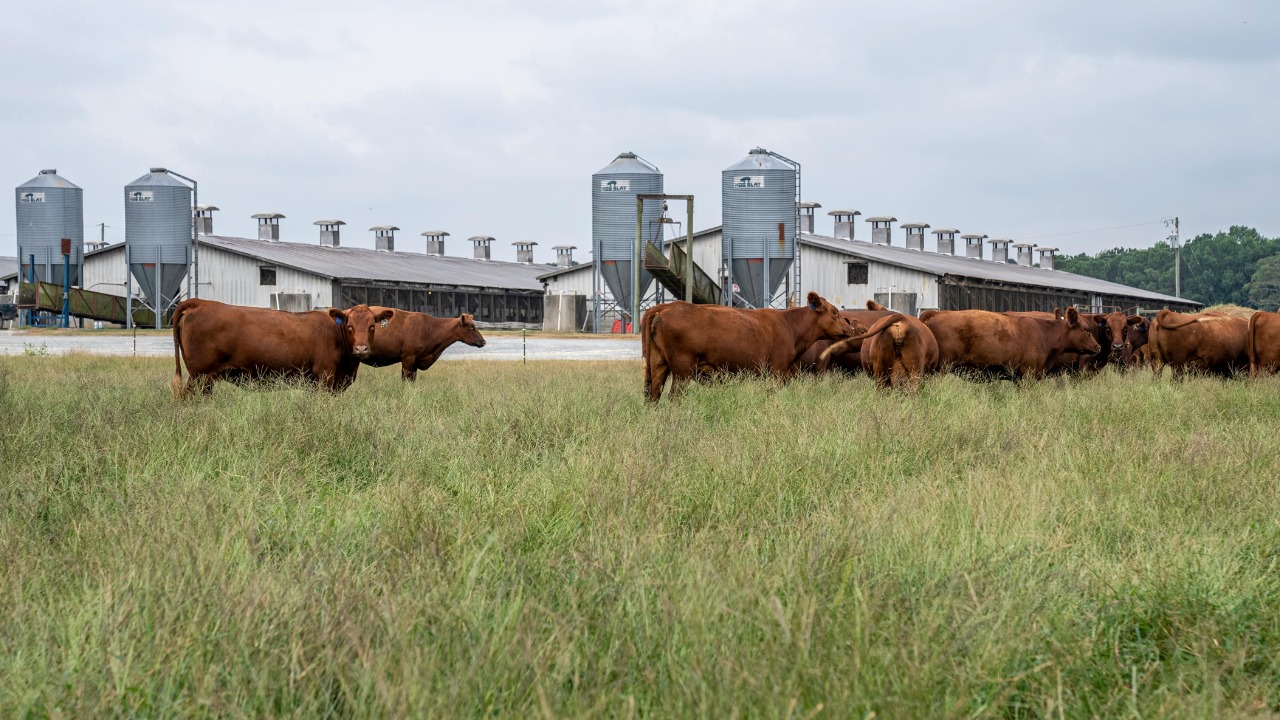
President Donald Trump is selling his new beef trade push as a quick way to bring down grocery bills. The pitch sounds simple: import more beef, fill the gap left by a shrinking U.S. herd, and watch prices fall. The economics behind that promise are more complex, and the government’s own data suggests the plan could hurt both shoppers and ranchers.
Imports can help smooth supply when domestic production tightens, but they cannot rewrite how the beef market works. Trade flows, retail price series, and official spread data all show that most of the money between farm and dinner plate is captured in the middle of the chain. Unless the deal changes that structure, it is unlikely to deliver the cheaper steaks the White House is promoting.
The promise behind Trump’s beef push
The White House has framed the new trade push as a direct response to a supply crunch at home. In an official fact sheet, the administration states that the U.S. cattle herd has fallen to a record low and that domestic beef production is “sharply reducing.” That document, issued under President Donald J. Trump’s effort to “ensure affordable beef,” presents increased imports as the main tool for keeping supermarket coolers full and prices in check.
That framing matters because it treats foreign beef as a simple plug for a domestic shortfall rather than a change in how the market balances power between ranchers, packers, and retailers. The language around “supplementing our beef supply” in the White House fact sheet shows that the administration is reacting to tight supplies, not rethinking the structure that helped create the squeeze. That distinction is key to understanding why the deal may not deliver the price relief the headline suggests.
What the trade data actually shows
To judge whether more imports will really flood the market, it helps to look at the government’s own trade numbers. The Livestock and Meat International Trade Data, compiled by the USDA Economic Research Service from official U.S. Census statistics, provides monthly and annual figures for U.S. beef and veal imports and exports in carcass-weight equivalent. It also breaks those flows out by partner country in downloadable tables and CSV files, which together can include more than 698 individual country–product lines for a single year.
These details show how flexible, or rigid, trade flows really are. When imports are already tied to specific partner countries and product types, a sudden push to “bring in more beef” has to work through existing channels and processing limits. The ERS trade tables give policymakers a granular view of those flows, but they do not create new slaughter capacity, trucking routes, or cold storage space. Without those, higher import volumes can pile up in a few ports and plants instead of turning into cheaper burgers nationwide.
Retail prices tell a different story
Trump’s sales pitch rests on the idea that extra supply will show up as lower prices on store shelves. The government already tracks those shelves in detail. The CPI Average Price Data portal on the Bureau of Labor Statistics site defines consumer average price series for specific beef items, complete with series IDs, units, and monthly average prices. Across food categories, that system can include more than 7,473 individual price series, each tied to a specific item such as ground beef or steak.
That structure makes clear how focused and sticky those series can be. A broad increase in imported beef does not always move the line for a given cut if retailers choose to protect margins or if imported product is not a close match for what shoppers expect. The BLS average price guide is built to capture what consumers actually pay, not what a trade agreement promises. Past patterns in these series show that any savings from cheaper or more plentiful imports can be absorbed along the chain before they reach the CPI line items that families see.
Where the money is made: spreads, not herds
The administration’s argument leans heavily on herd size, but the more telling numbers sit between the ranch gate and the checkout scanner. According to the USDA Economic Research Service, the Meat Price Spreads dataset provides downloadable monthly farm, wholesale, and retail values and spreads for beef and other meats. The same dataset explains that monthly retail beef price series are contained in a dedicated retail file, designed to show how much of the consumer dollar goes to each stage of the chain.
Even the technical notes show how complex this can be. One part of the ERS description links retail values to consumer price data from the Bureau of Labor Statistics, while another ties them to upstream prices from USDA Agricultural Marketing Service reports, all within the same price spreads files. That kind of internal tension makes the pricing chain less transparent. When experts cannot offer a single, simple answer on how retail values are built, it becomes harder to assume that a new wave of imports will automatically translate into clear, lower prices for households.
A shrinking herd and a fragile promise
The White House is on firm ground about one point: the domestic supply picture is tight. The fact sheet states that the U.S. cattle herd has fallen to a record low and that domestic beef production is “sharply reducing.” In a normal market, that combination would point toward higher prices, which helps explain why the administration wants to supplement supply through foreign trade rather than wait for the herd to rebuild.
Yet the same document that flags the record-low herd also shows the limits of the strategy. By presenting imports as the main fix, the fact sheet implies that domestic production will remain constrained for some time. That leaves ranchers facing more foreign competition just as their own costs are spread over fewer animals, while consumers are asked to trust that the processors and retailers who already benefit from wide spreads will pass along savings instead of keeping them.
Why more imports may not mean cheaper beef
The basic supply-and-demand story behind the deal sounds clean: more beef should mean lower prices. The government’s data makes that story look far messier. The ERS trade tables show that imports and exports are already measured in carcass-weight equivalent and organized by country and product. At the same time, the BLS average price series show that retail prices for specific cuts, such as ground beef, move on their own schedule and reflect many factors beyond raw supply.
Viewed together, those datasets suggest that extra supply has to move through a long chain of contracts, processing limits, and branding choices before it can nudge the sticker on a package of beef. ERS spread files track how the consumer dollar is divided among farm, wholesale, and retail segments each month, and those spreads have stayed wide even during past periods when herds were tight. If a record-low herd now meets a surge of imports, the pressure may fall hardest on domestic producers while leaving retail margins largely intact, which would blunt the price relief that shoppers see.
The blind spot in the White House argument
The administration’s messaging leans on a simple chain: record-low herd, sharply reducing production, more imports, lower prices. What it leaves out is any clear evidence that the structure of the market between farm and store will change. The ERS trade data, the BLS CPI average price portal, and the ERS price spread dataset all exist to describe that structure in detail, yet none of them automatically convert higher import volumes into cheaper consumer series for specific beef items.
That blind spot is where the deal looks most vulnerable. If the White House wanted to attack high beef prices directly, it could point to reforms tied to how spreads are calculated, how packer concentration affects wholesale values, or how retailer contracts reference BLS or AMS benchmarks. Instead, the policy leans on the language of “supplementing our beef supply” and treats imports as a one-step fix. The same datasets show that price movements unfold over many months; for example, analysts often review at least 60 months of spread and price series to judge trends, and those series can include dozens of beef-related entries, such as 39 retail beef price categories and 74 wholesale and farm-level measures. Without tackling those middle layers, Trump’s beef trade bet is more likely to shift who earns what in the supply chain than to cut what families pay at the register.
More From The Daily Overview
*This article was researched with the help of AI, with human editors creating the final content.

Grant Mercer covers market dynamics, business trends, and the economic forces driving growth across industries. His analysis connects macro movements with real-world implications for investors, entrepreneurs, and professionals. Through his work at The Daily Overview, Grant helps readers understand how markets function and where opportunities may emerge.

