
The Trump administration’s tariffs on China have been a hot topic of discussion, impacting various sectors of the economy. However, one group that may feel the effects most acutely are seniors on fixed incomes. These tariffs are set to increase costs for essential goods, thereby straining the already tight budgets of older adults.
The Impact of Tariffs on Consumer Goods

One of the most direct impacts of the tariffs on Chinese imports is the increased cost of everyday goods that seniors rely on. Items such as clothing, electronics, and household necessities are seeing price hikes, putting additional pressure on seniors who need to stretch every dollar. The tariffs have raised the cost of goods like smartphones and televisions, which are crucial for staying connected and informed in today’s digital world. It’s not just luxury items that are affected; even everyday household products like kitchen appliances and cleaning supplies have become more expensive, further tightening the financial squeeze on older adults.
Prescription drugs and healthcare costs are also poised to rise due to tariffs on medical supplies and pharmaceuticals. Many seniors are already burdened by high healthcare costs, and an increase in prices could mean the difference between affording essential medications or not. The medical supply chain is complex, and tariffs can disrupt the flow of necessary items like surgical gloves, syringes, and even certain types of medication, leading to higher costs that are often passed down to the consumer.
Food and nutrition are critical components of seniors’ health, and the tariffs threaten to make maintaining a healthy diet more difficult. With increased costs for food imports, prices for staples like fruits, vegetables, and other nutritious foods are rising. This can deter seniors from purchasing the healthy foods they need, potentially leading to nutritional deficiencies and health problems. The impact on grocery bills is significant, as many seniors already allocate a large portion of their income to food purchases.
Economic Vulnerability of Seniors

Seniors living on fixed incomes face unique financial challenges, and the tariffs exacerbate these inflationary pressures. Many older adults rely on pensions, savings, or social security benefits that do not adjust quickly enough to keep pace with rising costs. As prices soar, the purchasing power of fixed-income individuals diminishes, making it harder for them to afford basic necessities. Inflation hits those on fixed incomes particularly hard, as they often lack the financial flexibility to absorb sudden cost increases.
The limited financial flexibility of seniors makes them especially vulnerable to price hikes. Unlike younger individuals who might have opportunities to increase their income through career advancement or side jobs, seniors often have few options to boost their earnings. This lack of flexibility means they must make difficult choices about where to cut back, often at the expense of their quality of life or health. Many seniors are forced to make compromises, such as skipping meals or delaying medical care, to manage their budgets.
Dependence on social security is another critical issue, as it serves as the primary income source for many seniors. With the cost of living rising due to tariffs, social security benefits may not stretch as far as they once did, threatening the financial stability of countless older adults. According to an in-depth analysis, trade policies like the tariffs can have unintended consequences that disproportionately affect those who rely on fixed income sources.
Policy Response and Potential Solutions
Government interventions could play a crucial role in mitigating the impact of tariffs on seniors. Potential policy measures might include subsidies or targeted relief programs designed to offset increased costs for essential goods. These measures could provide much-needed financial relief to seniors who are struggling to make ends meet. Policymakers might also consider adjusting social security benefits to better reflect the rising cost of living, ensuring that seniors are not left behind.
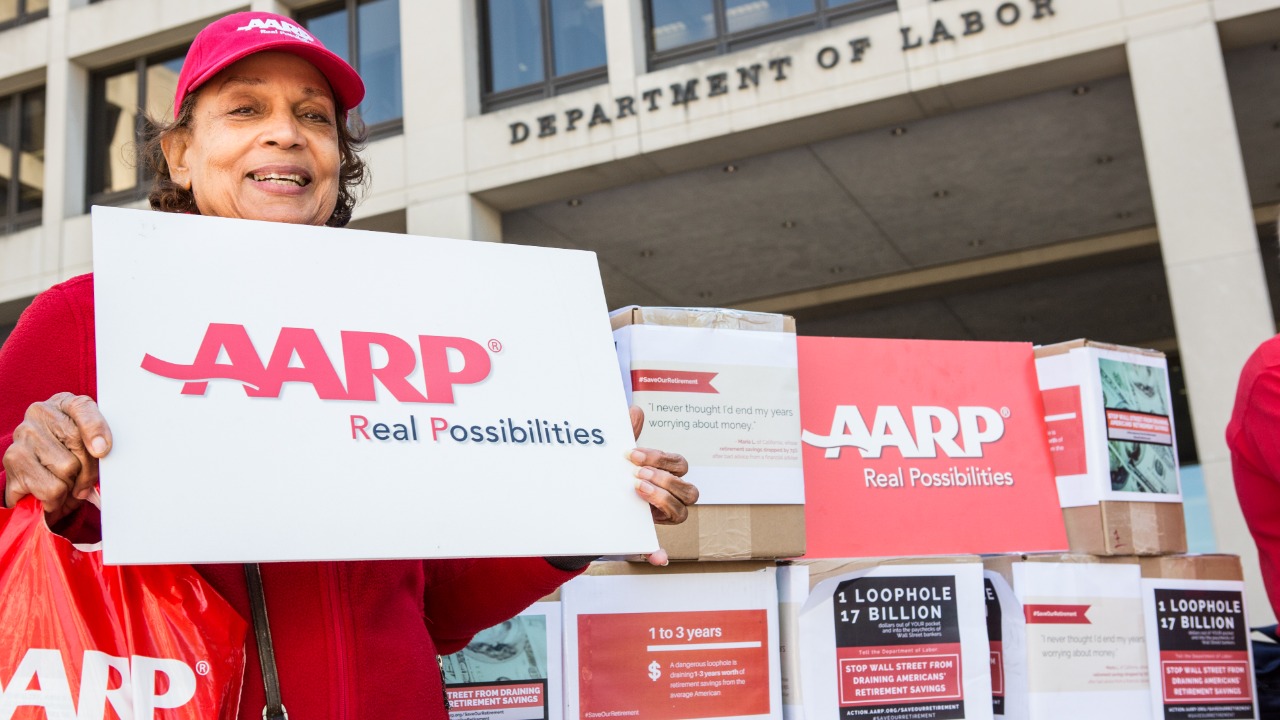
Advocacy and awareness are vital in bringing attention to the challenges faced by seniors due to the tariffs. Advocacy groups can help raise awareness about the issue and push for necessary policy changes. Organizations such as the AARP and the National Council on Aging are actively working to highlight the economic vulnerability of seniors and advocate for policies that protect their interests. These groups play a crucial role in giving a voice to seniors and ensuring their concerns are heard at the policy-making level.
Long-term strategies for economic resilience among seniors might include financial education and community support initiatives. Teaching seniors how to budget effectively, manage their resources, and access community services can help them navigate financial challenges more successfully. Some community programs offer workshops on financial literacy or provide resources for low-income seniors, creating a support network that can help alleviate financial pressures.
The Broader Economic Implications

The increased costs for seniors due to tariffs could lead to broader economic consequences. Reduced consumer spending by seniors may affect various sectors of the economy, as older adults often contribute significantly to local businesses and services. As seniors tighten their budgets, there could be less demand for goods and services, potentially impacting businesses that rely on this demographic. This ripple effect could extend to increased demand for social services, as more seniors may require assistance to cover basic needs.
The financial strain on seniors also affects their caregivers and families. Many families are already worried about the cost of living, and the added burden of supporting elderly relatives can be overwhelming. Caregivers may need to provide additional financial support, which can strain their own resources and create additional stress. This dynamic can lead to difficult family decisions and increased emotional and financial strain on all involved.
A comparison with other demographic groups reveals that tariffs also impact low-income households, though seniors face unique challenges due to their fixed incomes. An NPR study highlights how tariffs affect various low-income groups, but seniors are often less able to adapt to sudden financial changes. This comparison underscores the importance of tailored solutions that address the specific needs of older adults.
Personal Stories and Real-Life Examples

Case studies provide a human face to the issue, illustrating the real-life struggles seniors face due to tariff-induced price increases. For instance, Mary, a 78-year-old retiree, shares how her grocery bill has nearly doubled, forcing her to choose between purchasing medication or buying enough food each month. In another example, John, a veteran living on a fixed pension, explains how the increased cost of household goods has made it difficult to maintain his home, leading to deferred maintenance and further financial stress.
Testimonies from advocacy groups offer additional insights into the challenges faced by seniors. Representatives from organizations like the Elder Law Center highlight the growing number of seniors seeking legal advice on managing debts and accessing social services. These insights underscore the need for comprehensive support systems that address the multifaceted impact of tariffs on older adults.
Community responses have been crucial in supporting seniors through these challenging times. Local organizations and volunteer groups have stepped up to provide assistance, such as food banks offering nutritious groceries at reduced costs or free community dinners for seniors. These grassroots efforts demonstrate the power of community solidarity and the importance of local initiatives in alleviating financial pressures. As communities rally together, they provide a lifeline for seniors navigating the economic challenges posed by tariffs.

Julian Harrow specializes in taxation, IRS rules, and compliance strategy. His work helps readers navigate complex tax codes, deadlines, and reporting requirements while identifying opportunities for efficiency and risk reduction. At The Daily Overview, Julian breaks down tax-related topics with precision and clarity, making a traditionally dense subject easier to understand.

