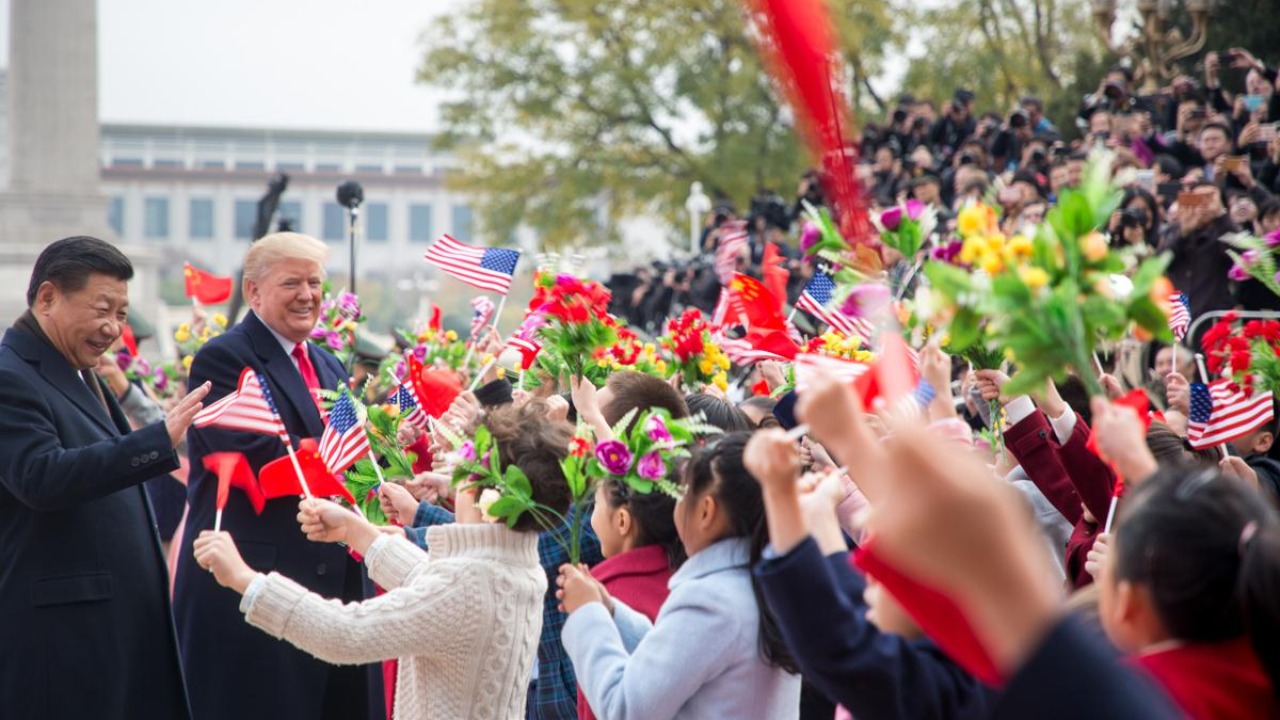
President Trump has announced an extension of the trade truce with China, buying more time to negotiate a comprehensive trade agreement. This move staves off an imminent increase in tariffs, creating a temporary reprieve for businesses on both sides that have been caught in the crossfire of the trade war. The extension is seen as a critical pause, offering both countries an opportunity to address underlying issues without the immediate pressure of escalating duties.
The Current State of the US-China Trade Relationship
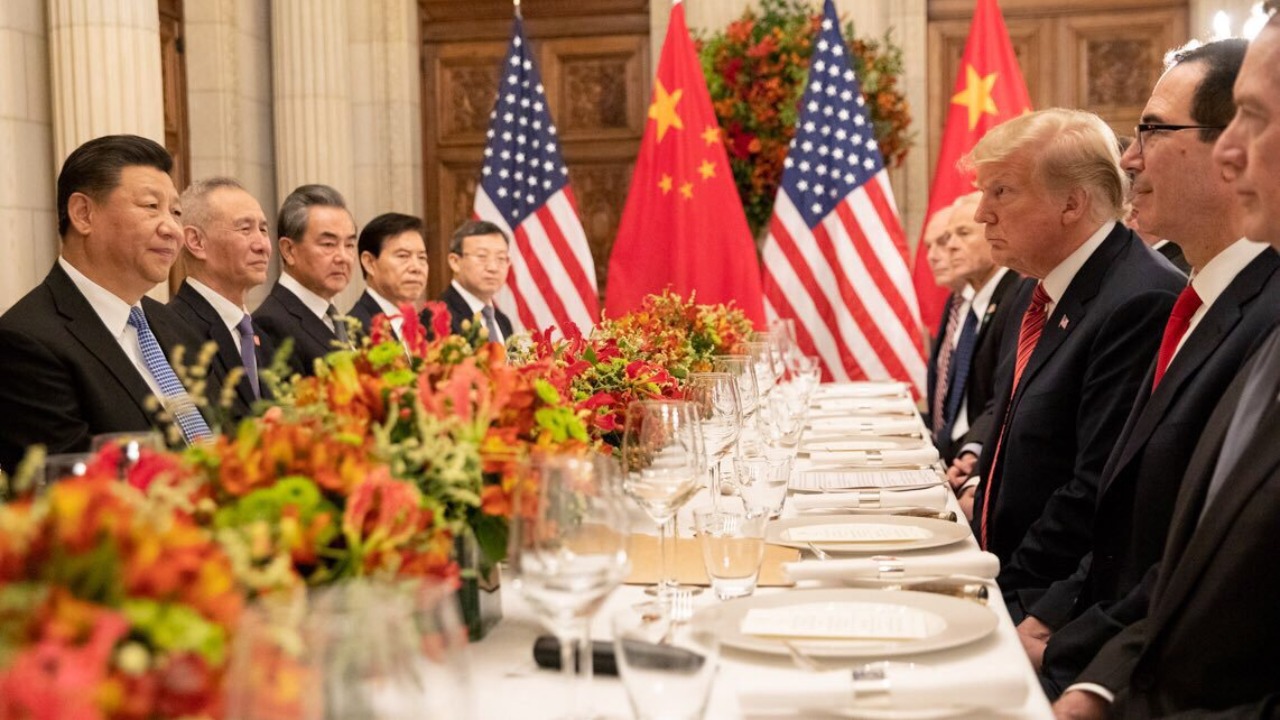
The trade tensions between the United States and China have been a defining feature of international economic relations for the past few years. The conflict began in earnest in 2018 when the US imposed tariffs on billions of dollars’ worth of Chinese goods, citing unfair trade practices and intellectual property theft. China responded in kind, leading to a tit-for-tat escalation that disrupted global supply chains and increased volatility in financial markets.
The ramifications have been felt worldwide, influencing not only the bilateral relationship but also global trade dynamics. As countries adjusted their economic policies in response to the standoff, international relations were strained, and alliances were tested. The trade war’s impact was not limited to economic indicators; it also affected geopolitical strategies, forcing nations to rethink their positions amid the US-China rivalry.
Previous attempts to negotiate a truce have seen mixed results. Several temporary agreements were reached, only to be followed by renewed tensions. These past accords, while providing short-term relief, have highlighted the complexity of the issues at hand. Each agreement has underscored the deep-rooted challenges, such as structural economic reforms and enforcement mechanisms, that remain unresolved.
Details of the New Trade Truce
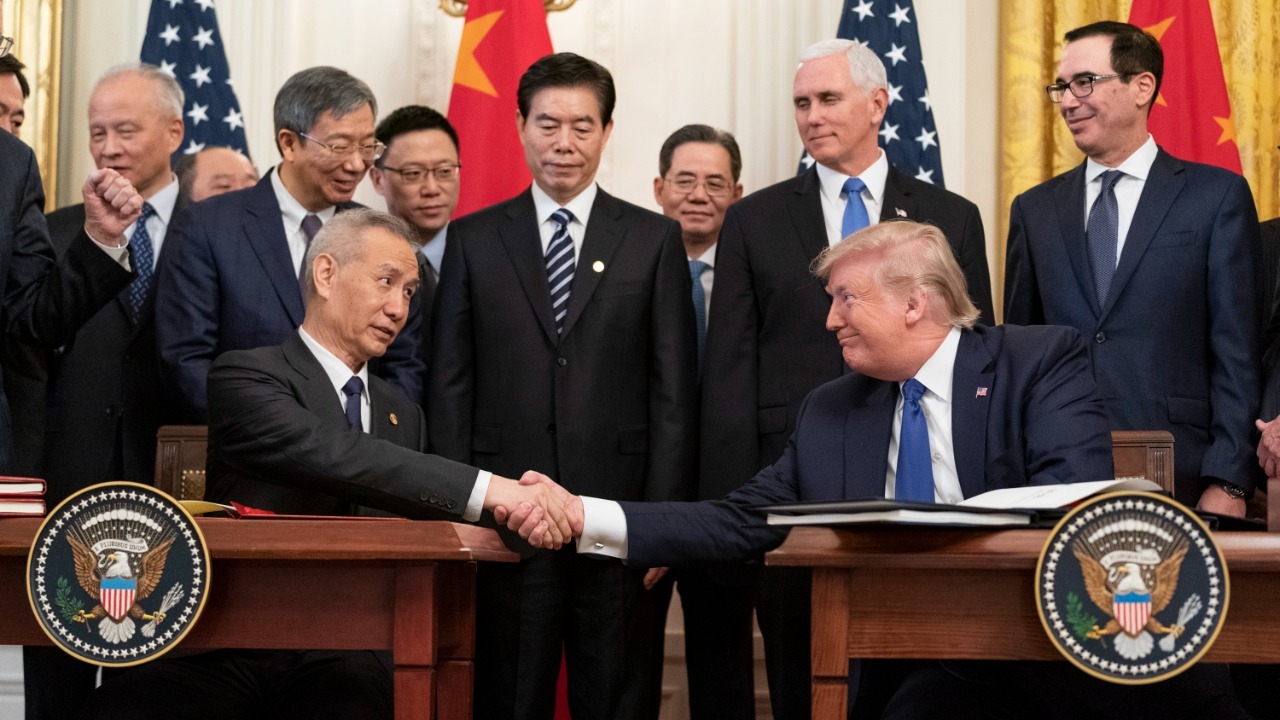
The latest extension of the trade truce spans 90 days, during which both parties will continue negotiations without the threat of increased tariffs. According to reports, the truce aims to address specific concerns, such as China’s commitments to purchase more American agricultural products and efforts to protect intellectual property rights. The extension is seen as a strategic move to prevent further economic disruption while providing a window for more comprehensive discussions.
Stakeholders have expressed a range of reactions to the extension. American businesses reliant on Chinese imports have welcomed the pause, as it offers temporary relief from cost uncertainties. Chinese companies, on the other hand, view it as an opportunity to stabilize their operations amid fluctuating demand. Economists and political analysts remain cautiously optimistic, noting that while the extension is a positive step, it does not guarantee a resolution. The underlying issues are complex and require sustained dialogue and mutual concessions.
Despite the progress, potential sticking points remain. Key issues such as technology transfer, market access, and subsidies continue to be contentious. Both sides acknowledge that these unresolved matters could derail negotiations if not addressed effectively. The extension provides a framework for dialogue, but the path to a lasting agreement is fraught with challenges.
Effects on Tariffs
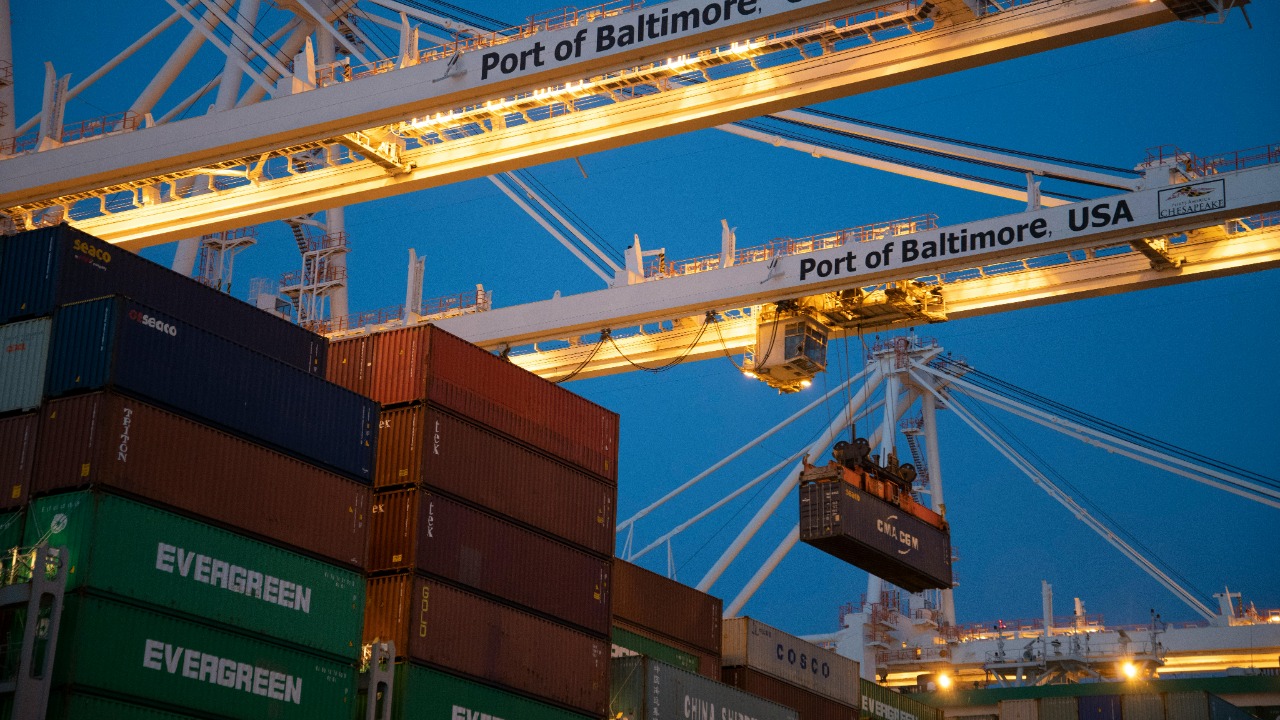
The immediate impact of the extension is the prevention of new tariffs that were set to take effect. Existing duties remain in place, but the threat of escalation is temporarily removed. This offers businesses a reprieve, allowing them to plan without the immediate fear of increased costs. However, if negotiations fail within the 90-day window, the possibility of new tariffs looms large, potentially exacerbating the economic strain on both nations.
The economic implications of the truce are significant. Industries such as technology, agriculture, and manufacturing, which have been most affected by tariffs, stand to benefit from the extension. For instance, American farmers, who have faced reduced demand from China, may see an increase in orders if the truce leads to more substantial agricultural purchases. Meanwhile, Chinese manufacturers reliant on US components could find relief from supply chain disruptions.
In the long term, the extension’s impact on future tariff policies remains uncertain. While it offers a chance for constructive dialogue, the lack of a definitive resolution means that tariff tensions could resurface. Both countries must navigate the complexities of their economic relationship, with an eye on creating a sustainable framework that addresses the core issues at play.
Geopolitical Ramifications
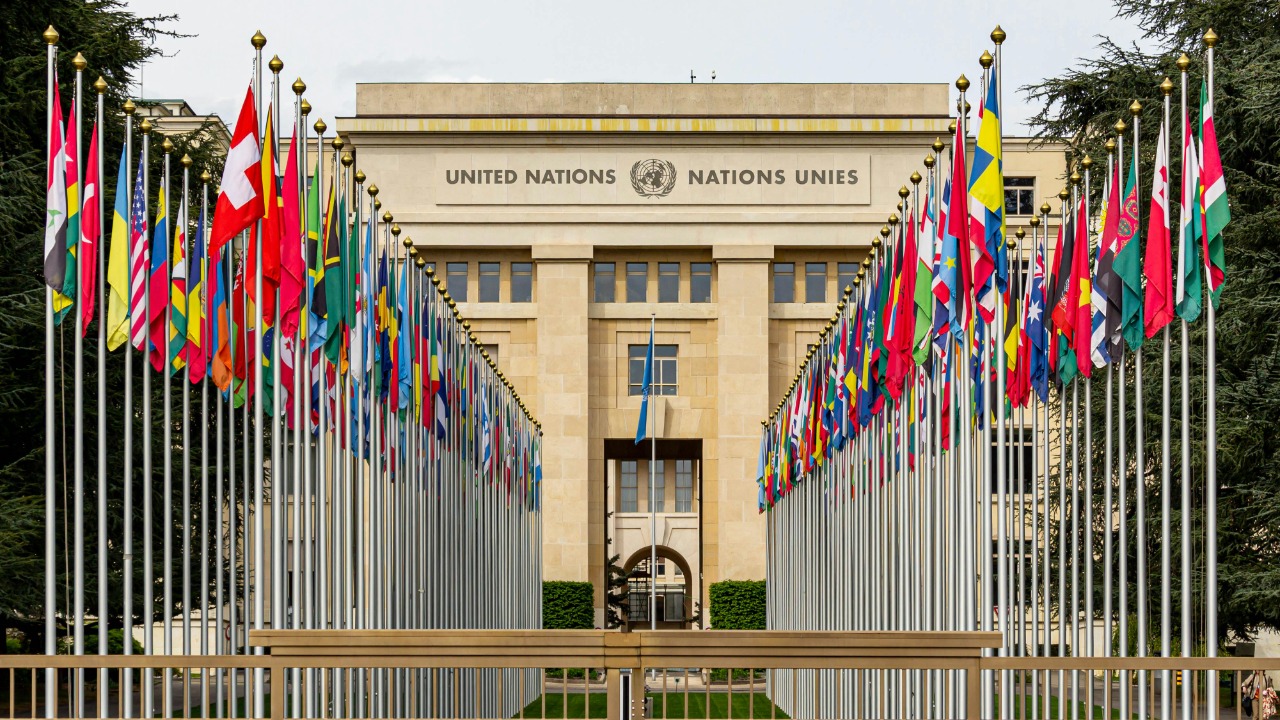
Domestically, the trade truce has implications for US political dynamics. The ongoing discussions and their outcomes could influence public opinion and play a role in upcoming elections. As voters assess the administration’s handling of the trade conflict, the truce may be viewed as a diplomatic success or a temporary fix, depending on the results of the negotiations.
China’s strategic response to the truce is equally important. The extension allows China to recalibrate its economic policies and strengthen its position in global trade. As it seeks to balance domestic growth with external pressures, China may explore new partnerships and alliances to diversify its economic dependencies and mitigate the risks of prolonged tensions with the US.
On a global scale, the extension may influence other trade relationships and alliances. Countries observing the US-China negotiations may adjust their strategies, seeking to capitalize on opportunities or mitigate risks. The truce serves as a reminder of the interconnected nature of global trade and the importance of diplomatic engagement in resolving complex economic disputes.
Future Prospects and Challenges
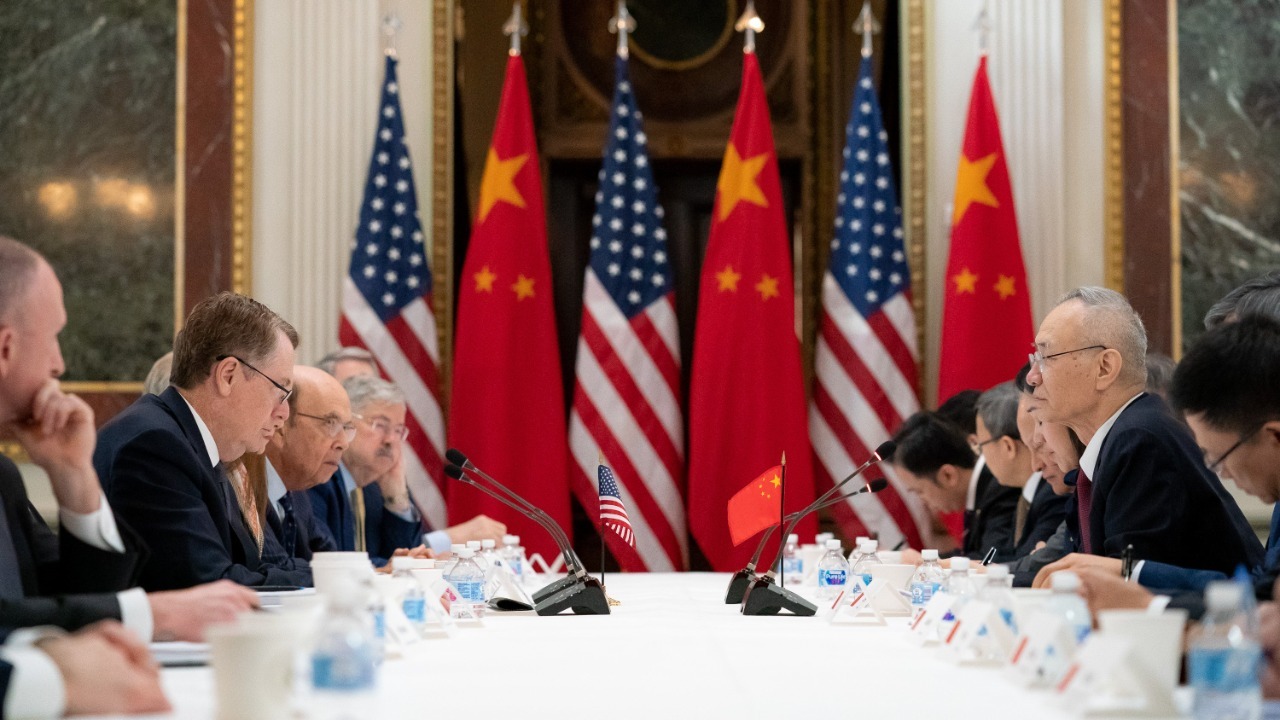
Looking ahead, the path to a comprehensive trade deal requires significant progress on several fronts. Both countries need to address core issues such as intellectual property rights, market access, and structural economic reforms. Achieving a lasting agreement will require compromise and a willingness to engage in meaningful dialogue. The challenges are substantial, but the potential benefits of a resolution are equally significant.
Risks and uncertainties remain, particularly if negotiations were to collapse. A prolonged trade conflict could have severe economic consequences, affecting not only the US and China but the global economy as a whole. The possibility of renewed tensions underscores the urgency of finding common ground and avoiding further escalation.
Despite the challenges, there are opportunities for collaboration. Areas such as technology, environmental initiatives, and infrastructure development offer avenues for cooperation. By focusing on shared interests and mutual benefits, the US and China can strengthen their economic relationship and contribute to global stability.

Grant Mercer covers market dynamics, business trends, and the economic forces driving growth across industries. His analysis connects macro movements with real-world implications for investors, entrepreneurs, and professionals. Through his work at The Daily Overview, Grant helps readers understand how markets function and where opportunities may emerge.

