President Donald Trump has pushed through the most sweeping changes to food stamps in years, tightening work rules and trimming benefits in the name of deficit reduction. Supporters say the new approach will shrink the rolls, boost employment and save taxpayers billions, while critics warn it will push vulnerable households closer to the edge. The stakes are high, because the Supplemental Nutrition Assistance program is one of the federal government’s largest safety-net commitments and a prime target in the administration’s broader budget strategy.
The new rules are built around a simple premise: adults who can work should either be employed or preparing for a job if they want to keep receiving food aid. By raising work expectations, narrowing eligibility and shifting more responsibility to states, the White House is betting that a leaner program will still protect the poorest families while easing pressure on federal spending.
How Trump’s “big, beautiful” law rewires SNAP
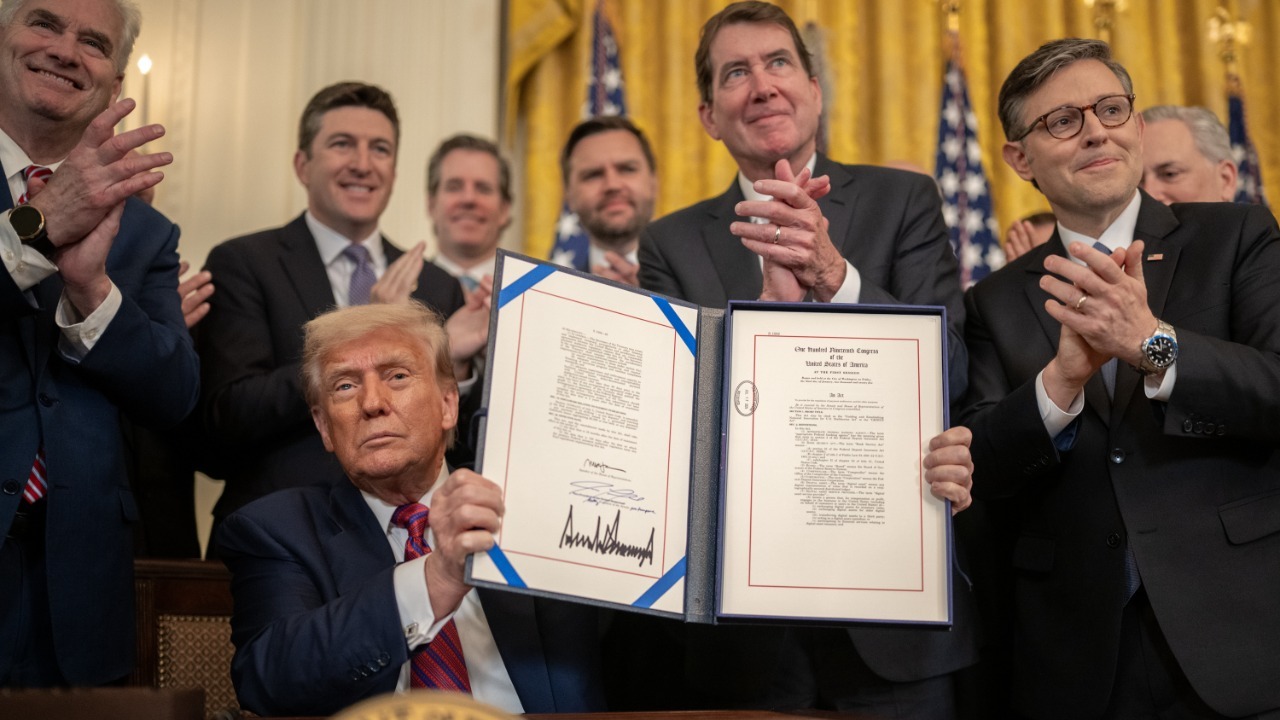
The foundation for the overhaul is a sprawling tax and spending package that President Donald Trump has repeatedly described as a “big, beautiful bill.” Earlier this year, President Donald J. Trump signed Public Law 119, the One Big Beautiful Bill Act of 2025, which rewrites large parts of the Supplemental Nutrition Assistance program and directs agencies to tighten work rules and eligibility. The law’s SNAP provisions are now moving from legislative text into concrete rules that county offices and grocery store checkout systems must enforce.
On July 4, 2025, President Donald Trump approved statutory changes that federal and state officials describe as “significant” for Supplemental Nutrition Assistance, reshaping who qualifies, how long they can stay on the program and what they must do in return for benefits. An official one-pager explains that On July 4 the law began steering more able-bodied adults into work or training, while preserving support for children, seniors and people with disabilities. In practice, that means millions of current and potential recipients are now subject to stricter screening and new reporting obligations that will determine whether they keep their monthly food budget.
The new work rules: 80 hours, higher age limits and state obligations
The centerpiece of the overhaul is a tougher work requirement that applies to a broader slice of the adult population. Under the New Trump SNAP rules, able-bodied adults without dependents must now document at least 80 hours of work, job training or approved community engagement each month, and the upper age limit for these rules has been raised to 64. The administration argues that this shift will reduce long-term dependency, align SNAP more closely with the labor market and cut down on improper payments by forcing more frequent contact between recipients and caseworkers.
These brand new work requirements are not just a bureaucratic tweak, they are a political statement about who should receive help and on what terms. In a segment breaking down the changes, commentators described how the law’s provisions “kick in” for food stamp recipients and could substantially reduce federal outlays if large numbers of adults either find jobs or leave the program. The video analysis framed Trump’s new rules as a way to trim the rolls and argued that the tougher standards could raise a culture of work among able-bodied adults who had previously cycled in and out of assistance with fewer conditions attached.
Billions in projected savings and the politics of a leaner safety net
The fiscal logic behind the crackdown is straightforward: fewer eligible adults and shorter spells on assistance translate into lower federal spending. Budget analysts cited by the administration say the combination of stricter work rules, narrower eligibility and related SNAP trims in Trump’s broader spending package will cut program costs by billions of dollars over the coming years. One breakdown of the spending bill notes that the White House’s approach to SNAP is explicitly designed to reduce outlays, with the law’s supporters highlighting that the package cuts billions in SNAP benefits as part of a larger effort to rein in domestic programs.
Supporters of the overhaul have seized on those projections to argue that the new food stamp requirements will deliver a meaningful win for taxpayers. A recent business-focused panel described how Trump’s new food stamp requirements could save taxpayers billions, framing the law as a long overdue correction to a program they see as too generous to able-bodied adults. In that discussion, analysts on The Big Money Show emphasized that the tougher standards for SNAP are expected to shrink enrollment and reduce fraud, which they argue will free up resources for other priorities without abandoning the most vulnerable households.
States, advocates and the fight over who bears the cost
While the White House touts savings, governors and anti-hunger advocates are locked in a different debate over who will shoulder the practical and political costs of the new regime. Policy experts who have examined Trump’s “big, beautiful bill” warn that the law does not simply trim federal benefits, it also shifts more responsibility to state governments to manage caseloads, verify work hours and fund employment services. One detailed analysis of the legislation explains that the package would force states to shoulder a larger share of the burden for Medicaid and SNAP, raising concerns that state budgets will be squeezed just as residents face tighter eligibility rules.
Those concerns are already surfacing in legal and political pushback. Numerous state officials and advocacy groups argue that the new SNAP framework will leave them managing deeper poverty and higher demand on food banks as federal dollars recede. One report notes that Numerous changes ordered in the act are now being enforced across the country, and that One of the most notable shifts is a stricter Able Bodied Adults Without Dependents rule that limits how long childless adults can receive benefits if they do not meet the new work thresholds. For governors in states with fragile labor markets or limited administrative capacity, that combination of tougher rules and higher expectations is already proving contentious.
Broader policy context: work, immigration and the safety net’s future
The SNAP overhaul does not exist in a vacuum, it is part of a broader Trump agenda that links tighter safety-net rules with a more restrictive approach to immigration and public benefits. The same administration that is raising work expectations for food stamp recipients is also narrowing access to the United States for foreign workers and students, arguing that both moves protect American taxpayers and job seekers. One recent update on immigration policy describes how a New U.S. Policy Restricts Interview Locations for Nonimmigrant Visas, making it harder for some applicants to secure appointments and reinforcing the message that the government is tightening the rules across multiple entry points to the American system.
In that context, the new SNAP rules look less like a one-off budget maneuver and more like a pillar of a larger philosophy that prizes work requirements, national self-reliance and stricter gatekeeping. The One Big Beautiful Bill Act of One Big Beautiful Bill Act of 2025 codifies that approach in food policy, while related moves in health care, immigration and other programs push in the same direction. Whether that strategy ultimately delivers the promised billions in savings without deepening hardship will depend on how effectively states implement the rules, how the labor market absorbs newly motivated job seekers and how Congress responds if the political backlash over lost benefits grows louder in the months ahead.
More From TheDailyOverview
- Tennessee loses $2.6B megafactory and faces major layoffs
- Retired But Want To Work? Try These 18 Jobs for Seniors That Pay Weekly
- What to do with your pennies after the U.S. stops minting them
- Home Depot CEO warns of a troubling customer trend in stores

Julian Harrow specializes in taxation, IRS rules, and compliance strategy. His work helps readers navigate complex tax codes, deadlines, and reporting requirements while identifying opportunities for efficiency and risk reduction. At The Daily Overview, Julian breaks down tax-related topics with precision and clarity, making a traditionally dense subject easier to understand.

