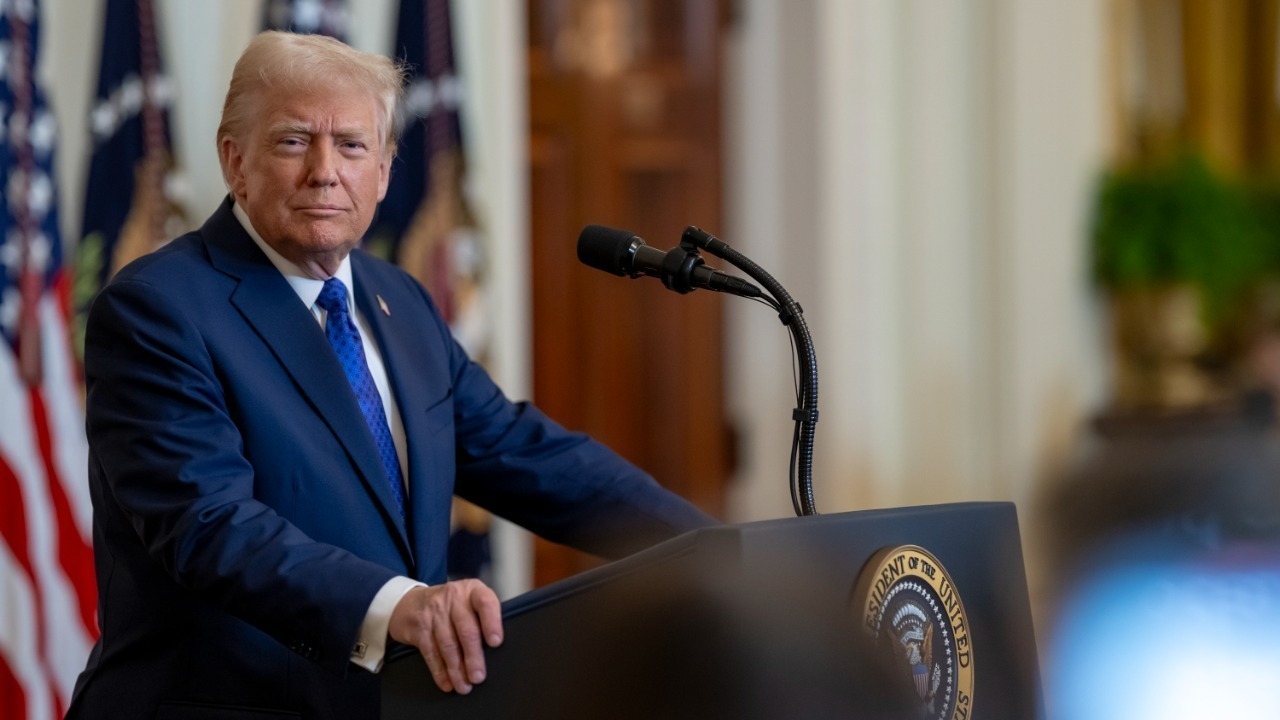
President Donald Trump has pursued various workarounds to fund government operations amid a partial shutdown, but these maneuvers face significant legal vulnerabilities that could unravel quickly. Legal experts warn that such tactics risk violating congressional appropriations authority, potentially leading to court battles or forced reversals. As of October 25, 2025, fresh analysis highlights how these strategies hinge on interpretations of executive power that courts have historically scrutinized and limited.
Background on the Current Shutdown
The current government shutdown began after key congressional negotiations stalled over funding disputes for border security and disaster relief. These disagreements have set the stage for President Trump’s executive interventions. The impasse has resulted in immediate impacts on federal agencies, with significant furloughs at the Departments of Homeland Security and Housing and Urban Development. These disruptions underscore the urgency driving Trump’s actions to maintain government operations.
This shutdown differs from previous ones under Trump’s administration, particularly the 2018-2019 shutdown, due to the heightened pressures of the recent midterm elections. The political landscape has shifted, with increased stakes for both parties. The current situation escalates tensions, as the administration seeks to navigate the complex interplay of legislative and executive powers.
Trump’s Key Funding Workarounds
One of the primary strategies employed by President Trump involves the reprogramming of funds from the Department of Defense’s budget to cover wall construction. This tactic echoes past emergency declarations, but it has now been extended to broader operations. The use of executive orders to redirect unobligated funds from pandemic-era relief programs is another significant maneuver. This approach shifts money without requiring new appropriations, raising questions about the limits of executive authority.
Additionally, the involvement of acting agency heads in approving these transfers illustrates the administration’s reliance on temporary appointees to bypass Senate confirmations. This reliance on acting officials highlights a strategic move to expedite decisions that might otherwise face prolonged scrutiny. The legal implications of these actions remain a contentious issue, with potential challenges looming on the horizon.
Legal Vulnerabilities and Expert Critiques
The potential violations of the Impoundment Control Act are a central concern, as withholding or repurposing congressionally approved funds could trigger lawsuits from Democrats in Congress. Legal experts point to the risks associated with these actions, emphasizing the importance of adhering to established legislative processes. The 2020 Supreme Court ruling on Trump’s wall funding, which allowed the diversion of funds to proceed during ongoing litigation, serves as a critical precedent. This decision underscores the complex legal landscape surrounding executive actions and highlights the potential for judicial scrutiny.
Constitutional scholars argue that these workarounds overstep the separation of powers, with recent filings by advocacy groups amplifying the risks. The legal challenges posed by these maneuvers could lead to significant court battles, potentially resulting in injunctions or reversals. The stakes are high, as the administration navigates the delicate balance between executive authority and congressional oversight.
Stakeholder Reactions and Potential Fallout
Reactions from Republican allies in Congress have been mixed, with some expressing support for the workarounds while others fear electoral backlash in upcoming votes. The political ramifications of these actions are significant, as lawmakers weigh the potential consequences for their constituencies. Democratic-led challenges are also underway, with planned injunctions in federal courts in Washington, D.C., that could halt funding flows within weeks.
The impacts on affected communities are profound, with delayed FEMA aid in hurricane-hit states illustrating the real-world consequences of legal uncertainties. These delays prolong shutdown hardships for workers and programs, highlighting the critical need for resolution. As the situation unfolds, the administration faces mounting pressure to address the legal and political challenges associated with its funding strategies.
For more detailed analysis, visit Axios.
More From TheDailyOverview
- Dave Ramsey warns to stop 401(k) contributions
- 11 night jobs you can do from home (not exciting but steady)
- Small U.S. cities ready to boom next
- 19 things boomers should never sell no matter what

Julian Harrow specializes in taxation, IRS rules, and compliance strategy. His work helps readers navigate complex tax codes, deadlines, and reporting requirements while identifying opportunities for efficiency and risk reduction. At The Daily Overview, Julian breaks down tax-related topics with precision and clarity, making a traditionally dense subject easier to understand.

