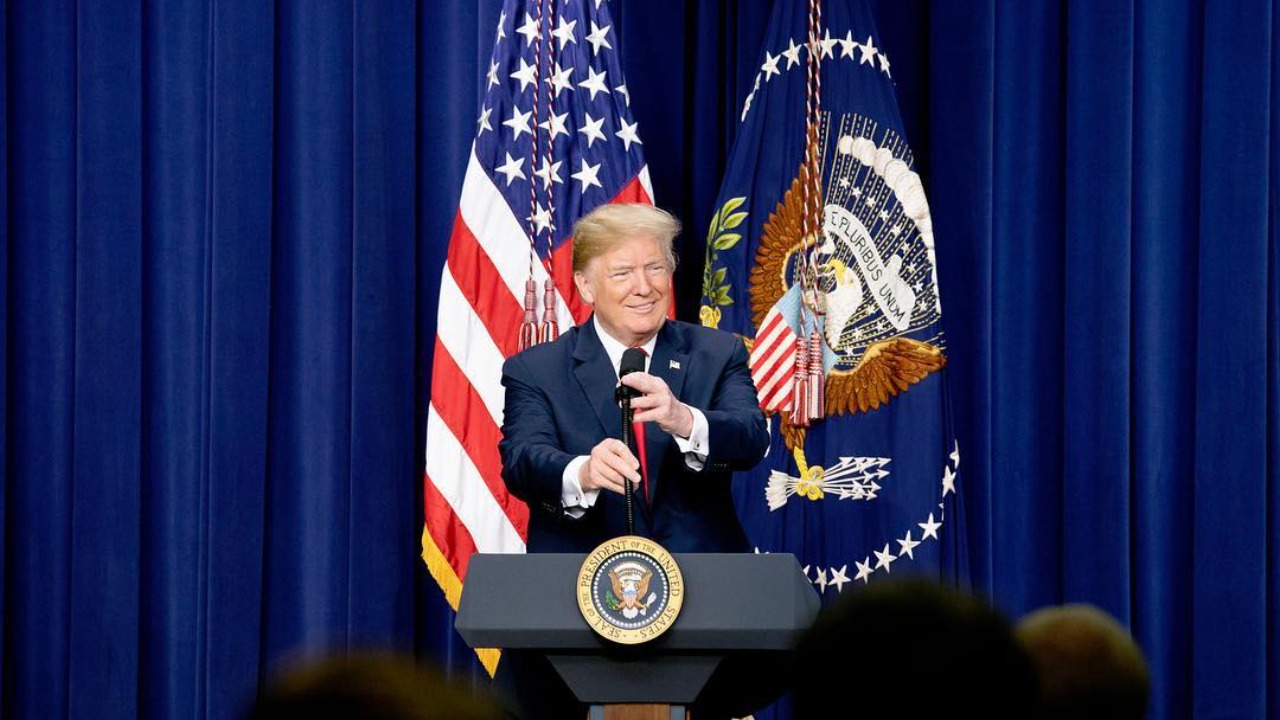
A recent decision by a federal appeals court has cast doubt on the future of the tariff powers exercised by President Donald Trump. The court’s skepticism over the legal foundations of these tariffs could significantly alter U.S. trade policy and its global economic relations.
Legal Foundations of Trump’s Tariff Authority
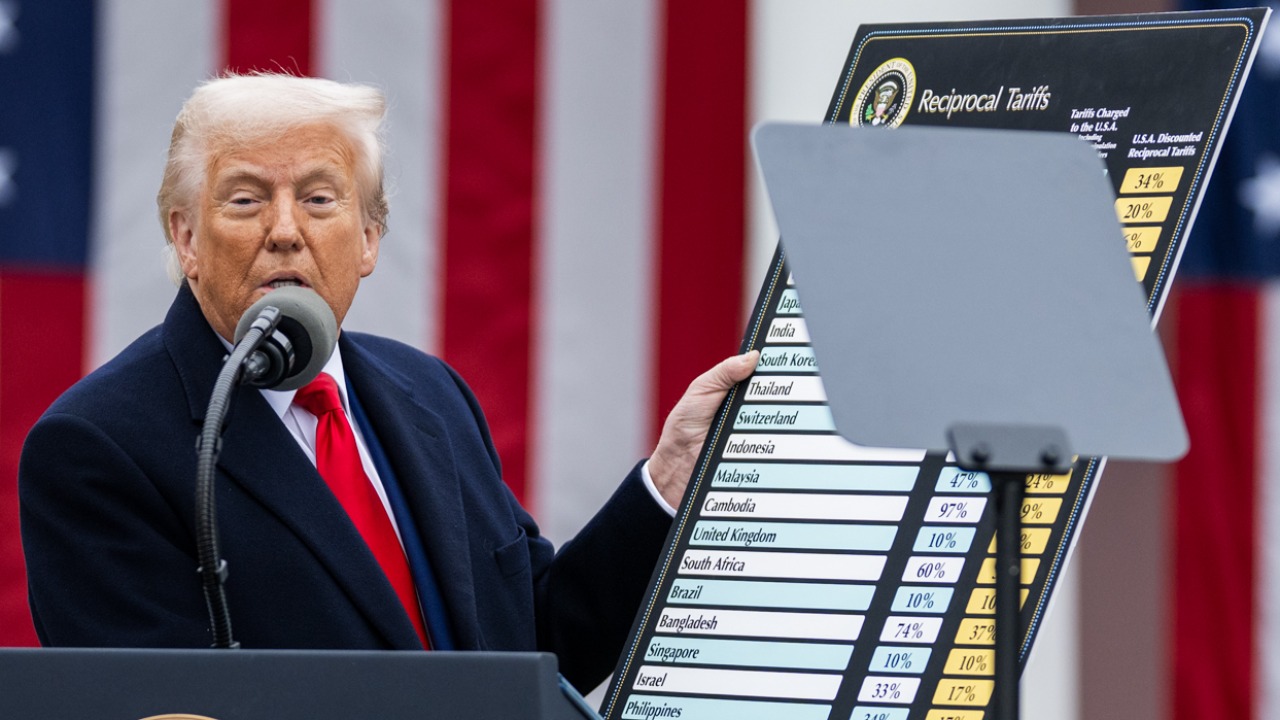
The authority that enabled President Trump to impose tariffs largely stems from historical legislation, including the Trade Expansion Act of 1962 and the International Emergency Economic Powers Act (IEEPA). These laws were designed to give the executive branch flexibility in responding to international economic threats and protecting U.S. industries. Over the years, they have been interpreted to permit significant executive leeway in imposing trade barriers, especially when national security is cited as a rationale.
Judicial challenges to this authority are not new.
Historically, courts have often deferred to the executive branch in matters of national security. However, there have been instances where courts have scrutinized the extent of presidential powers. Notable cases, such as the challenge to the steel tariffs imposed in the early 2000s, illustrate the judiciary’s role in setting boundaries. These precedents set the stage for current legal deliberations, which could redefine the permissible scope of such executive actions.
Appeals Court Skepticism

The recent skepticism expressed by a federal appeals court raises significant legal and constitutional questions. The court has specifically questioned whether the broad delegation of tariff authority to the president aligns with constitutional requirements. Factors like the lack of clear criteria for what constitutes a national security threat have led the court to scrutinize the legal basis of such executive decisions.
This skepticism could have profound implications for future presidential actions. If the courts were to limit the executive’s tariff authority, it could necessitate a reassessment of the balance of power between the legislative and executive branches. Such a shift might lead to increased Congressional oversight or even legislative reforms aimed at clarifying the scope of presidential tariff powers.
Potential Impact on U.S. Trade Policy
Limiting presidential tariff authority could have widespread economic consequences. U.S. industries that rely on protectionist measures might face increased competition from foreign products, potentially affecting sectors ranging from steel to agriculture. Consumers might benefit from reduced prices on imported goods, but domestic producers could struggle with decreased market protection.
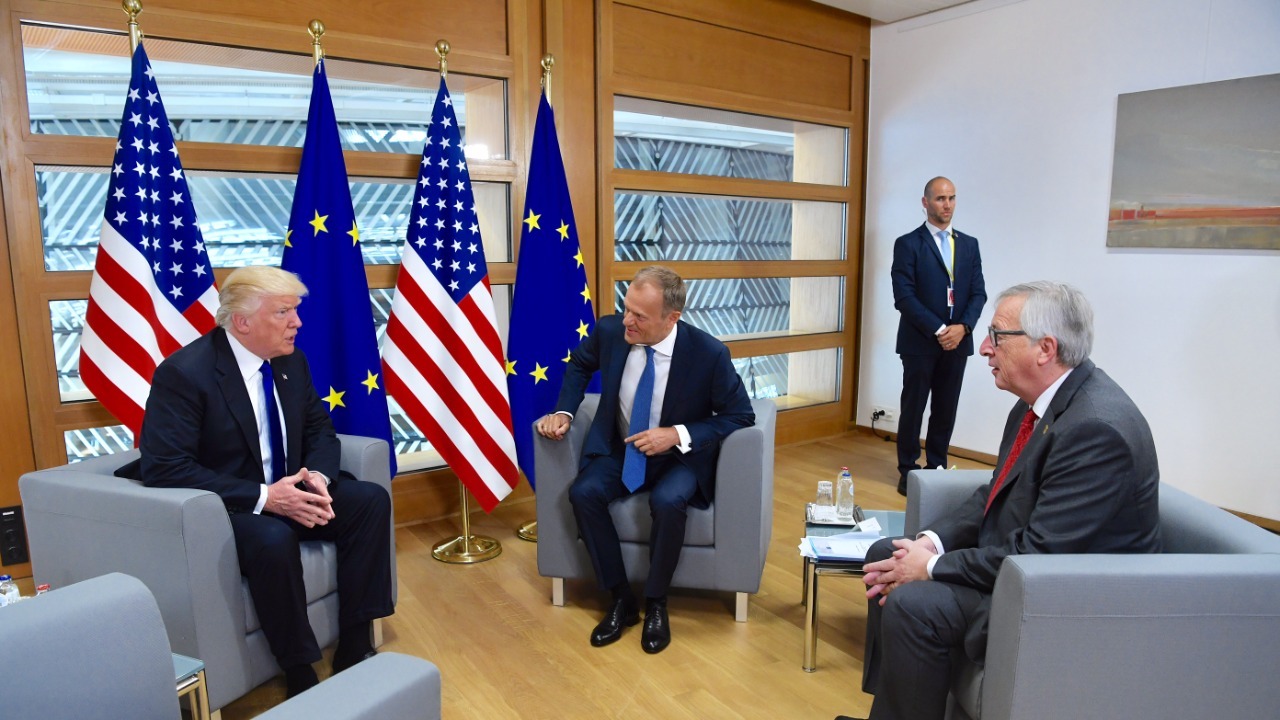
Globally, this legal uncertainty could alter the U.S.’s standing with its trading partners. Countries like China and members of the European Union might view this as an opportunity to renegotiate trade terms. Moreover, international trade organizations such as the WTO could see shifts in U.S. engagement, potentially leading to a recalibration of global trade norms and practices.
Political and Legal Ramifications
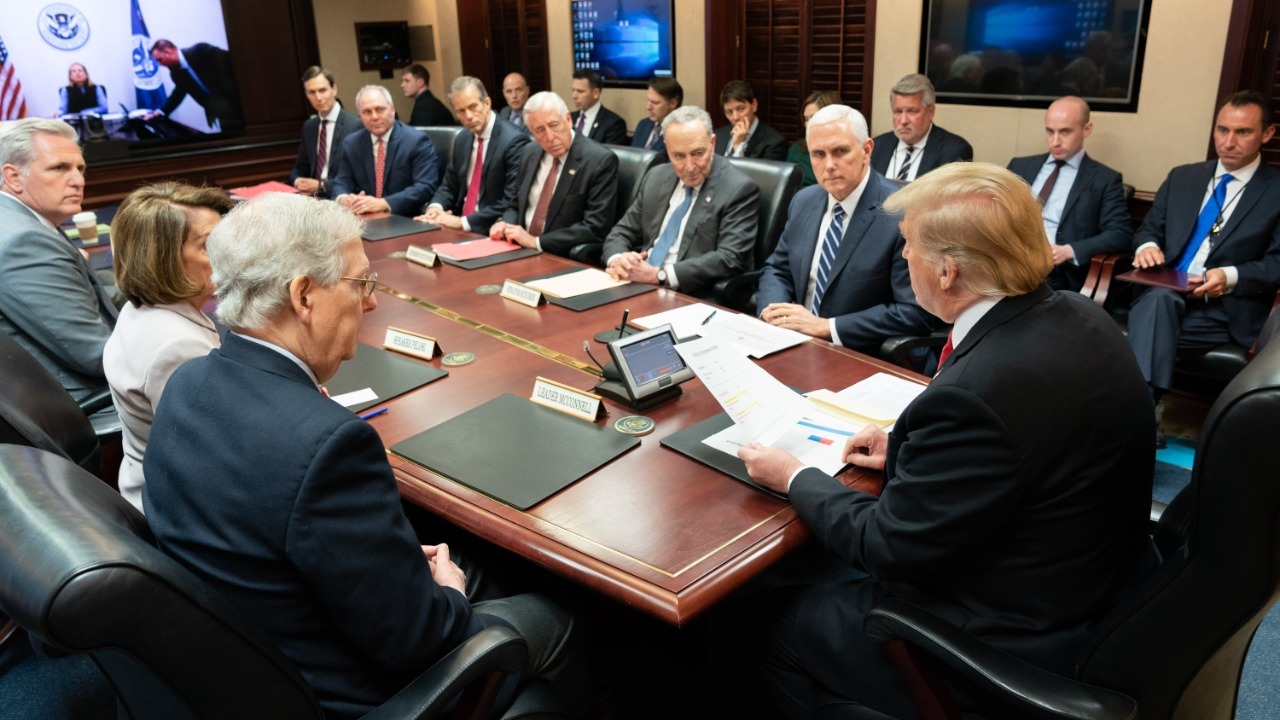
In response to the court’s decision, Congress might explore legislative actions to either reinforce or limit presidential tariff authority. This could involve amending existing laws to clarify the conditions under which tariffs can be imposed or instituting new checks and balances to ensure greater oversight. Such legislative efforts would reflect broader concerns about the concentration of power within the executive branch and its implications for democratic governance.
The broader implications of this legal challenge extend beyond trade policy. It raises questions about the scope of executive power in various domains, potentially prompting judicial and legislative scrutiny of other areas where presidential authority has expanded. This could lead to a recalibration of the balance of power between the branches of government, ensuring that executive actions remain accountable and within the bounds set by the Constitution.

Julian Harrow specializes in taxation, IRS rules, and compliance strategy. His work helps readers navigate complex tax codes, deadlines, and reporting requirements while identifying opportunities for efficiency and risk reduction. At The Daily Overview, Julian breaks down tax-related topics with precision and clarity, making a traditionally dense subject easier to understand.

