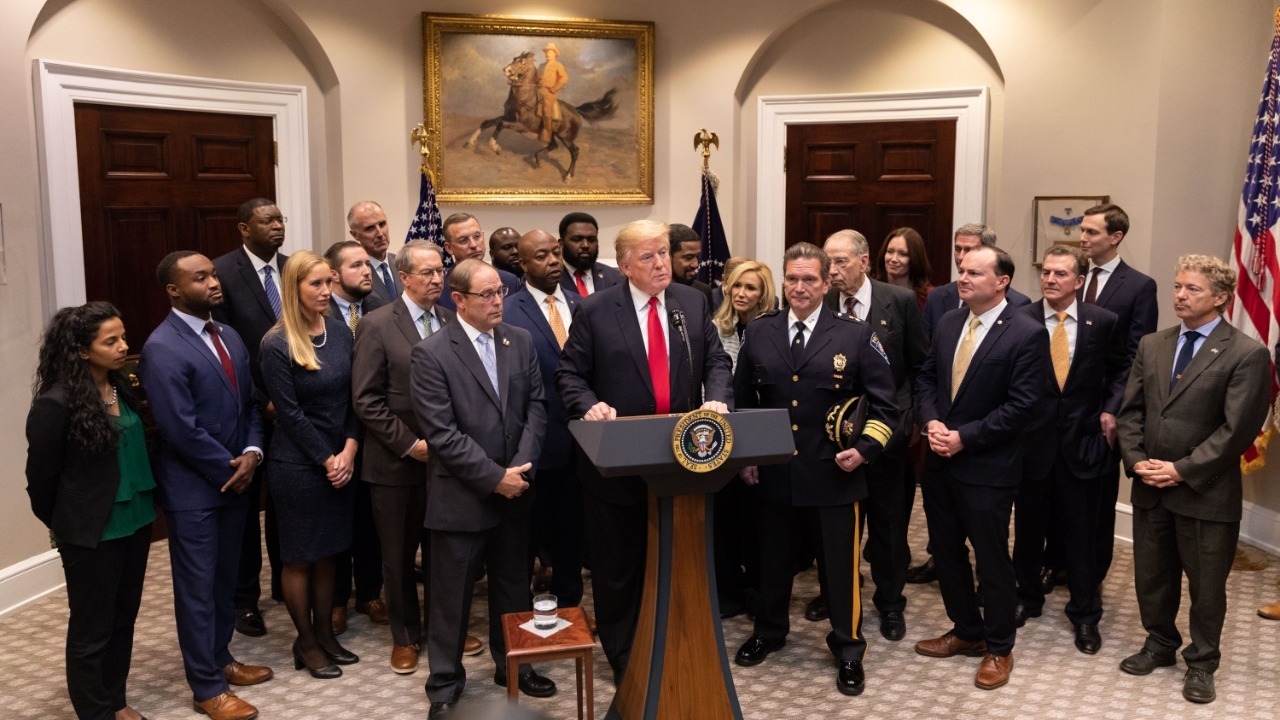
Despite widespread predictions of economic turmoil due to the imposition of tariffs under President Trump’s administration, the U.S. economy has shown resilience, with steady inflation rates and a robust stock market. The factors contributing to this unexpected economic stability are multifaceted, challenging the expectations of many economic experts. This raises the question: Is President Trump defying the expectations of economic experts?
The Impact of Tariffs on Key Economic Indicators

When President Trump first implemented tariffs, many experts anticipated a significant slowdown in GDP growth. However, an analysis of quarterly GDP data reveals a different story. The U.S. economy has continued to expand, albeit at a moderate pace. This growth suggests that the anticipated economic contraction due to tariffs has not materialized as expected. The resilience of GDP growth can be attributed to several factors, including strong domestic demand and a robust service sector.
Employment statistics further support the notion that the economy has not been severely impacted by tariffs. The labor market has remained healthy, with unemployment rates hovering near historic lows. Wage growth, although modest, has been consistent, indicating that the imposition of tariffs has not significantly disrupted the labor market. This stability in employment and wages has helped maintain consumer confidence, which is crucial for sustaining economic growth.
Consumer spending trends also provide insights into the impact of tariffs. Despite the potential for increased prices on imported goods, consumer expenditure has remained robust. This resilience in spending suggests that consumers have either absorbed the higher costs or shifted their spending to domestically produced goods. The steady consumer confidence and expenditure levels have been pivotal in supporting the overall economic stability.
Inflation: Defying Predictions
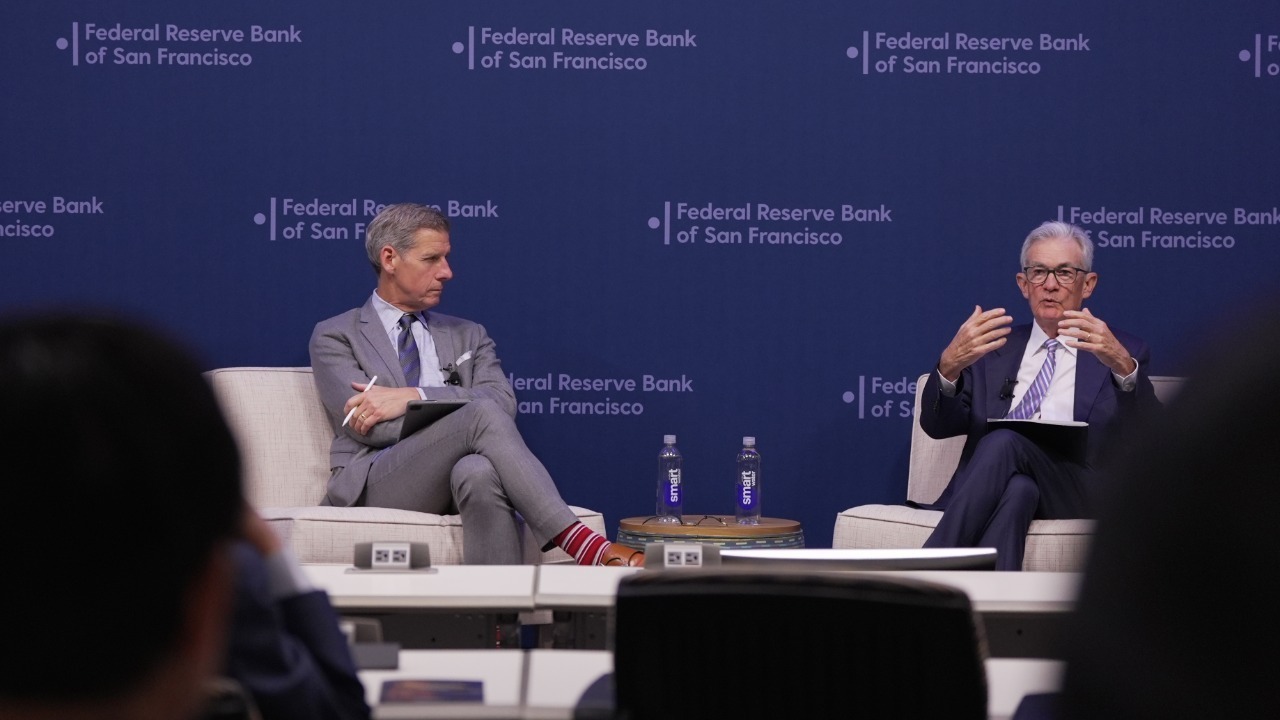
One of the most surprising aspects of the current economic climate is the steady inflation rate, which has defied many predictions. Core inflation metrics have remained stable, indicating that the tariffs have not led to the expected surge in prices. This stability can be attributed to several factors, including the Federal Reserve’s proactive monetary policy responses. By adjusting interest rates and utilizing other monetary tools, the Federal Reserve has managed to keep inflation expectations in check.
Comparing current inflation trends with historical data provides additional context. In previous instances of trade disruptions, inflation rates have often spiked. However, the current scenario is different, suggesting that the economy has adapted to the new trade environment more effectively than anticipated. This adaptation has been crucial in maintaining price stability, even in the face of significant trade barriers.
Moreover, the Federal Reserve’s actions have played a critical role in managing inflation. By carefully monitoring economic indicators and adjusting monetary policy accordingly, the Federal Reserve has ensured that inflation remains within target ranges. This proactive approach has been instrumental in preventing the kind of inflationary pressures that many experts feared would result from the tariffs.
Stock Market Resilience

The stock market’s performance has been another area where expectations have been defied. Despite the imposition of tariffs, major stock indices have shown remarkable resilience. In fact, stocks have reached record highs, a development that has puzzled many observers. The strong performance of the stock market can be attributed to several factors, including robust corporate earnings and positive investor sentiment.
Businesses have adapted to the new trade environment by optimizing their supply chains and finding new markets for their products. This adaptability has been reflected in strong corporate earnings, which have, in turn, bolstered investor confidence. The resilience of the stock market suggests that investors are optimistic about the long-term prospects of the U.S. economy, despite the challenges posed by tariffs.
Sector-specific analysis reveals that some industries have thrived under the tariff regime, while others have struggled. For instance, domestic manufacturers have benefited from reduced competition from foreign imports, leading to increased market share and profitability. On the other hand, industries heavily reliant on imported components have faced challenges, highlighting the uneven impact of tariffs across different sectors.
Factors Contributing to Economic Stability
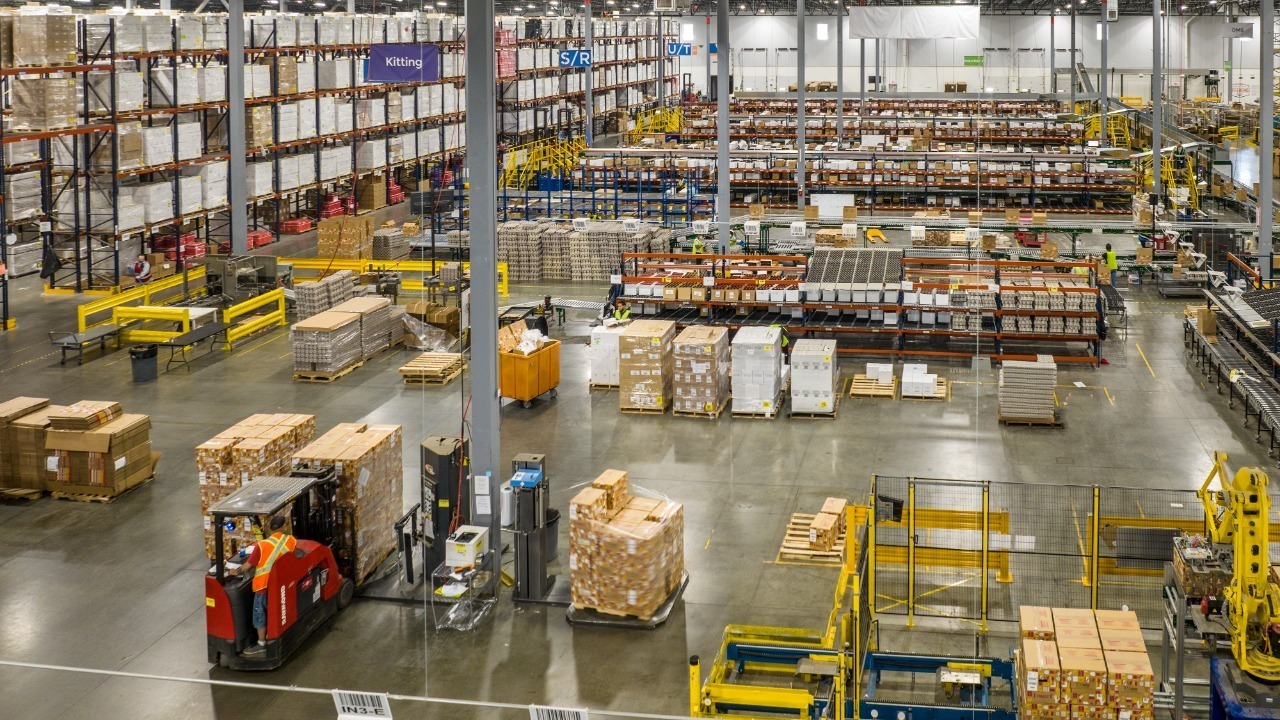
Several factors have contributed to the unexpected economic stability in the face of tariffs. One key factor is the adjustment of domestic production and supply chains. U.S. companies have adapted to the new trade environment by sourcing materials domestically and optimizing their production processes. These adjustments have helped mitigate the impact of tariffs on production costs and consumer prices.
Fiscal policy has also played a significant role in sustaining economic growth. Tax reforms and increased government spending have provided a boost to the economy, offsetting some of the negative impacts of tariffs. These fiscal measures have supported consumer spending and business investment, contributing to the overall resilience of the economy.
Global economic conditions have also influenced the U.S. economy’s performance. Despite trade tensions, the global economy has remained relatively stable, providing a supportive backdrop for U.S. economic growth. This stability has helped maintain demand for U.S. exports, further supporting economic expansion.
Reevaluating Expert Predictions
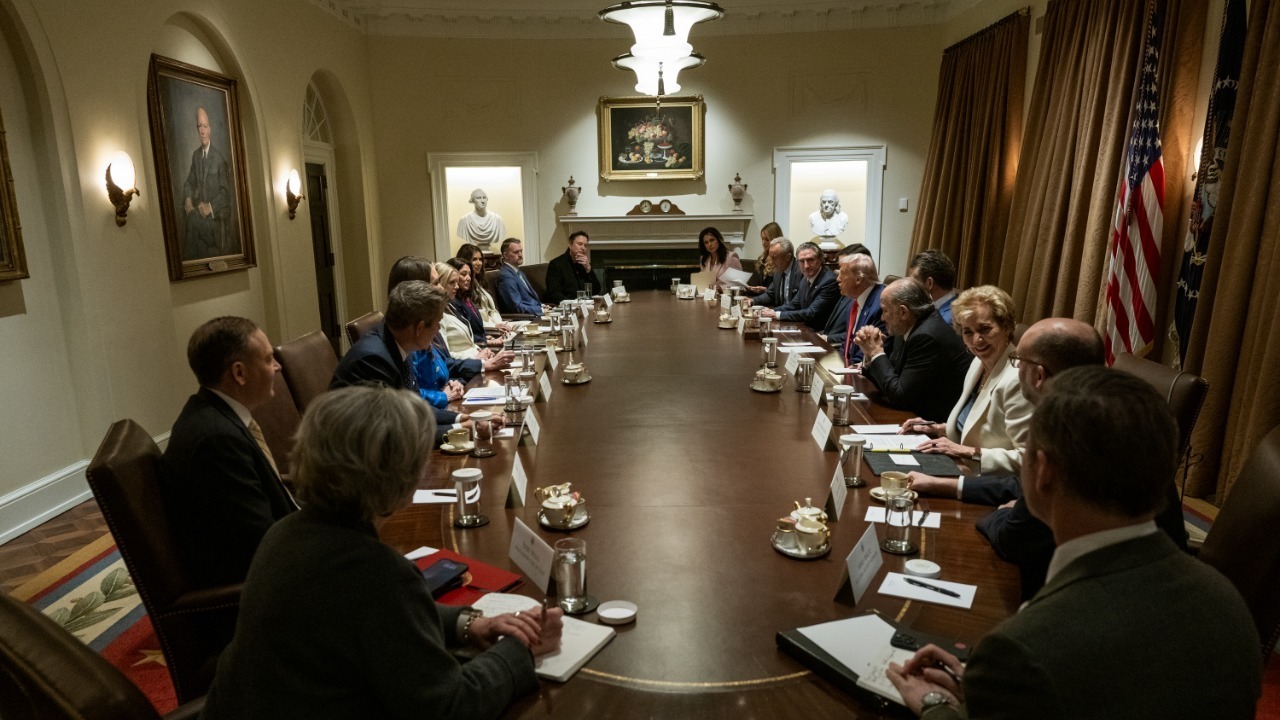
The divergence between expert predictions and actual economic outcomes raises important questions about the accuracy of economic forecasts. Many initial forecasts were based on models that may not have fully accounted for the adaptability of businesses and consumers. As a result, these models may have overestimated the negative impact of tariffs on the economy.
Lessons learned from this experience can inform future policy analysis. Economists and policymakers must consider a broader range of factors when predicting economic outcomes in complex trade environments. This includes accounting for the adaptability of businesses, the role of fiscal and monetary policy, and the influence of global economic conditions.
The political and economic implications of challenging conventional wisdom are significant. By defying expert predictions, the current economic scenario highlights the importance of flexibility and adaptability in economic policy. This experience underscores the need for policymakers to remain open to new approaches and to continuously reassess their assumptions in light of changing economic realities.
For further insights, explore the full article on MSN, and consider the analysis provided by NPR and The New York Times for a broader perspective on the economic implications of tariffs.

Grant Mercer covers market dynamics, business trends, and the economic forces driving growth across industries. His analysis connects macro movements with real-world implications for investors, entrepreneurs, and professionals. Through his work at The Daily Overview, Grant helps readers understand how markets function and where opportunities may emerge.

