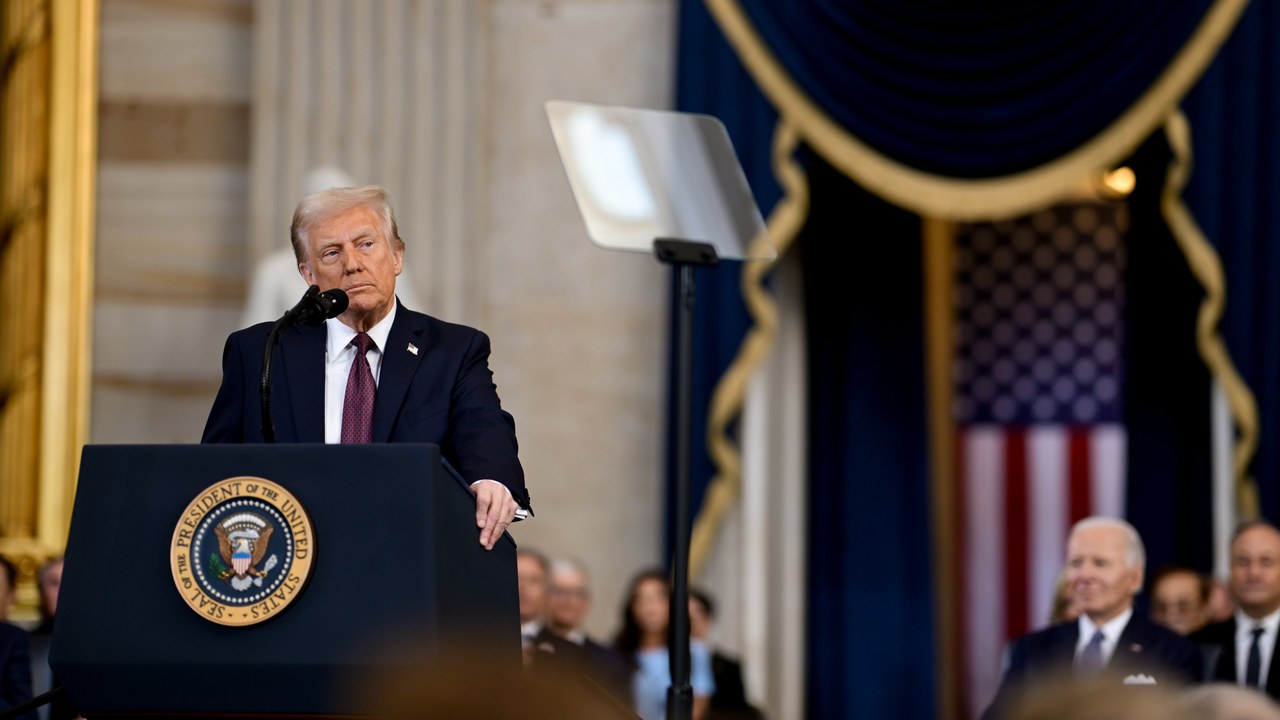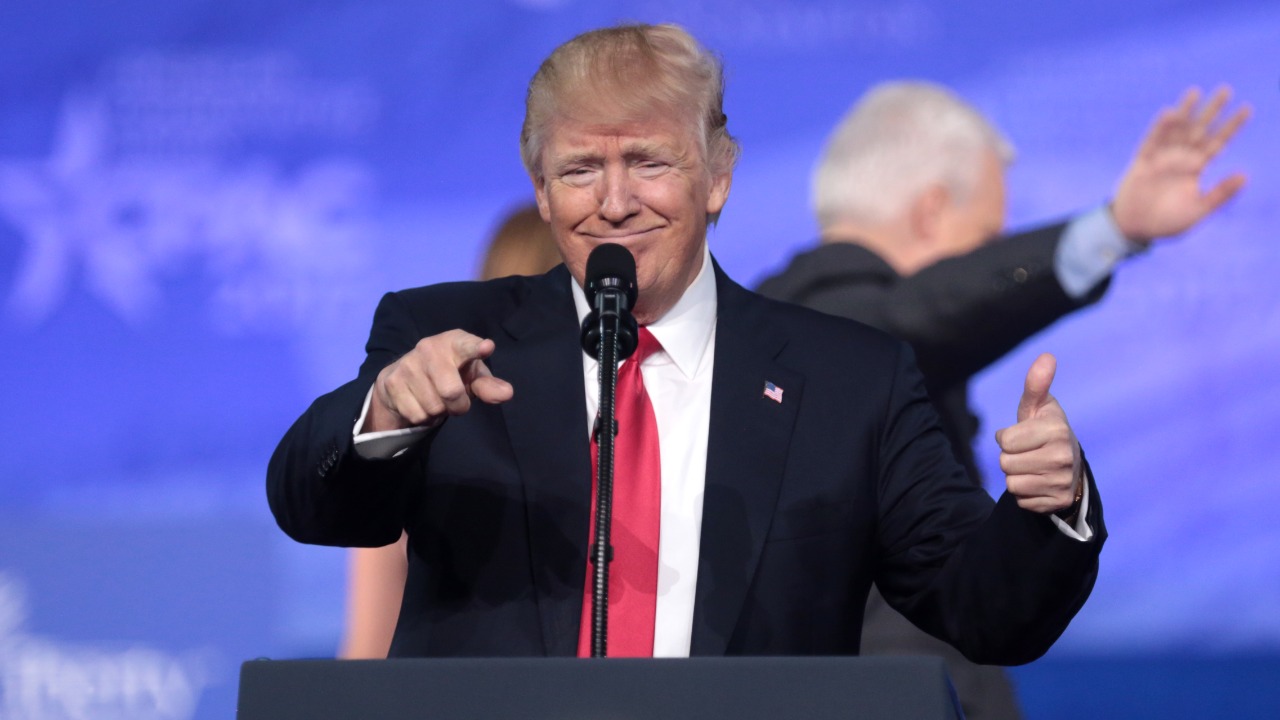
The imposition of tariffs by the Trump administration has dealt a significant blow to Japanese automakers, Toyota and Honda, affecting their financial forecasts and market strategies. As these companies navigate the challenging landscape of increased costs and shifting global trade policies, the repercussions are felt across both the U.S. and Japanese economies.
Impact of Tariffs on Toyota and Honda

The financial performance of both Toyota and Honda has been notably impacted by the tariffs. With rising costs, these automakers have had to revise their profit forecasts, leading to significant revenue declines. Toyota, for instance, has warned of a potential $9.5 billion tariff hit, which has forced the company to slash its annual profit forecast. This financial strain has made it difficult for both companies to maintain their robust financial health, casting uncertainty on future profitability. You can read more about their financial challenges in this Reuters article.
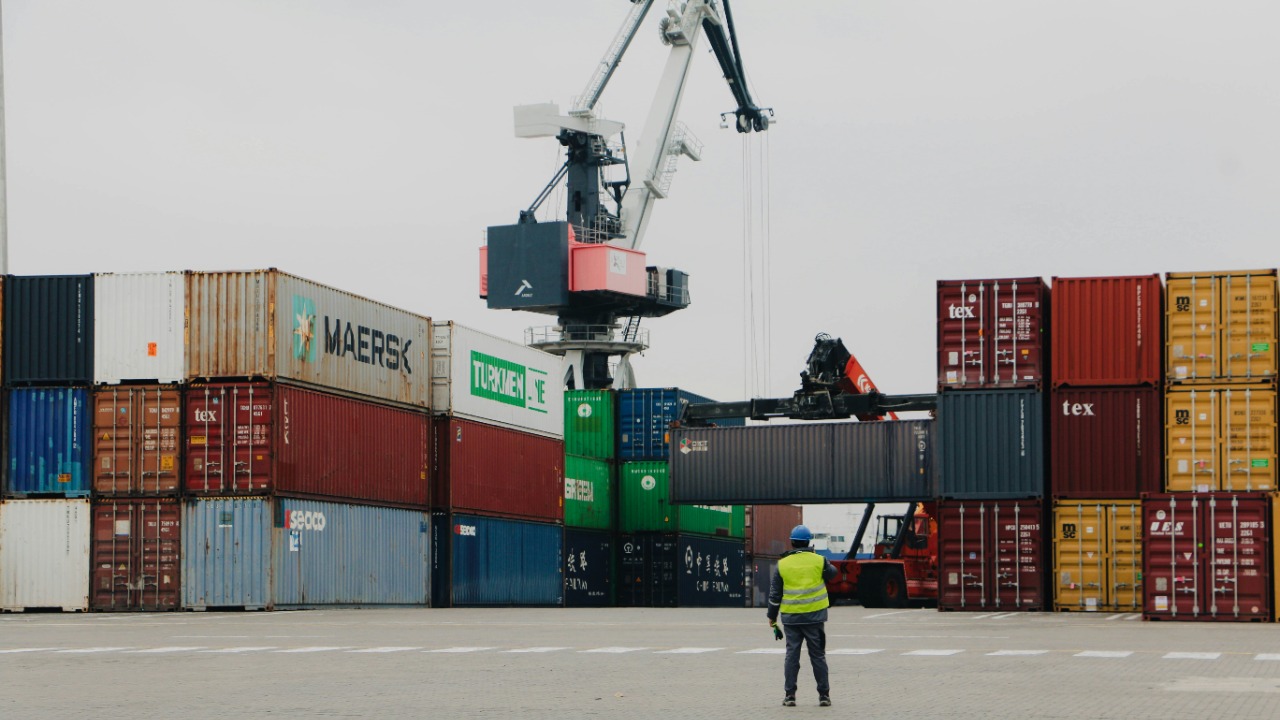
Beyond financial metrics, the tariffs have created significant disruptions in the supply chain operations of Toyota and Honda. The increased costs and complexities in importing parts have led to production delays and elevated manufacturing expenses. This has particularly affected models manufactured in the U.S. with parts sourced globally. The supply chain setbacks have not only increased operational costs but also slowed down the production timelines, impacting the availability of new models in the market.
Market share and competitiveness have also taken a hit due to these tariffs. Both Toyota and Honda have seen their competitive positioning in the global automotive market weaken as they grapple with these challenges. With increased vehicle prices, their competitiveness against domestic manufacturers in the U.S. market has diminished, potentially leading to a loss in market share. The long-term effects of these tariffs on their global strategies remain a concern for stakeholders.
Economic Implications for Japan and the U.S.
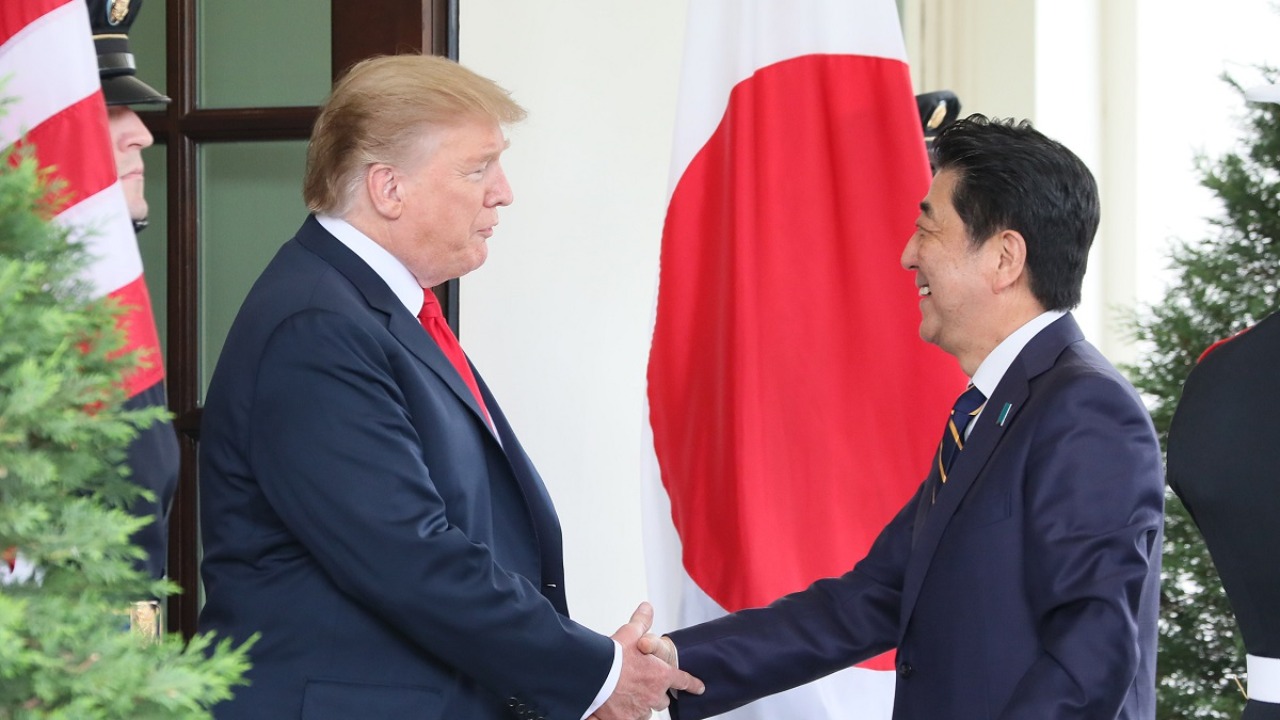
The tariffs have broader economic implications, particularly for Japan. As major contributors to Japan’s GDP, the struggles faced by Toyota and Honda could have ripple effects across the Japanese economy. According to a detailed report by Bloomberg, the automotive sector’s downturn could potentially lead to shifts in Japan’s trade policy as the government seeks to mitigate these adverse impacts.
In the U.S., the tariffs have had a mixed impact on the automotive industry. While domestic manufacturers might see some short-term benefits from reduced competition, consumers face higher prices due to increased production costs. This has led to a complex dynamic where the U.S. automotive market is experiencing shifts in consumer behavior and preferences. The longer-term implications for the industry could include a reevaluation of production strategies and a push for more localized manufacturing.
The bilateral trade relations between Japan and the U.S. are also under strain due to the tariffs. As both countries navigate this challenging landscape, there is an ongoing need for negotiation and potential conflict resolution. The long-term implications of these tariffs could lead to a reevaluation of trade agreements and a search for more stable economic partnerships moving forward. For a deeper understanding of these dynamics, you can refer to the Academic Commons report.
Strategic Responses by Toyota and Honda

In response to the tariffs, both Toyota and Honda have embarked on strategic initiatives to mitigate their impact. Diversification of supply chains has been a key strategy, with these companies exploring alternative markets and suppliers to reduce dependency on regions heavily affected by tariffs. This diversification effort is critical in maintaining production efficiencies and cost-effectiveness.
Innovation and investment in new technologies have also become priorities for Toyota and Honda as they seek to offset tariff-related losses. By investing in electric vehicles and autonomous driving technologies, these companies are positioning themselves for future growth and competitiveness. This focus on innovation is not only a response to the current challenges but also a strategic move to capture emerging market opportunities.
Moreover, both automakers have ramped up their communication and lobbying efforts to influence trade policies. Engaging with policymakers and stakeholders has become crucial in advocating for their interests and pushing for favorable trade conditions. As these companies navigate the complexities of global trade, their ability to effectively communicate their positions and concerns to relevant authorities is vital for their long-term success. For more on their strategic responses, see the analysis in this The Guardian article.
Policy and Industry Perspectives
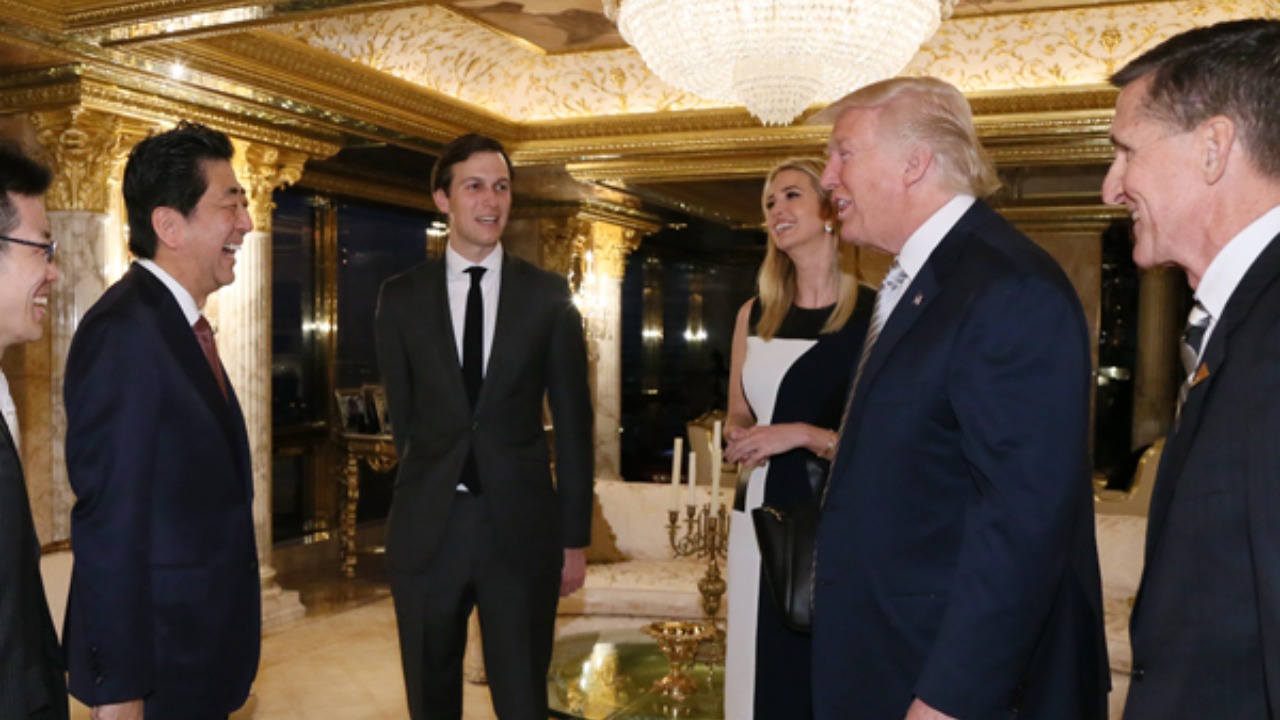
Industry experts and economists have weighed in on the future of tariffs and their potential evolution under different political administrations. There is a consensus that while tariffs might serve short-term protective measures for domestic industries, their long-term effectiveness remains questionable. The uncertainty surrounding tariff policies necessitates a proactive approach from industry players to adapt and innovate.
The impact of tariffs extends beyond individual companies, affecting the entire global automotive industry and related sectors. As manufacturers reassess their strategies, there could be ripple effects on suppliers, dealerships, and even consumer financing companies. This interconnectedness highlights the importance of addressing tariff challenges through collaborative efforts across the industry.
Policy recommendations from industry associations and think tanks emphasize the need for balanced trade policies that protect domestic interests without stifling international competitiveness. Proposed solutions include the reduction of tariff rates, enhancement of bilateral trade agreements, and promotion of sustainable manufacturing practices. For detailed proposals, check out the insights from the Middlebury Institute report.
Future Outlook and Challenges
As Toyota and Honda look to the future, their strategic planning involves preparing for uncertainties in international trade and economic policies. Long-term planning includes building resilient supply chains, embracing digital transformation, and fostering innovations that align with evolving consumer demands and regulatory landscapes.
The potential for tariff rollback or reduction remains a topic of significant interest. Should these tariffs be reduced or eliminated, the automotive industry could experience a resurgence in competitiveness and profitability. However, the likelihood of such policy changes depends heavily on political developments and international negotiations.
Emerging challenges, such as geopolitical tensions and economic fluctuations, will continue to influence the strategies and market positions of Toyota and Honda. Staying ahead in this dynamic environment requires agility, foresight, and a commitment to sustainable practices that ensure long-term success in the automotive industry.

Elias Broderick specializes in residential and commercial real estate, with a focus on market cycles, property fundamentals, and investment strategy. His writing translates complex housing and development trends into clear insights for both new and experienced investors. At The Daily Overview, Elias explores how real estate fits into long-term wealth planning.