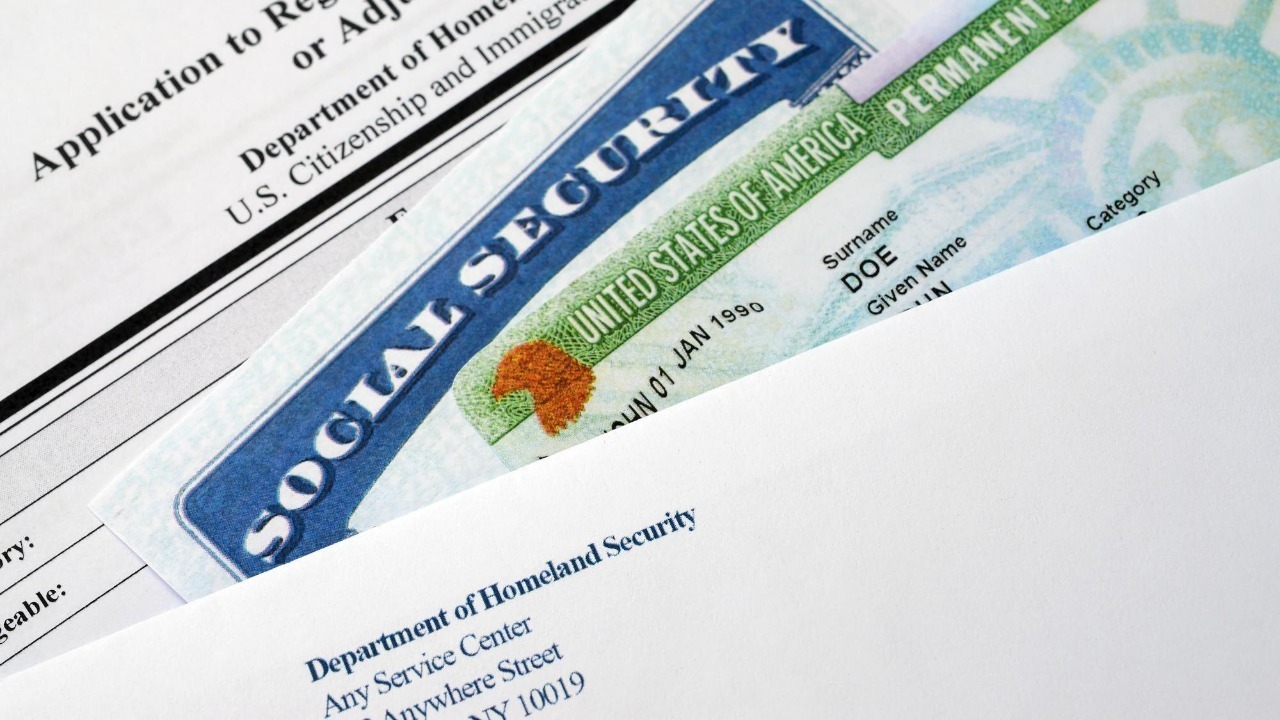
Social Security benefits provide a crucial safety net for many retirees, but what happens if you decide to spend your golden years abroad? Understanding how living outside the United States affects your Social Security benefits is essential for making informed retirement decisions. This exploration delves into the rules, challenges, and considerations for retirees planning to move overseas.
Understanding Social Security Benefits Abroad

When it comes to Social Security benefits, eligibility is the first aspect to consider. Generally, U.S. citizens who qualify for these benefits can continue to receive them even if they move abroad. However, the key is to ensure that all eligibility requirements are met, including having worked and paid into the Social Security system for a sufficient number of years. Social Security benefits are usually based on your 35 highest-earning years, and moving abroad does not typically alter this calculation.
Yet, not all countries treat U.S. Social Security benefits the same way. Some countries may have restrictions or specific rules that could limit your ability to receive benefits. The Social Security Administration provides a list of countries where restrictions apply. For instance, individuals residing in countries like North Korea or Cuba may face significant challenges in receiving their benefits. It’s crucial to verify whether your intended country of residence has any such restrictions before making the move.
Another important factor to consider is the impact of international agreements, known as totalization agreements, between the U.S. and other countries. These agreements are designed to avoid double taxation and to help individuals who have split their careers between the U.S. and another country. The agreements can potentially improve your eligibility for benefits by combining work credits from both countries. It’s worth checking if your destination country has such an agreement with the U.S., as it could significantly impact your benefits.
Payment Process for Overseas Beneficiaries

Receiving Social Security payments while living abroad is generally straightforward, thanks to the various options available for direct deposit. U.S. citizens can have their benefits deposited directly into a U.S. bank account, and in many cases, into foreign bank accounts as well. However, it’s essential to confirm whether the financial institutions in your chosen country support such transactions. The Social Security Administration offers a payment schedule to help you plan your finances better.
When it comes to currency and exchange rates, retirees must be vigilant. Receiving benefits in a foreign currency means that fluctuations in exchange rates can affect the actual amount you receive. It’s advisable to monitor the currency trends regularly and consider consulting with a financial advisor to understand how best to manage these fluctuations. This is particularly important if your retirement budget is tight and exchange rate shifts could impact your purchasing power significantly.
Tax implications are another critical consideration for retirees abroad. Depending on the country you move to, you might face different tax obligations on your Social Security benefits. For some, the risk of double taxation exists, where both the U.S. and the foreign country could impose taxes on your benefits. However, many countries have tax treaties with the U.S. that can mitigate or eliminate this issue. Understanding these treaties and seeking professional tax advice can help you navigate this complex landscape.
Legal and Bureaucratic Considerations
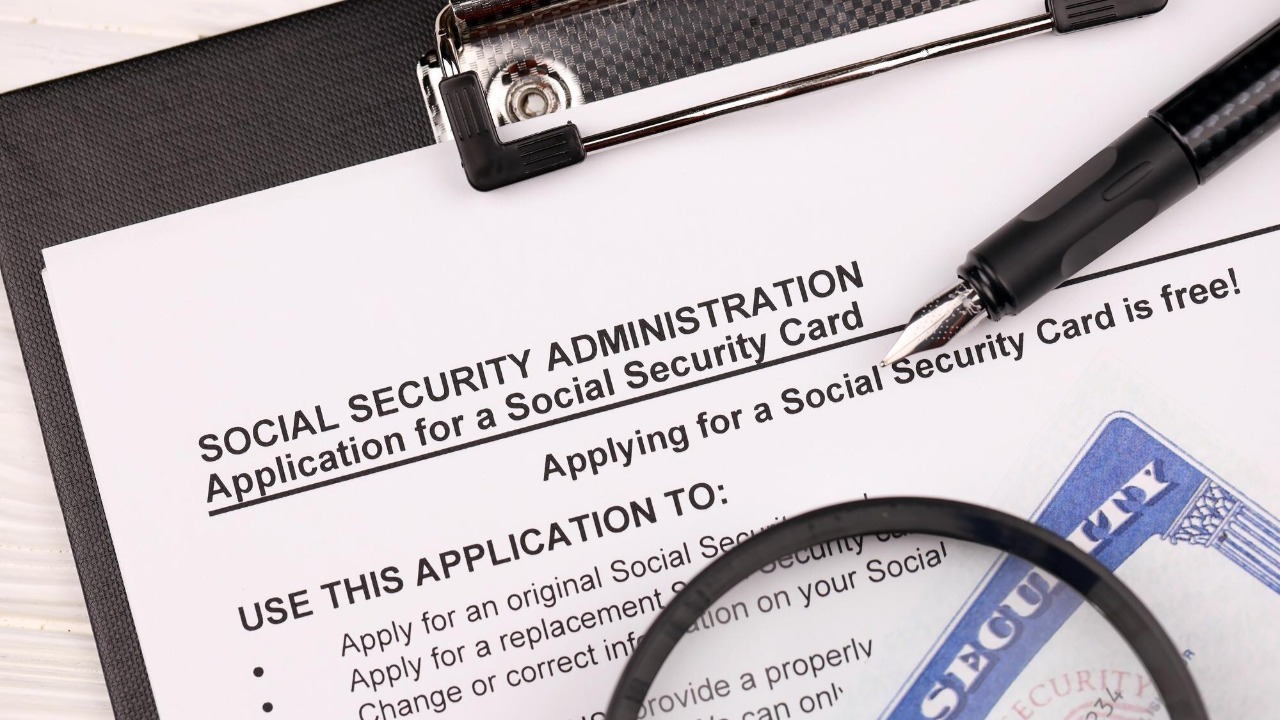
Maintaining your Social Security benefits while living overseas involves adhering to various reporting and documentation requirements. The Social Security Administration requires beneficiaries to report changes in address, marital status, or any other factors that could affect their benefits. Failing to keep your information up-to-date could result in a suspension of benefits or even overpayments that you might have to repay. It’s essential to be diligent about these requirements to ensure that your benefits continue without interruption.
Residency and visa issues can also play a significant role in your ability to stay abroad long-term. Different countries have varying requirements for residency, and understanding these is crucial for maintaining your eligibility for Social Security benefits. For instance, some countries might require you to renew your visa periodically, while others might offer more permanent residency options. Staying informed about these requirements will help you avoid any legal complications that could jeopardize your retirement plans.
Changes in personal circumstances, such as a change in marital status or citizenship, can also impact your benefits. For example, if you marry or divorce while living abroad, this could affect the amount of benefits you receive. Similarly, if you decide to relinquish your U.S. citizenship, there might be consequences for your Social Security benefits. It’s vital to understand how these changes could affect your benefits and to seek guidance when necessary.
Challenges and Considerations of Retiring Abroad
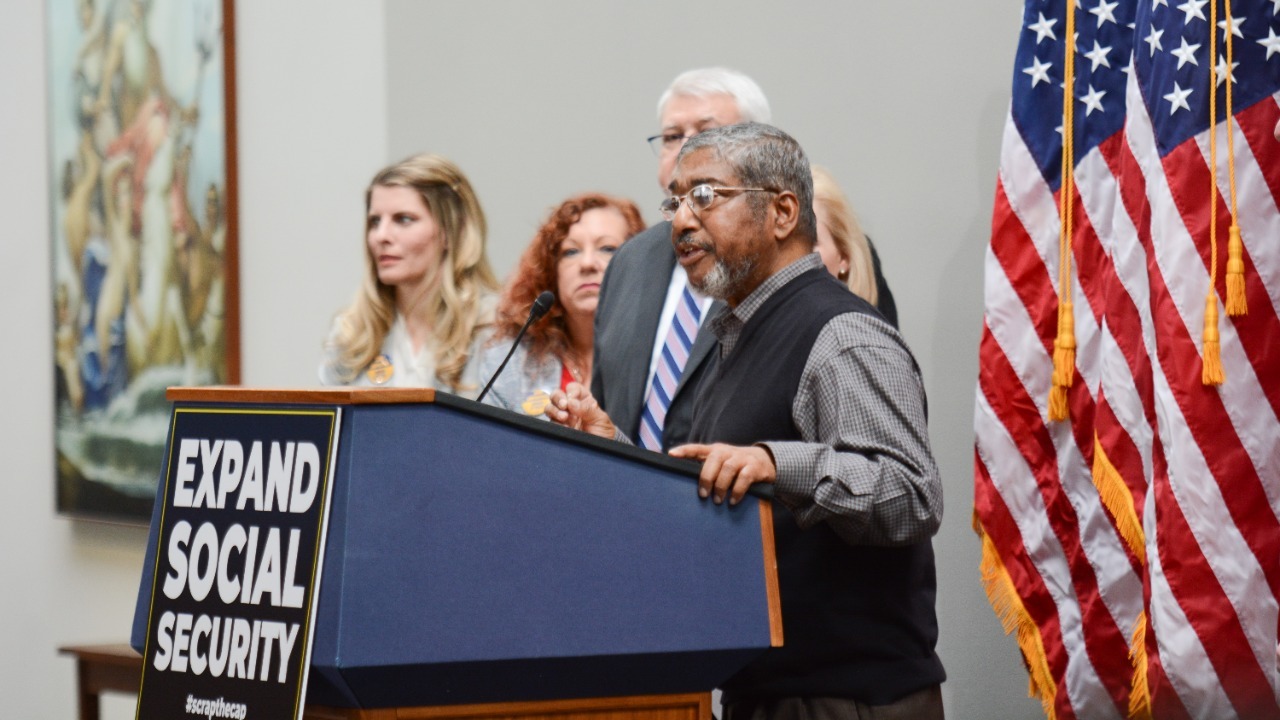
The decision to retire abroad comes with both opportunities and challenges, particularly concerning the cost of living and healthcare. Depending on the country, you might experience significant cost savings or increases. For instance, retiring in Southeast Asia might offer a lower cost of living, whereas European countries could present higher expenses. Healthcare is another crucial consideration, as access and quality can vary widely. It’s essential to evaluate these factors to ensure your retirement funds are adequate for your new lifestyle.
Cultural and lifestyle adjustments are inevitable when moving to a new country. Language barriers, different customs, and new social norms can all impact your experience. It’s important to prepare for these changes and embrace the opportunity to learn and grow in a new environment. Connecting with local communities or expatriate groups can provide support and ease the transition.
Long-term planning is integral to ensuring continuous Social Security benefits and overall financial stability. This includes setting up a reliable system for managing your finances, staying informed about changes in Social Security regulations, and planning for unexpected events. Regularly reviewing your financial situation and adjusting your plans as needed will help you maintain a secure and fulfilling retirement abroad.

Nathaniel Cross focuses on retirement planning, employer benefits, and long-term income security. His writing covers pensions, social programs, investment vehicles, and strategies designed to protect financial independence later in life. At The Daily Overview, Nathaniel provides practical insight to help readers plan with confidence and foresight.

