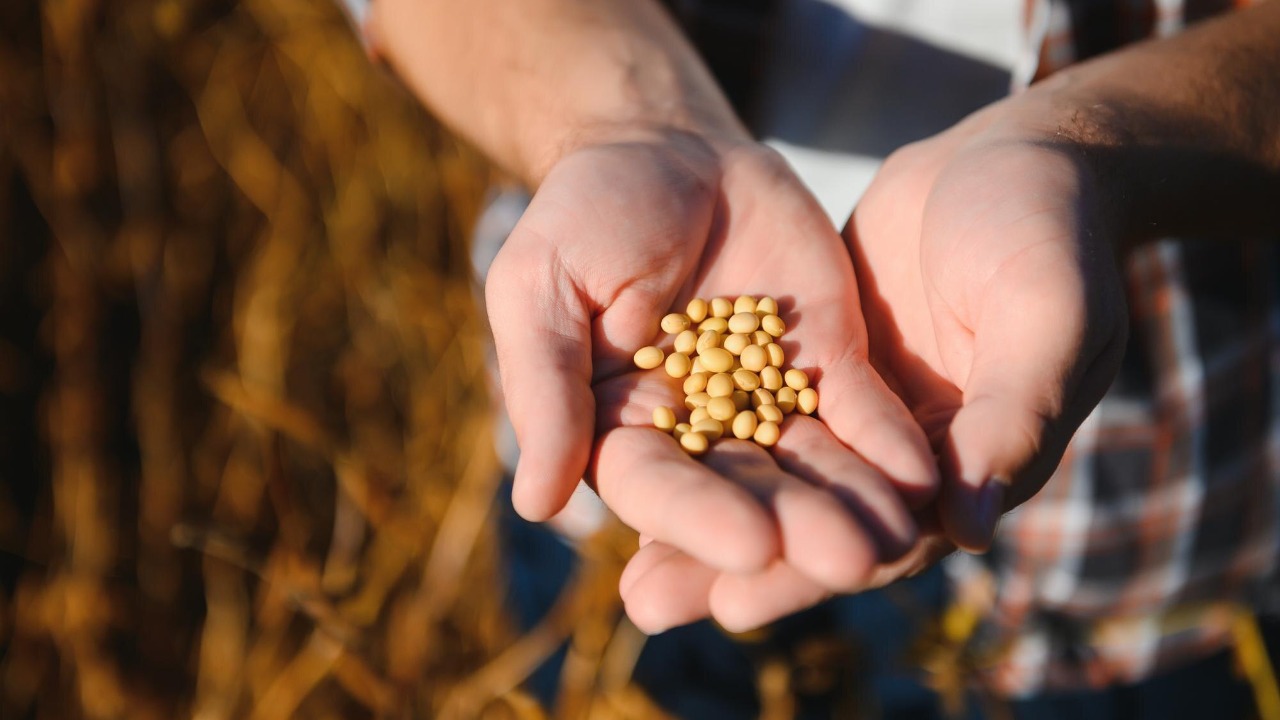
American farmers are intensifying efforts to increase soybean exports to China amid the ongoing trade tensions initiated by President Donald Trump. Recent pushes highlight the sector’s vulnerability to tariffs and market shifts as of November 10, 2025. Industry leaders report that soybean sales have faced significant disruptions since the trade war’s escalation, prompting new marketing strategies to regain lost ground in the world’s largest importer of the crop.
Trade War’s Lingering Effects on U.S. Agriculture
The trade war between the United States and China, sparked by President Donald Trump’s policies, initially saw China imposing tariffs on U.S. soybeans in 2018. This move led to a sharp decline in exports, significantly impacting American farmers who relied heavily on the Chinese market. According to a recent analysis, these retaliatory measures have persisted into 2025, leaving farmers grappling with reduced market access and a continued need for government subsidies to offset their losses.
The impact of these tariffs has been particularly severe in Midwest farming communities, such as those in Iowa and Illinois, where soybean production is a major economic driver. The financial strain caused by the trade disruptions has forced many farmers to reconsider their business strategies and seek alternative markets. Despite these challenges, the resilience of these communities underscores the critical role agriculture plays in the U.S. economy and the broader implications of international trade policies.
Farmers’ Strategies to Reclaim Chinese Market Share
In response to the ongoing trade tensions, American farmers have launched promotional campaigns and trade missions to boost the visibility of U.S. soybeans in China. Organizations like the American Soybean Association are emphasizing the quality and reliability of U.S. crops to regain market share. These efforts include negotiations for alternative trade deals or tariff exemptions, with farmers actively lobbying Washington for support as the trade war continues.
Individual farmers are also adapting their planting and sales tactics to mitigate the impact of tariffs. Some are diversifying their markets to include non-tariffed regions while still targeting a recovery in China. These strategies reflect a broader trend among U.S. farmers to innovate and adapt in the face of international trade challenges, highlighting the importance of flexibility and resilience in the agricultural sector.
Outlook Amid Potential Policy Shifts
The 2024 U.S. election results have the potential to reignite tariff escalations, posing risks to ongoing efforts to boost soybean sales. With President Trump still influential in American politics, the possibility of renewed trade tensions remains a concern for farmers. Economic projections for 2025 suggest that soybean exports could rebound if diplomatic channels open, but further declines are possible without a resolution to the trade conflict.
Experts suggest that long-term adaptations, such as investing in sustainable farming practices, could appeal to Chinese buyers despite existing trade barriers. This approach not only addresses immediate market access issues but also aligns with global trends toward sustainability and environmental responsibility. As American farmers navigate these complex dynamics, their ability to adapt and innovate will be crucial in securing a stable future for the U.S. agricultural industry.
More From TheDailyOverview
- Dave Ramsey says these two simple questions show whether you’re rich or poor
- Retired But Want To Work? Try These 18 Jobs for Seniors That Pay Weekly
- IRS raises capital gains thresholds for 2026 and what’s new
- 12 ways to make $5,000 fast that actually work

Grant Mercer covers market dynamics, business trends, and the economic forces driving growth across industries. His analysis connects macro movements with real-world implications for investors, entrepreneurs, and professionals. Through his work at The Daily Overview, Grant helps readers understand how markets function and where opportunities may emerge.

