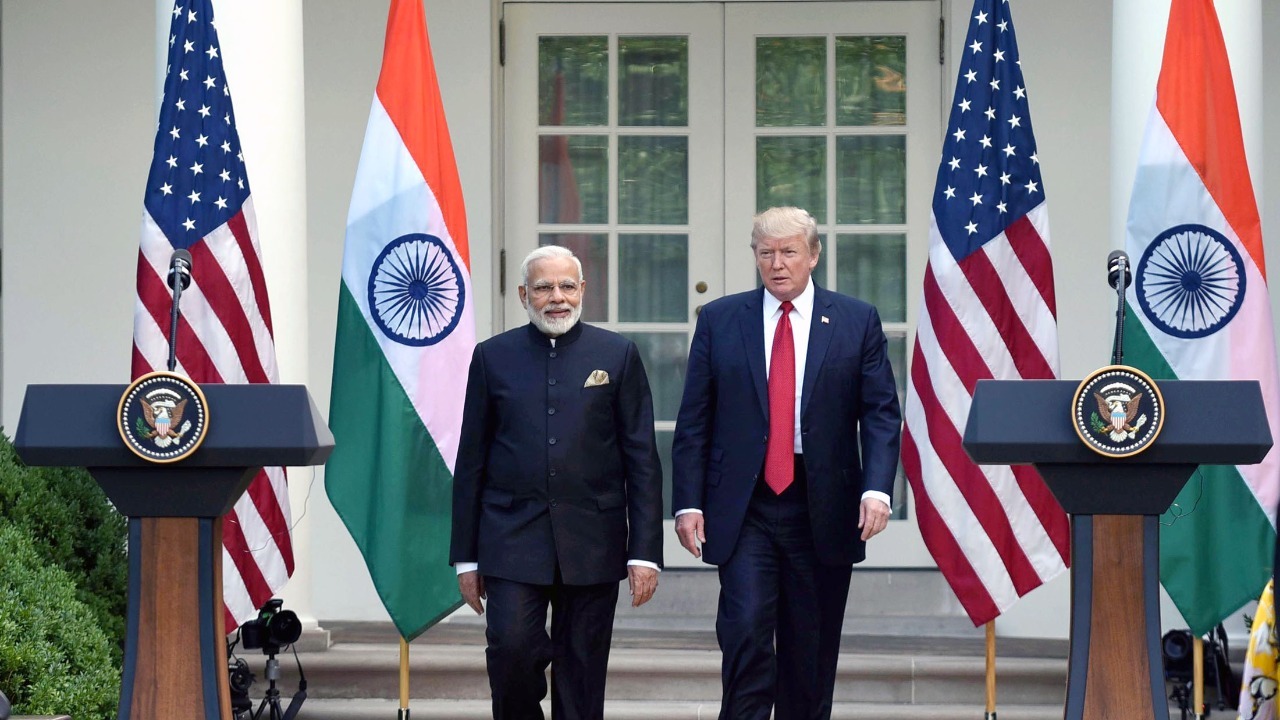
The imposition of new US tariffs on Brazilian beef threatens to disrupt the global meat market, potentially leading to a significant economic impact on Brazil. With an estimated $1 billion in sales at risk, the tariffs could have far-reaching consequences for both suppliers and consumers worldwide.
Economic Impact on Brazil

Brazil, a leading exporter of beef, faces a daunting economic challenge with the projected $1 billion loss due to US tariffs. This financial blow could ripple through the national economy, affecting not only beef exporters but also the broader agricultural sector. As the US stands as a pivotal trading partner, the tariffs could disrupt longstanding trade relationships, compelling Brazil to seek alternative markets.
The Brazilian beef industry, employing thousands, is at risk of significant job losses. Such a downturn could exacerbate socio-economic challenges, particularly in rural areas where beef production is a primary economic driver. The potential reduction in workforce may lead to increased unemployment rates, further straining social services and economic stability in these regions.
Global Trade Dynamics
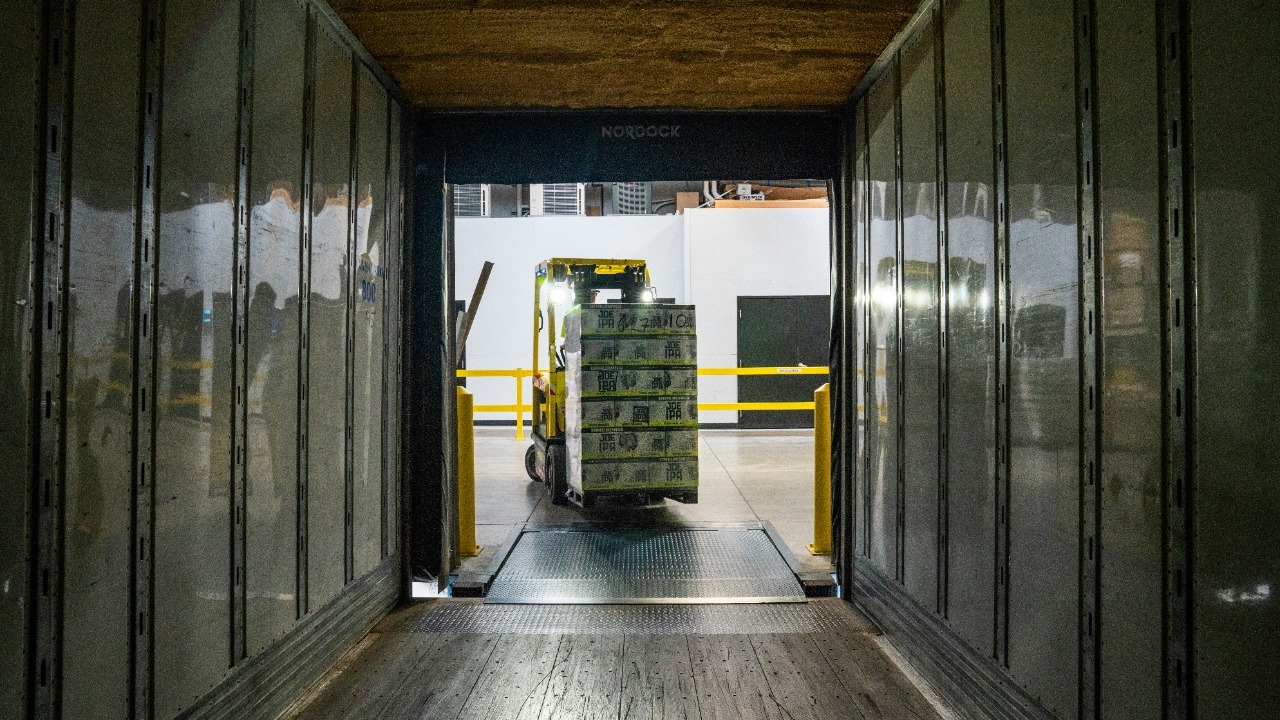
The US-Brazil trade relationship has long been a cornerstone of global beef supply chains. The introduction of tariffs changes the landscape, prompting shifts in global trade dynamics. As the US imposes these tariffs, the balance of trade is altered, potentially leading to increased beef prices worldwide and affecting supply chains.
This disruption creates opportunities for other countries to capitalize on Brazil’s potential market loss. Nations like Argentina and Australia may find themselves well-positioned to fill the void in the US market, leveraging their own beef exports. The shifting of trade routes may also encourage Brazil to forge new alliances and trade agreements, diversifying its export destinations to mitigate the impact of US tariffs.
Political and Geopolitical Factors
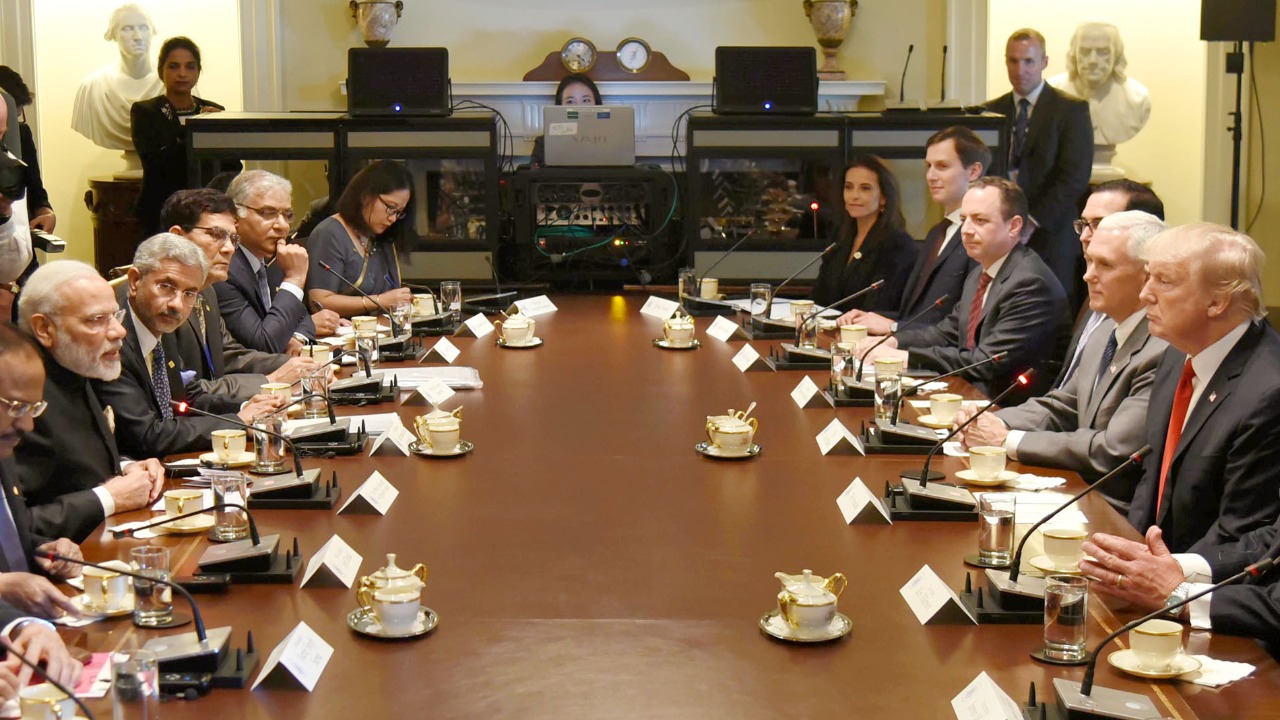
The political motivations behind the US decision to impose tariffs on Brazilian beef are complex and multifaceted. It is a move that fits within broader geopolitical trends, where trade policies are increasingly used as tools of diplomacy and negotiation. The US may be seeking to exert pressure on Brazil amid broader geopolitical tensions or as part of a strategy to protect domestic industries.
In response, Brazil is likely to explore various strategies to counteract the economic impact of these tariffs. This might include seeking relief through international trade organizations or engaging in bilateral negotiations to reduce or eliminate the tariffs. The situation illustrates how trade conflicts can escalate and influence geopolitical relationships, affecting not just the countries directly involved but the global community as a whole.
Market Adaptations and Responses
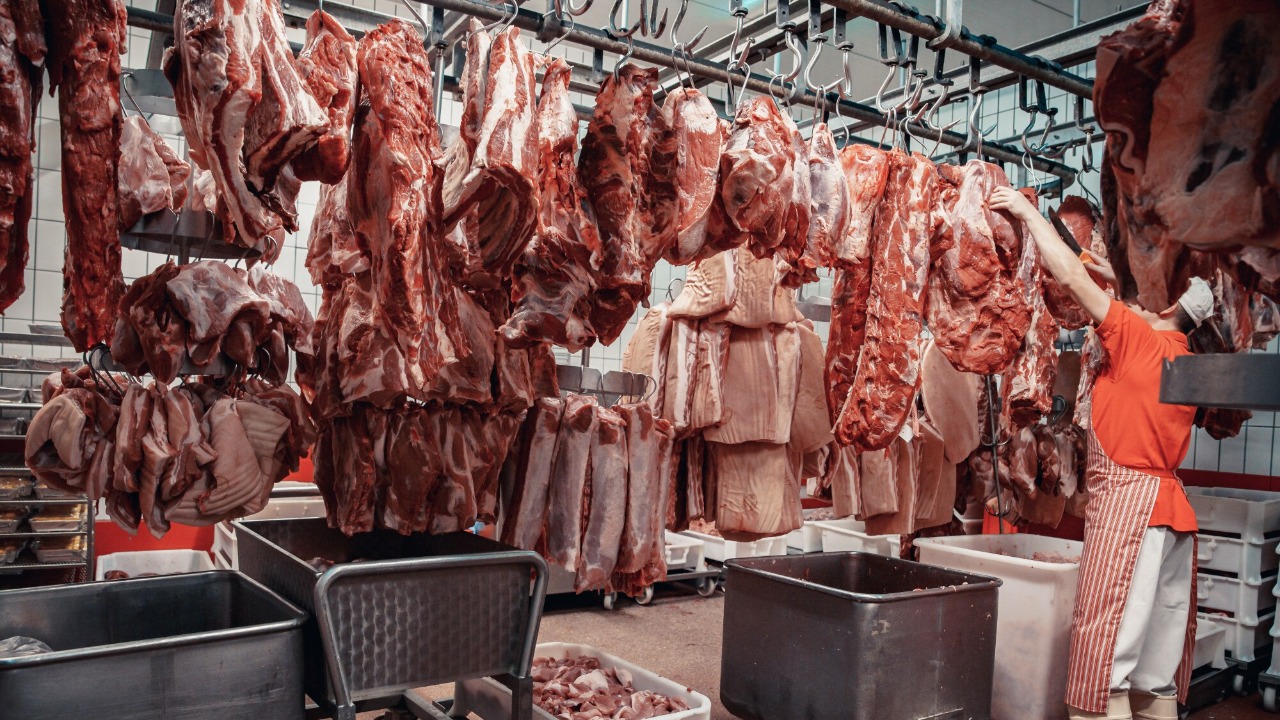
Faced with shifting market conditions, Brazilian beef producers are actively seeking alternative markets to offset losses from the US. By expanding exports to Asia and Europe, Brazilian companies aim to reduce their reliance on the US market. This diversification strategy is crucial for sustaining the industry amid ongoing trade tensions.
The imposition of tariffs is likely to lead to changes in consumer prices and demand within the US and globally. As beef prices rise, consumers may turn to alternative protein sources, impacting demand dynamics. Moreover, international trade agreements and negotiations may evolve, with countries reassessing their trade priorities in light of the US-Brazil tariff situation.

Grant Mercer covers market dynamics, business trends, and the economic forces driving growth across industries. His analysis connects macro movements with real-world implications for investors, entrepreneurs, and professionals. Through his work at The Daily Overview, Grant helps readers understand how markets function and where opportunities may emerge.

