
The proposed $600 tariff rebates aim to provide financial relief to Americans amid rising costs and economic uncertainty. Introduced by Senator Josh Hawley, this initiative seeks to redistribute funds collected from tariffs back to consumers, potentially alleviating some economic pressures. The mechanism, potential benefits, and implications of this proposal offer a glimpse into how targeted financial measures can impact household economies.
Understanding the Tariff Rebate Proposal

The $600 tariff rebate plan introduced by Senator Josh Hawley aims to return a portion of the revenue generated from tariffs directly to American consumers. This proposal is part of a broader effort to provide economic relief amidst escalating living costs. The key feature of this plan is its direct approach to financial assistance, bypassing large bureaucratic processes and getting money directly into the hands of consumers.
Economically, tariffs are a source of government revenue collected on imported goods, which can lead to higher prices for consumers. The rationale behind the rebate is to mitigate the impact of these increased costs by redistributing some of the tariff revenues. Proponents argue that this approach not only helps consumers but also stimulates the economy by increasing disposable income, which can lead to more spending.
For the proposal to become law, it must go through the legislative process, which involves approval from both the House and the Senate, followed by the President’s signature. Challenges such as political opposition, budgetary constraints, and differing economic philosophies could pose hurdles to the proposal’s passage. However, if successful, it could set a precedent for how tariff revenues are utilized in the future.
Potential Impact on American Households

The potential financial relief from the $600 rebate could be significant for many households struggling with inflation and rising costs. With everyday expenses such as groceries, fuel, and housing on the rise, an influx of $600 could help families manage their budgets more effectively, providing a temporary cushion against economic pressures.
Historically, similar rebate programs have been implemented with varying degrees of success. For instance, the Economic Stimulus Act of 2008 provided tax rebates to American households, which were designed to boost consumer spending and address a slowing economy. While the outcomes varied, many households reported temporary financial relief, and there was a modest uptick in consumer spending. This example illustrates how rebate programs can influence household economies and highlights the potential positive impact of the current proposal.
Beyond individual households, the broader economic effects of increased consumer spending could lead to a positive ripple effect. With more disposable income, families might spend more on retail, dining, and other services, thereby stimulating local economies and potentially creating new jobs. The tariff rebate, therefore, could play a crucial role in bolstering economic activity during uncertain times.
Criticism and Support

Supporters of the rebate argue that it provides much-needed economic and social benefits to American families. By redistributing tariff revenues, the proposal aims to directly address the burden of rising costs on consumers. Proponents also highlight the potential for increased consumer spending to drive economic growth, which could benefit businesses and the economy at large.
However, the proposal is not without its critics. Some argue that the rebate could be a temporary fix that doesn’t address the underlying issues of inflation and economic disparity. Concerns also exist regarding the potential for increased government spending and its impact on the national deficit. Additionally, some economists express skepticism about whether such rebates effectively stimulate long-term economic growth.
Expert opinions on the proposal are mixed. According to a recent analysis, some economists believe that while the rebate could provide short-term relief, more comprehensive measures may be necessary to address broader economic challenges. Policymakers are also divided, with debates focusing on the proposal’s feasibility and long-term implications for fiscal policy.
Comparative Analysis with Past Rebates
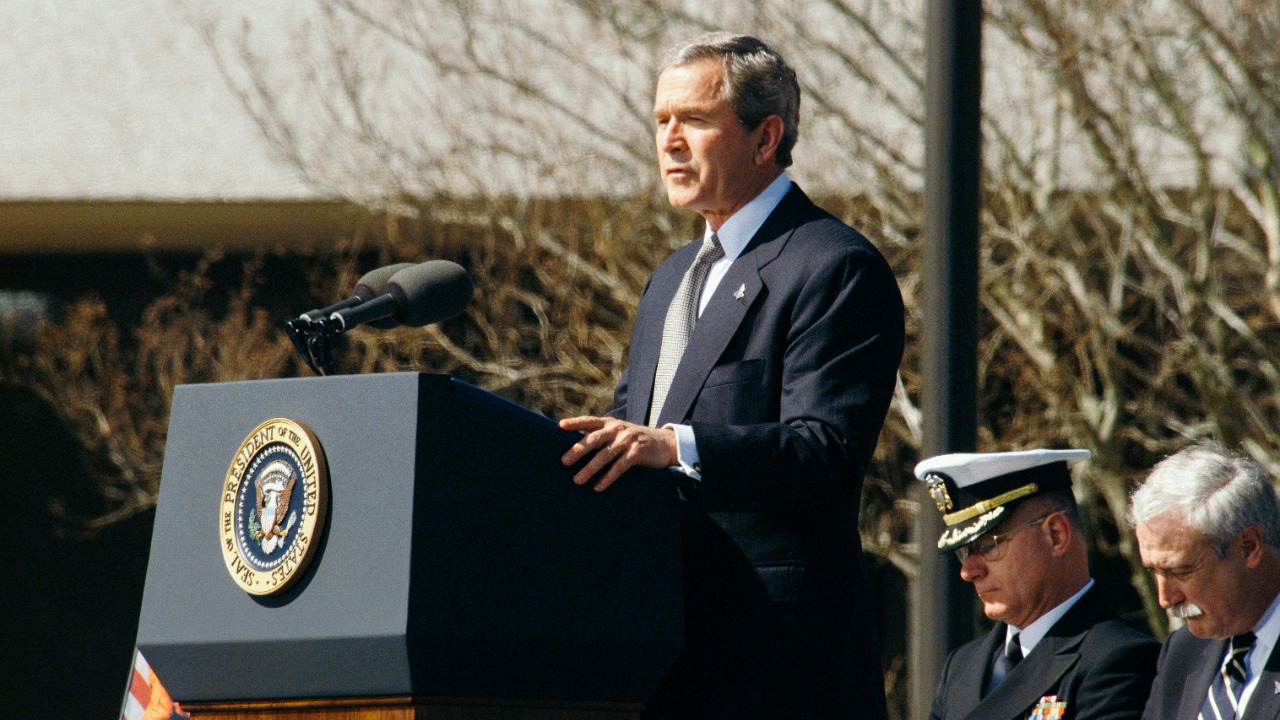
To assess the potential success of the $600 tariff rebate, it’s helpful to examine past rebate programs and their outcomes. The 2001 tax rebate, introduced as part of President George W. Bush’s tax cuts, aimed to boost the economy amidst a downturn. While studies indicate that the rebate led to a modest increase in consumer spending, the long-term impact on economic growth was limited.
Lessons from past initiatives suggest that while rebate programs can provide temporary relief, their efficacy in driving sustained economic growth is less certain. The key distinction with the current proposal is its focus on redistributing tariff revenues, which could address specific economic pressures faced by consumers due to import tariffs.
Comparing the current proposal with historical examples highlights both similarities and differences. The direct distribution of funds to consumers is a common element, but the source of funding—tariff revenues—sets the current proposal apart. By learning from past initiatives, policymakers can better understand the potential challenges and opportunities associated with implementing the tariff rebate.
Next Steps for Implementation
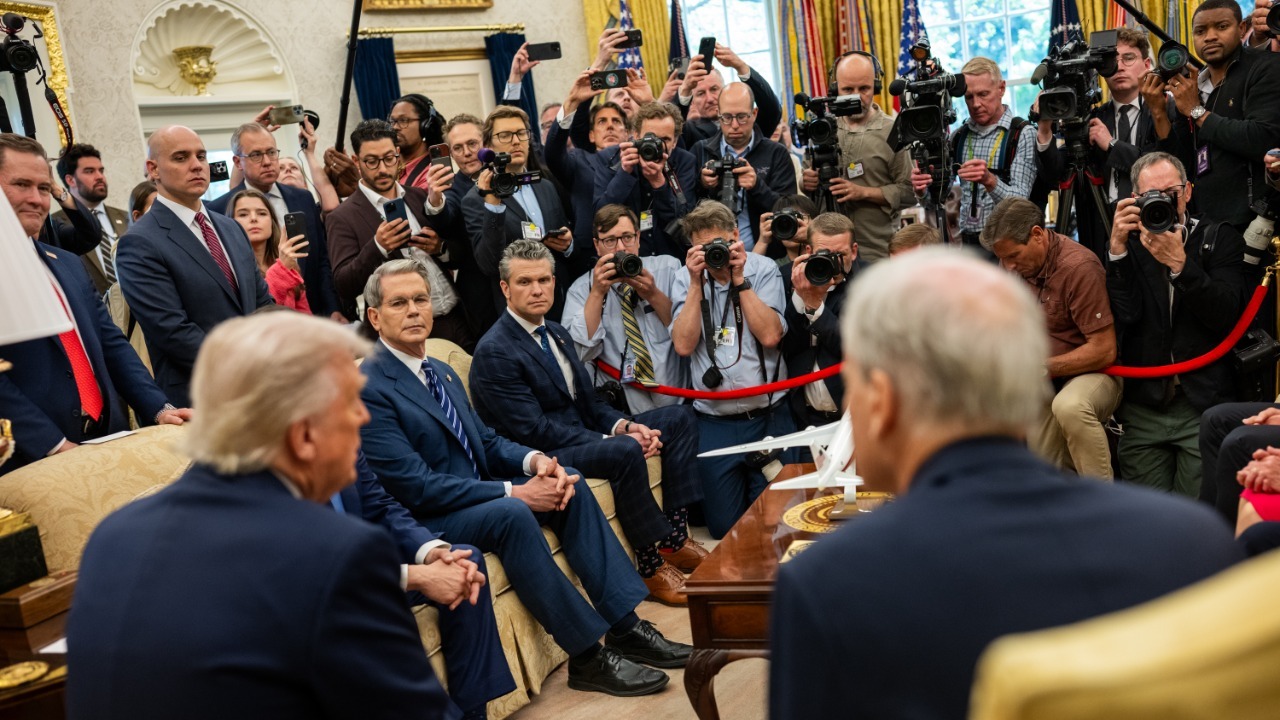
Should the proposal gain legislative traction, a timeline for review and potential rollout would be established. The legislative process involves multiple steps, including committee reviews, debates, and votes in both the House and Senate. If approved, the distribution of funds could follow soon after, depending on the efficiency of government agencies involved.
Stakeholders such as government agencies, businesses, and consumers play a crucial role in the implementation process. Government agencies would be responsible for administering the rebate, while businesses and consumers would be the primary beneficiaries of the increased spending. Coordination among these stakeholders is essential for the program’s success.
Monitoring and evaluation will be critical to assess the program’s effectiveness over time. Metrics such as consumer spending patterns, economic growth indicators, and household financial stability would provide valuable insights into the rebate’s impact. By evaluating these factors, policymakers can make informed decisions about future rebate programs and economic policies.

Julian Harrow specializes in taxation, IRS rules, and compliance strategy. His work helps readers navigate complex tax codes, deadlines, and reporting requirements while identifying opportunities for efficiency and risk reduction. At The Daily Overview, Julian breaks down tax-related topics with precision and clarity, making a traditionally dense subject easier to understand.


