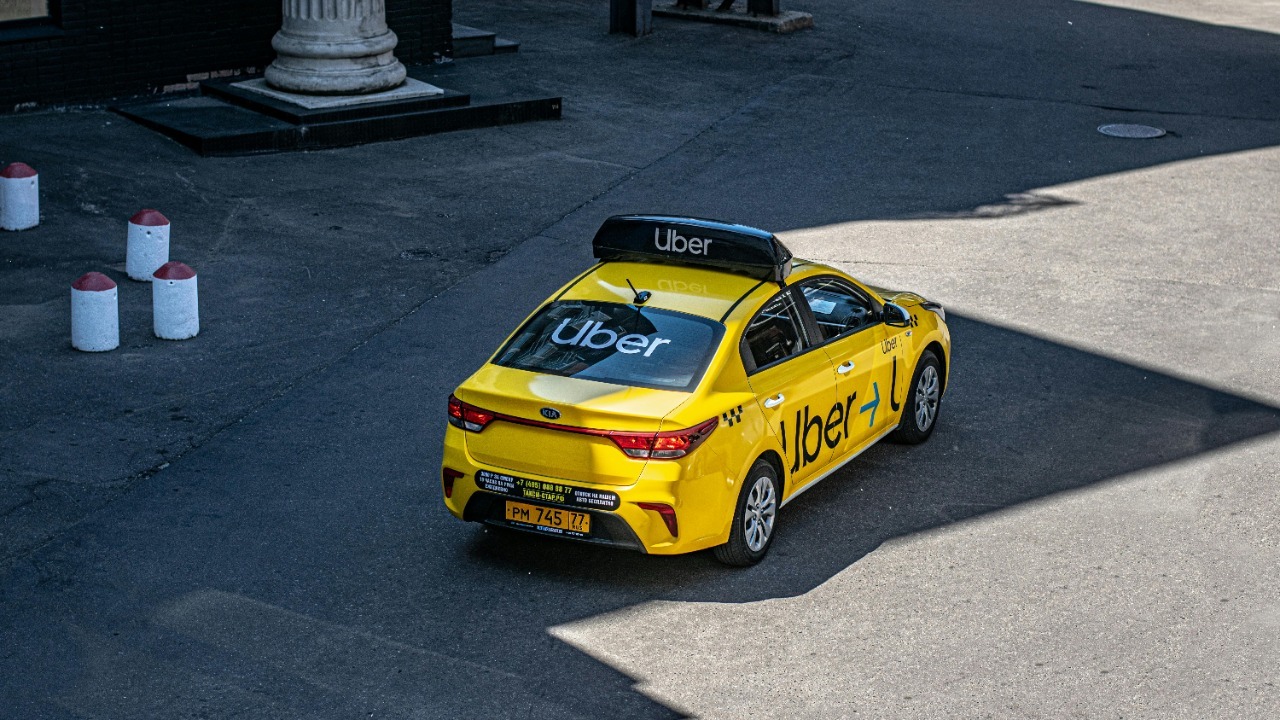
Uber plans to spend more than $100 million building fast-charging hubs dedicated to electric robotaxis in three major U.S. metro areas, a bet that reliable power infrastructure will determine which company wins the autonomous ride-hailing race. The investment targets the San Francisco Bay Area, Los Angeles, and Dallas, covering site development, construction, and equipment. The announcement lands as Uber accelerates its driverless ambitions through partnerships with Waymo, Lucid, and Nuro, signaling that the company views charging logistics as just as important as the self-driving software itself.
By moving early on high-capacity depots, Uber is trying to solve a problem that has dogged both consumer EVs and commercial fleets: chargers that are either too scarce, too slow, or too unreliable to support around-the-clock operations. While consumer drivers can tolerate occasional waits or route detours, a robotaxi business depends on vehicles spending as many minutes as possible moving passengers, not hunting for plugs. Uber’s wager is that owning, shaping, or tightly contracting the charging layer will be as strategically important as the vehicles and code that sit on top of it.
Where the Money Goes and Why
The spending, which Uber has confirmed on the record, will fund purpose-built depot-style charging stations rather than retrofits of existing public networks. According to Bloomberg reporting, the company plans to devote “more than $100 million” to autonomous-vehicle charging hubs starting in the Bay Area, Los Angeles, and Dallas. The scope covers land acquisition, site preparation, utility upgrades, and installation of high-speed chargers, all designed to keep robotaxi fleets running with minimal downtime between rides and to support charging speeds that match the needs of commercial operations rather than individual drivers.
The exact budget figure carries a small wrinkle. Some coverage has characterized the commitment as a flat $100 million, while others, including the Los Angeles Times, emphasize that the investment will exceed that threshold and unfold over multiple phases. That outlet also notes that Uber has structured its charging deals around utilization guarantees, with financial penalties triggered if usage targets fall short. In other words, Uber is not simply building chargers and hoping they get used; it is locking in performance commitments that force high throughput from day one, which could help justify the capital expense and reassure utilities and landlords that the sites will be heavily trafficked.
Charging Partners and Fleet Uptime Strategy
Uber is not going it alone on hardware. The company is working with established charging networks, including EVgo, through guaranteed utilization arrangements that shift some risk off the infrastructure providers, according to Axios coverage. The depot-based model differs from the scattered public charger approach that most consumer EV drivers rely on. By concentrating fast chargers at dedicated sites, Uber can route robotaxis to predictable locations, reduce idle time between fares, and avoid the congestion and reliability problems that plague many public charging stations, where broken hardware or long queues can derail carefully tuned fleet schedules.
The utilization guarantee model deserves closer scrutiny than most coverage has given it. In a traditional charging deal, a network operator bears the risk that chargers sit idle during off-peak hours or in underdeveloped markets. Uber’s arrangement flips that dynamic: the company is essentially promising a minimum volume of charging sessions, which lowers the per-session cost and gives charging partners revenue certainty. For Uber, the trade-off is a contractual obligation to keep vehicles flowing through those hubs. If fleet deployment stalls or demand disappoints, the fines kick in, creating real financial pressure to scale robotaxi operations quickly once the chargers go live and to optimize routing algorithms so that vehicles arrive at depots in steady, predictable waves rather than chaotic surges.
The Robotaxi Pipeline Behind the Plugs
The charging investment makes strategic sense only if Uber has enough electric autonomous vehicles to fill those hubs. On that front, the company has been building momentum. Uber, Lucid, and Nuro jointly unveiled a new robotaxi at CES and confirmed that autonomous on-road testing began in December 2025. The trio is targeting a commercial launch in the San Francisco Bay Area later in 2026, which aligns neatly with the first charging hubs coming online in the same region. That timing suggests Uber is planning the infrastructure and vehicle rollouts as a single integrated program rather than treating charging as an afterthought.
Separately, Uber’s partnership with Waymo continues to expand. Waymo’s autonomous vehicles are set to carry passengers in Atlanta through the Uber app, adding another city to their joint driverless ride service and demonstrating that Uber can plug third-party robotaxis into its marketplace. While the charging hubs announced so far are focused on the Bay Area, Los Angeles, and Dallas, the same depot logic could eventually support vehicles from multiple partners in any city where autonomous services scale. Whether a car carries a Waymo, Lucid, or Nuro badge, it still needs a reliable place to recharge between shifts, and Uber’s control of that chokepoint could become a bargaining chip in future negotiations over data sharing, pricing, and geographic exclusivity.
Strategic Stakes in Owning the Plug
Most analysis of the robotaxi race focuses on software capability, sensor suites, and regulatory approvals. Uber’s charging bet introduces a different competitive axis: infrastructure control. A company that owns or contractually controls its charging depots can dictate fleet scheduling, guarantee vehicle availability during peak hours, and avoid dependency on third-party networks that might prioritize their own customers. According to an expanded Bloomberg summary, Uber executives see charging infrastructure as a core pillar of the business rather than a peripheral utility expense, which helps explain why the company is willing to sign long-term, volume-based contracts instead of relying solely on public fast-charging corridors.
That operational advantage is hard to replicate quickly. Building dedicated charging sites requires zoning approvals, long-lead electrical equipment, utility interconnection studies, and construction timelines that can stretch months or years, especially in dense urban cores. Once sites are energized, they also become data assets: Uber can learn, in granular detail, how charging patterns correlate with trip demand, weather, and traffic, and then feed those insights back into dispatch algorithms. Competitors that depend on generic public chargers may struggle to match that level of optimization, even if their self-driving stacks perform similarly on the road.
What Competitors and Riders Should Watch
For riders, the practical effect is straightforward. Robotaxis that spend less time charging spend more time picking up passengers, which should translate into shorter wait times and broader geographic coverage once these services go live. The three initial metro areas (Bay Area, Los Angeles, and Dallas) represent a mix of dense downtowns, airport corridors, and sprawling suburban grids. If Uber can prove the depot model works across those different geographies, it has a template for rapid expansion into other cities, potentially bundling charging access with its software platform when courting additional vehicle partners or municipal transit agencies.
There is a legitimate question, though, about whether Uber is building ahead of proven demand or responding to it. No public data yet shows how many robotaxi rides per day these markets will generate in 2026 or 2027, and autonomous deployments remain tightly regulated and geographically constrained. The utilization guarantee contracts suggest Uber is confident enough to put real money behind its projections, but those same contracts also expose the company to losses if autonomous ride volumes grow more slowly than planned. The gap between testing a handful of vehicles and running a fleet large enough to justify dedicated depots is significant, and Uber’s charging buildout is a visible, capital-intensive bet that the robotaxi era will arrive soon enough to make those plugs indispensable rather than underused monuments to premature optimism.
More From The Daily Overview
*This article was researched with the help of AI, with human editors creating the final content.

Grant Mercer covers market dynamics, business trends, and the economic forces driving growth across industries. His analysis connects macro movements with real-world implications for investors, entrepreneurs, and professionals. Through his work at The Daily Overview, Grant helps readers understand how markets function and where opportunities may emerge.

