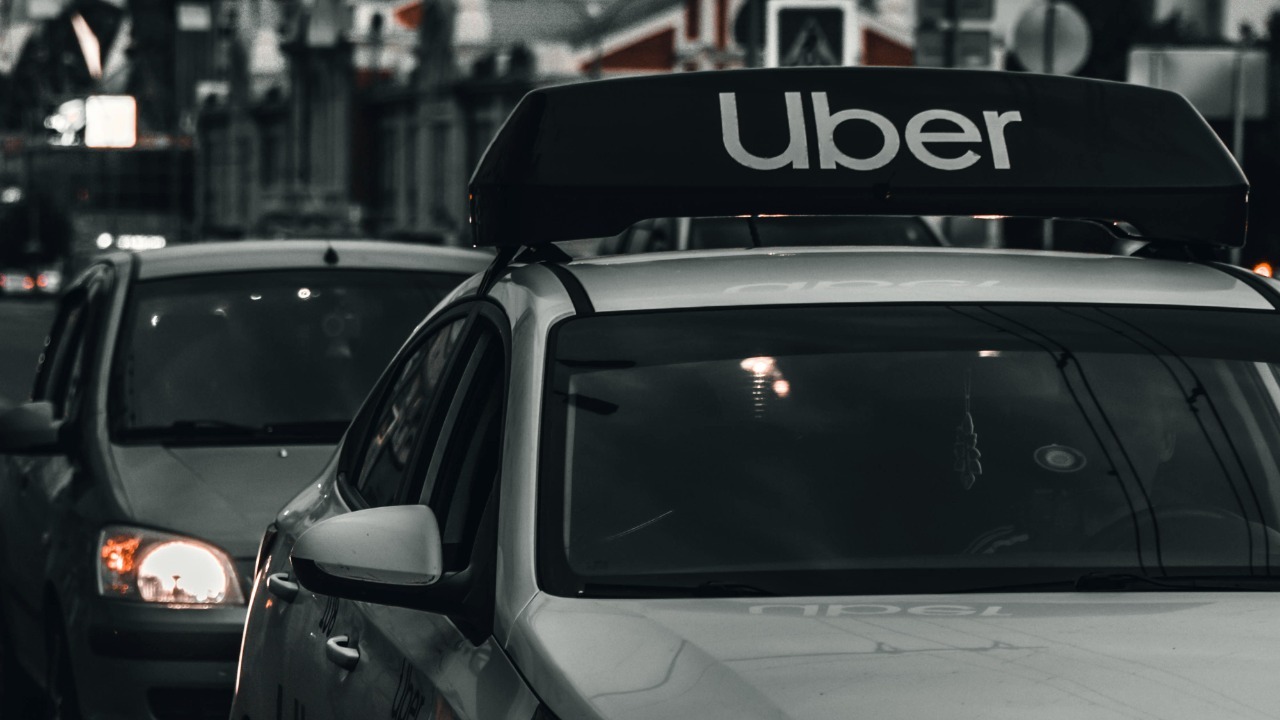
Uber is no longer treating billboard personal injury lawyers as a background cost of doing business. It is trying to rewrite the economics of crash litigation around its platform, using lawsuits, ballot measures, and a high-profile media blitz to squeeze the revenue streams of the attorneys who advertise “millions of dollars for my clients.” At stake is not only the bottom line of those firms, but also who ultimately pays for the risks built into app-based transportation.
I see a coordinated strategy emerging: Uber is reframing injury claims as a driver of higher fares, casting some lawyers as racketeers, and pitching itself as a champion of “fair” insurance and civil justice reform. The company is betting that if it can convince regulators, voters, and riders that billboard lawyers are gaming the system, it can cut its own insurance costs and shift more of the financial burden of accidents away from its balance sheet.
The new front in Uber’s legal wars
Uber has always been a litigation magnet, but its latest campaign marks a shift from defending individual cases to attacking the business model of the lawyers who bring them. Instead of quietly settling disputes over crashes, the company is now filing sweeping racketeering claims and pushing structural changes that would reshape how injury cases tied to rides are handled. The target is not just a handful of firms, but the broader ecosystem of billboard-driven personal injury practices that have grown up around car crashes and insurance payouts.
In California, Uber has paired that aggressive posture with a proposed ballot initiative that would curb what it describes as inflated or fraudulent settlements tied to its rides, a move that directly threatens the revenue of the “billboard personal injury lawyers” whose ads dominate highways and late-night television. Reporting on how Uber takes aim at those bottom lines describes a company that is no longer content to treat these payouts as a cost of doing business, but instead wants to rewrite the rules that govern who gets paid, and how much, when something goes wrong in an Uber car.
From crash claims to RICO accusations
The most striking element of this campaign is Uber’s decision to reach for the Racketeer Influenced and Corrupt Organizations Act, or RICO, a statute more commonly associated with organized crime than with car accident litigation. By framing certain injury practices as racketeering, Uber is signaling that it sees some crash claims not as aggressive advocacy, but as coordinated fraud that inflates its insurance costs and, by extension, the price of rides. That framing raises the stakes for the lawyers involved, who now face not only fee disputes but allegations of criminal-style conduct in civil court.
According to detailed accounts of how Uber Technologies has launched federal RICO lawsuits, the company is accusing networks of attorneys and medical providers of staging or exaggerating car crashes to extract settlements. One report describes this as part of a broader “assault on America’s civil justice system,” arguing that Uber is using the threat of complex, expensive RICO litigation to deter plaintiffs’ firms from taking on cases against a well funded corporate defendant. The legal theory is clear: if Uber can convince courts that some billboard lawyers are running fraudulent enterprises, it can both recoup past payouts and chill future claims.
Targeting specific billboard lawyers by name
Uber’s strategy is not limited to abstract accusations about “trial lawyers” as a class. It has begun naming individual attorneys and firms that have become fixtures on Los Angeles freeways and other urban corridors. By dragging those personalities into RICO suits, the company is trying to turn their brand recognition against them, recasting familiar faces from “I got millions for my clients” commercials as alleged participants in schemes that drive up costs for riders and drivers.
One widely discussed example involves a civil RICO case that, according to a detailed summary, accuses well known billboard attorney Jacob Emrani and lawyer Igor Fradkin of Downtown LA Law Group of orchestrating fraudulent crash claims tied to Uber rides. A post explaining how Uber alleges that Jacob Emrani and Igor Fradkin of Downtown LA Law Gr engaged in such conduct underscores how personal this fight has become. By singling out marquee names, Uber is sending a message to the broader billboard bar: the company is willing to litigate aggressively, in public, and at scale.
A multimillion dollar ad blitz against the plaintiffs’ bar
Legal filings are only one part of the offensive. Uber is also spending heavily on a narrative campaign that tells riders and voters that personal injury lawyers are a key reason their trips cost what they do. The company has rolled out a multimillion dollar advertising push that links crash claims to higher fares, positioning itself as the party trying to protect consumers from what it portrays as opportunistic litigation. In effect, it is trying to turn public frustration with legal ads into support for its own reform agenda.
Reports on how Uber Targets Personal Injury Lawyers in a Multimillion Dollar Ad Campaign describe Uber Technologies Inc pouring millions of dollars into sponsored placements, including in the New York Times Crossword, to argue that aggressive injury tactics contribute to higher ride prices. Another account notes that the campaign explicitly brands itself as “Uber Targets Personal Injury Lawyers in Multimillion Dollar Ad Campaign,” underscoring that the company is not shy about naming its adversaries in public messaging as well as in court.
Inside the messaging: from “fair insurance” to ballot initiatives
Underpinning this push is a carefully crafted message about fairness and cost. Uber is telling riders that its insurance expenses are inflated by what it portrays as abusive litigation, and that curbing those practices will help keep prices in check. At the same time, it is pitching drivers and regulators on the idea that a more predictable, less lawyer driven claims environment will make the platform more sustainable. The language of “fairness” is doing a lot of work here, framing complex legal disputes as a simple question of who is paying too much.
On its own site, Uber promotes a “Fair Insurance” framework that promises more transparent coverage and a clearer link between premiums and actual risk, positioning this as a response to what it sees as distorted incentives in the current system. The company’s fair insurance materials emphasize that it wants insurance that reflects real world driving rather than inflated claims, a theme that dovetails with its ballot initiative in California to curb settlements it says are falsely inflated by billboard personal injury lawyers. Coverage of how Uber has filed lawsuits and proposed a ballot initiative in California to rein in those settlements shows how the company is trying to convert its messaging into concrete legal and regulatory changes.
How Uber links injury lawyers to higher fares
At the heart of Uber’s public argument is a simple economic claim: that aggressive personal injury tactics are a major driver of its insurance costs, and that those costs flow directly into the price of a ride. By tying billboard lawyers to the number on the rider’s receipt, the company is trying to turn a technical dispute over claims handling into a kitchen table issue. If riders accept that narrative, they may be more willing to back Uber’s legal reforms, even if those reforms make it harder for some crash victims to sue.
In its own communications and in coverage of its campaign, Uber has repeatedly stressed that its insurance costs for rides in the United States and Canada are a significant line item, and that staged or exaggerated crashes can push those costs higher. One detailed report notes that the company has told audiences that its insurance costs for rides in the US and Canada are a major factor in pricing, and that it has filed a racketeering lawsuit against a group of law firms and medical practitioners it claims staged fake car crashes to inflate payouts. That same account of how the company’s insurance costs for rides in the US and Canada feed into its broader communications strategy shows how Uber is using the language of cost control to justify both its RICO suits and its ballot initiative.
Critics see an assault on civil justice
Not everyone accepts Uber’s framing. Critics in the plaintiffs’ bar and beyond argue that the company is using the rhetoric of fraud and fairness to weaken the civil justice system and insulate itself from accountability. In their view, the problem is not billboard lawyers, but a business model that pushes risk onto drivers and passengers while limiting the company’s own exposure. They see the RICO suits and ballot measures as part of a corporate intimidation playbook designed to scare off would be challengers.
One detailed analysis describes Uber’s assault on civil justice as a calculated strategy to shift the financial burden of accidents onto others while protecting Uber’s profits. It argues that by branding traditional tort claims as racketeering, Uber is trying to delegitimize a core mechanism that individuals use to seek redress against well funded corporate defendants. Another report on how Uber Technologies has launched federal RICO lawsuits against lawyers and medical providers underscores that this is not a theoretical concern, but a live battle over the boundaries of civil liability in America.
The ad campaign’s reach and tone
Uber’s messaging offensive is notable not just for its budget, but for where and how it is showing up. The company is buying placements in mainstream cultural spaces, from digital news platforms to the New York Times Crossword, that reach riders who may never have thought about how personal injury law affects their daily commute. The tone is less about legal nuance and more about a simple story: that certain lawyers are driving up costs and that Uber is trying to stand up for ordinary riders and drivers.
Coverage of the campaign notes that Uber Targets Personal Injury Lawyers in a Multimillion Dollar Ad Campaign that includes sponsored placements in high visibility media, with messaging that ties billboard style advertising to higher ride prices. Another detailed account of the same Multimillion Dollar Ad Campaign explains that Uber is spending heavily to tell its side of the story in its own words, rather than relying on court filings or regulatory hearings to shape public opinion. The result is a rare spectacle: a global tech company using consumer advertising to attack a specific segment of the legal profession.
What this means for riders, drivers, and the billboard bar
For riders, the immediate impact of this campaign is mostly rhetorical. Fares are influenced by a tangle of factors, from fuel prices to driver incentives to local regulation, and Uber’s insurance costs are only one piece of that puzzle. But by foregrounding those costs and tying them to personal injury lawyers, Uber is trying to build political cover for reforms that could, over time, change how much compensation is available after a crash. If those reforms succeed, some riders who are injured in Uber vehicles may find it harder to bring claims or to secure the kind of settlements that billboard ads promise.
For drivers, the stakes are even more direct. Many rely on the ability to pursue injury claims when they are hurt on the job, and they often turn to the same billboard firms that Uber is now attacking. If the company’s RICO suits and ballot initiatives narrow the avenues for recovery, drivers could end up bearing more of the financial risk of accidents, even as Uber continues to market itself as a flexible income source. And for the billboard bar itself, the message is blunt: a core revenue stream is under siege. As one analysis of how Uber Takes Aim at the Bottom Lines of Billboard Personal Injury Lawyers makes clear, the company is not just trying to win individual cases, it is trying to change the economics that have long sustained a highly visible corner of the American legal industry.
More From TheDailyOverview
- Tennessee loses $2.6B megafactory and faces major layoffs
- Retired But Want To Work? Try These 18 Jobs for Seniors That Pay Weekly
- What to do with your pennies after the U.S. stops minting them
- Home Depot CEO warns of a troubling customer trend in stores

Silas Redman writes about the structure of modern banking, financial regulations, and the rules that govern money movement. His work examines how institutions, policies, and compliance frameworks affect individuals and businesses alike. At The Daily Overview, Silas aims to help readers better understand the systems operating behind everyday financial decisions.

