
The UFC has recently secured a monumental $7.7 billion deal with Paramount, setting the stage for significant changes in the combat sports landscape. However, Dana White’s close association with President Donald Trump raises questions about potential impacts on the UFC’s brand and business prospects.
The Paramount Deal: A Game Changer for UFC

The $7.7 billion deal between UFC and Paramount represents a landmark moment in sports media partnerships. This agreement is set to enhance UFC’s global media presence, providing a robust platform for broadcasting events, developing content, and expanding its audience reach. With Paramount’s extensive media network, UFC will likely see increased viewership and engagement across multiple platforms, potentially transforming how fans interact with the sport.
Paramount’s involvement is expected to leverage its streaming service, Paramount+, to broadcast UFC events, creating new opportunities for live sports streaming. This strategic move aligns with the industry’s shift towards digital consumption, potentially allowing UFC to tap into international markets more effectively. However, integrating UFC content into Paramount’s existing structure may present challenges, particularly in terms of balancing sports content with other entertainment offerings. The goal will be to harmonize this new relationship without alienating traditional pay-per-view audiences.
Dana White’s Relationship with Donald Trump
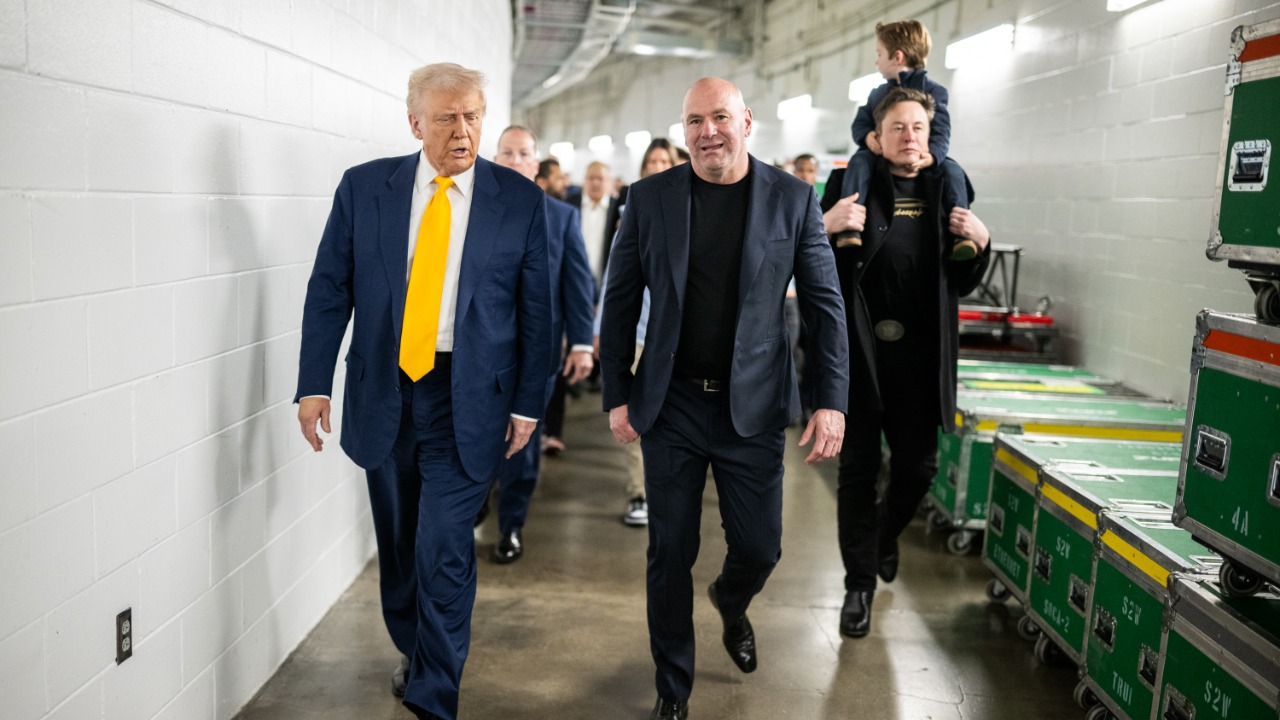
Dana White’s association with Donald Trump is well-documented, dating back to UFC’s early days when Trump hosted events at his casinos. White’s vocal support for Trump was evident during the presidential campaigns, where he made appearances at rallies and delivered public endorsements. This bond is further illustrated by White’s participation in events at the White House during Trump’s tenure.
While White’s relationship with Trump has been beneficial in terms of media attention, it also poses potential risks to UFC’s brand image. The perception of UFC as politically aligned with a figure as polarizing as Trump could alienate certain demographics, particularly as sports organizations strive to remain neutral and inclusive. This association may not sit well with all stakeholders, prompting concerns about the impact on current and future business partnerships.
Market and Audience Perception
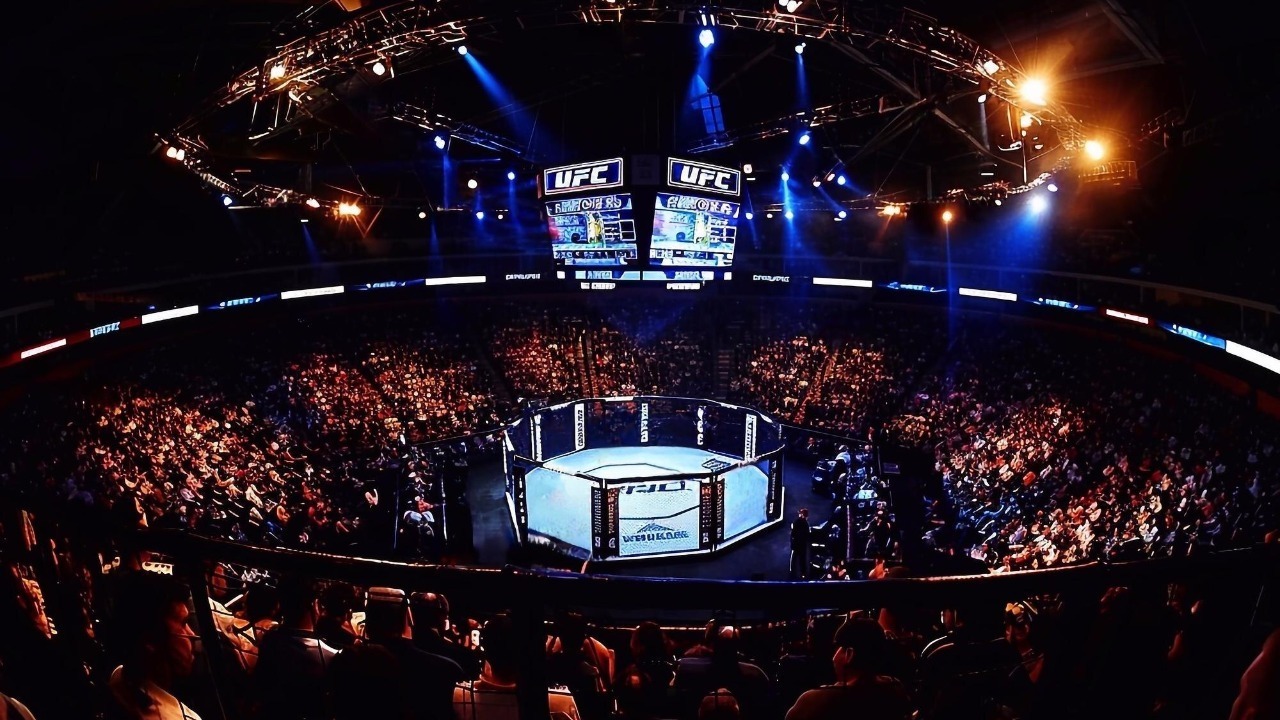
UFC’s audience demographics are diverse, ranging from younger millennials to older combat sports enthusiasts. Understanding how these groups perceive White’s political ties is crucial for maintaining fan loyalty. Research suggests that while some segments of the audience may appreciate White’s candidness, others could be turned off by overt political affiliations.
In contrast to other sports organizations that have faced backlash for political stances, UFC’s association with Trump is unique due to White’s outspoken support. For instance, the NBA faced criticism for its handling of political issues, highlighting the delicate balance sports organizations must maintain. The potential for fan viewership shifts due to political factors remains a concern, making it imperative for UFC to navigate these waters carefully.
Business Implications and Risks
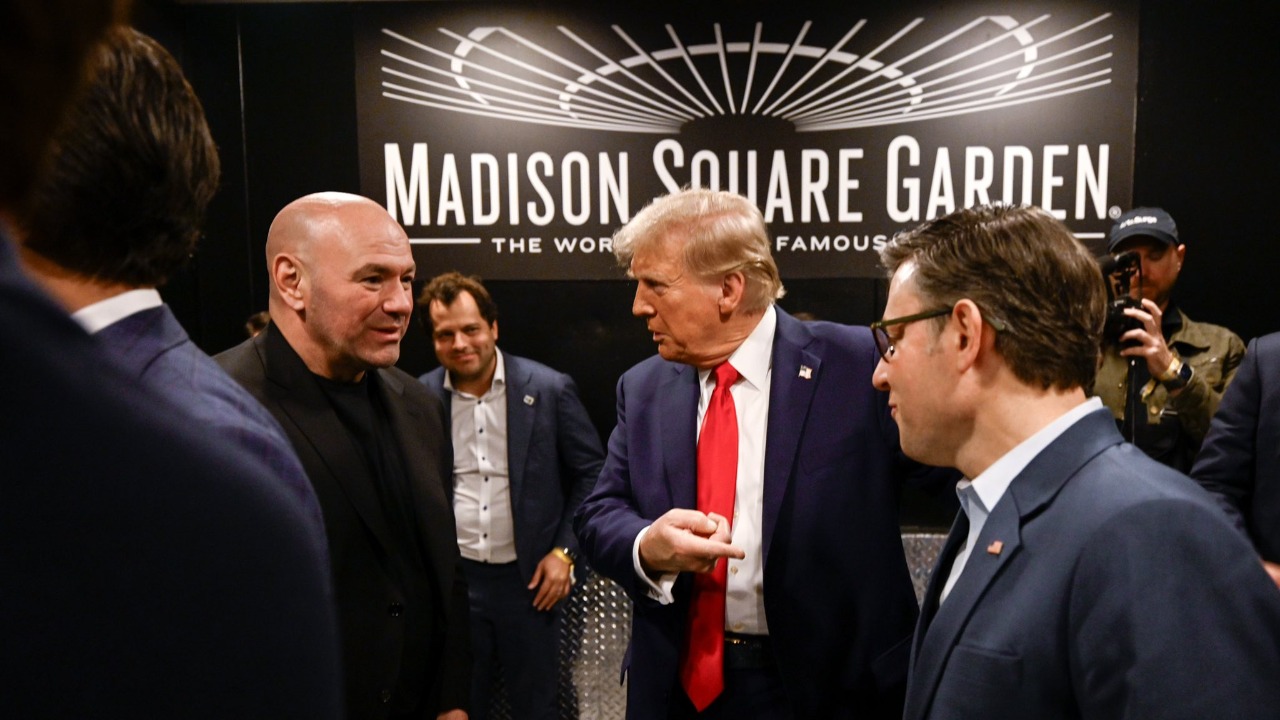
White’s association with Trump could influence UFC’s business relationships, particularly in securing sponsorships and endorsements. Brands often seek to partner with organizations that align with their values, and any perceived political bias could deter potential sponsors. This is especially relevant in an era where corporate social responsibility plays a significant role in business decisions.
Paramount, as a key partner, may also have concerns about the political implications of White’s ties. The media giant will likely weigh the benefits of the partnership against potential brand risks, particularly if public sentiment shifts significantly. To mitigate these risks, UFC might consider adopting strategies to emphasize its commitment to diversity and inclusivity, distancing itself from any singular political narrative.
Navigating the Political Landscape in Sports
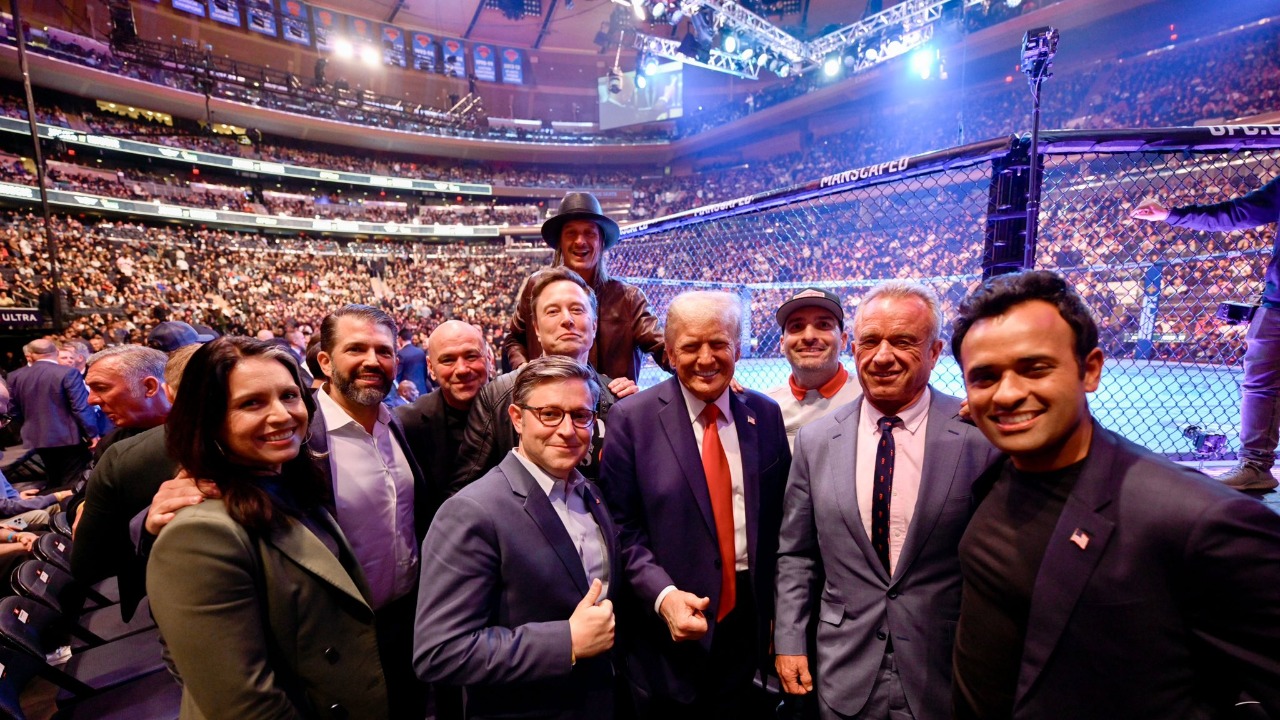
Examining other sports figures and organizations with political ties offers valuable insights. For example, the NFL faced challenges with its handling of player protests, leading to varied audience reactions. These case studies underscore the importance of maintaining a balance between personal beliefs and organizational values in the sports industry.
Sports have long served as platforms for political expression, but this dual role can complicate business operations. The key for UFC will be to uphold its brand identity without letting external political affiliations overshadow its core mission. As the organization moves forward, it will need to carefully navigate this complex landscape, ensuring that its strategic goals align with both fan expectations and corporate partnerships.
Ultimately, the UFC stands at a crossroads, with the potential to redefine its place in the global sports ecosystem. By leveraging its new partnership with Paramount while thoughtfully addressing the challenges posed by Dana White’s political associations, the organization can continue to thrive and expand its influence in the world of combat sports.

Grant Mercer covers market dynamics, business trends, and the economic forces driving growth across industries. His analysis connects macro movements with real-world implications for investors, entrepreneurs, and professionals. Through his work at The Daily Overview, Grant helps readers understand how markets function and where opportunities may emerge.

