
Retirement should be a time of relaxation and enjoyment, but financial missteps can turn it into a period of stress and worry. Many people unknowingly make mistakes that significantly reduce their savings. Understanding these pitfalls can ensure a more secure financial future.
Failing to Start Saving Early

One of the most common mistakes is delaying the start of retirement savings. The power of compound interest is remarkable, and the earlier you start, the more you benefit. For example, if you begin saving at 25 and invest $200 a month with a 7% annual return, you’ll have over $500,000 by age 65. Waiting until you’re 35 means you’ll need to contribute twice as much to reach the same goal.
Starting early also provides a buffer for market fluctuations. If you start later, you might be tempted to take more risks to catch up, which could backfire. Bankrate discusses the importance of starting early to avoid costly mistakes.
Underestimating Healthcare Costs

Healthcare costs are a significant expense during retirement, and many underestimate the amount they’ll need. According to some estimates, a retired couple might need over $300,000 just for medical expenses. This doesn’t even account for long-term care, which can be a substantial addition to monthly costs.
Medicare only covers a portion of healthcare expenses, so it’s crucial to plan for out-of-pocket costs. Consider supplemental insurance or a health savings account (HSA) to cover these expenses. Second Wind Movement highlights the importance of preparing for these expenses.
Ignoring Inflation’s Impact

Inflation can erode the purchasing power of your savings. If your investments don’t outpace inflation, you may find that your money doesn’t go as far as you had planned. For instance, what costs $50,000 today might cost over $80,000 in 20 years with a 2.5% inflation rate.
To combat inflation, ensure your retirement portfolio includes assets that typically outpace inflation, like stocks or real estate. Ignoring inflation now can lead to a reduced standard of living later. This concept is explored in more detail in various financial planning resources.
Overlooking Employer 401(k) Matches

Many employers offer 401(k) matching contributions, effectively free money for your retirement savings. However, it’s surprising how many people fail to take full advantage of this benefit. By not contributing enough to get the full match, you’re leaving money on the table.
Make it a priority to contribute at least enough to get the full employer match. Over time, these contributions can significantly boost your retirement savings. Learn more about how failing to leverage employer benefits can impact your financial future.
Taking Social Security Too Early
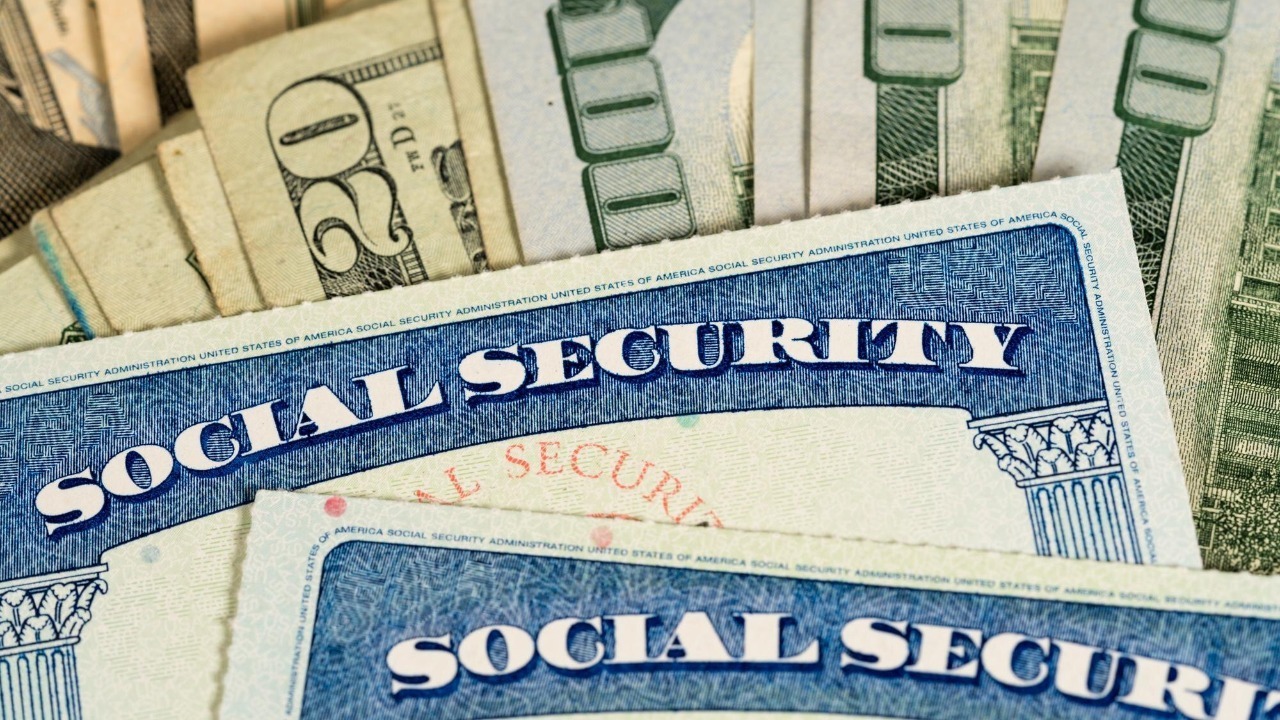
While you can start taking Social Security benefits at age 62, doing so results in a permanent reduction in your monthly income. Waiting until your full retirement age, or even 70, can increase your monthly benefits significantly.
Deciding when to take Social Security should be part of a broader retirement strategy. Consider factors like your health, financial needs, and other income sources before making a decision. This is a critical component discussed in retirement planning books like this one.
Not Diversifying Investments

Diversification is crucial in managing investment risk. Relying too heavily on one type of asset, like stocks, can make your portfolio vulnerable to market downturns. A mix of stocks, bonds, and other assets can provide a better balance between risk and reward.
Consider your risk tolerance and retirement timeline when allocating assets. Diversification can help ensure that a decline in one investment doesn’t derail your entire retirement plan.
Withdrawing from Retirement Funds Prematurely

Withdrawing from retirement accounts before reaching retirement age can have significant tax consequences and penalties. Not only do you reduce the amount available for retirement, but you also diminish the potential for growth.
It’s essential to have other sources of emergency funds to avoid tapping into retirement savings early. Understanding the implications of early withdrawal can prevent costly mistakes.
Neglecting to Update Estate Plans

Life changes such as marriage, divorce, or the birth of a child can impact your estate plans. Failing to update beneficiary designations and wills can lead to unintended consequences.
Regularly review and update your estate plans to ensure they reflect your current wishes and family situation. This proactive step can prevent legal challenges and ensure that your assets are distributed according to your desires.
Misjudging Longevity

Many retirees underestimate how long they will live, leading to the risk of outliving their savings. With advancements in healthcare, it’s not uncommon to live well into your 90s or beyond.
Plan for a longer retirement by saving more and considering annuities or other income streams that provide lifetime payouts. This foresight can help ensure financial stability throughout your retirement years.

Nathaniel Cross focuses on retirement planning, employer benefits, and long-term income security. His writing covers pensions, social programs, investment vehicles, and strategies designed to protect financial independence later in life. At The Daily Overview, Nathaniel provides practical insight to help readers plan with confidence and foresight.