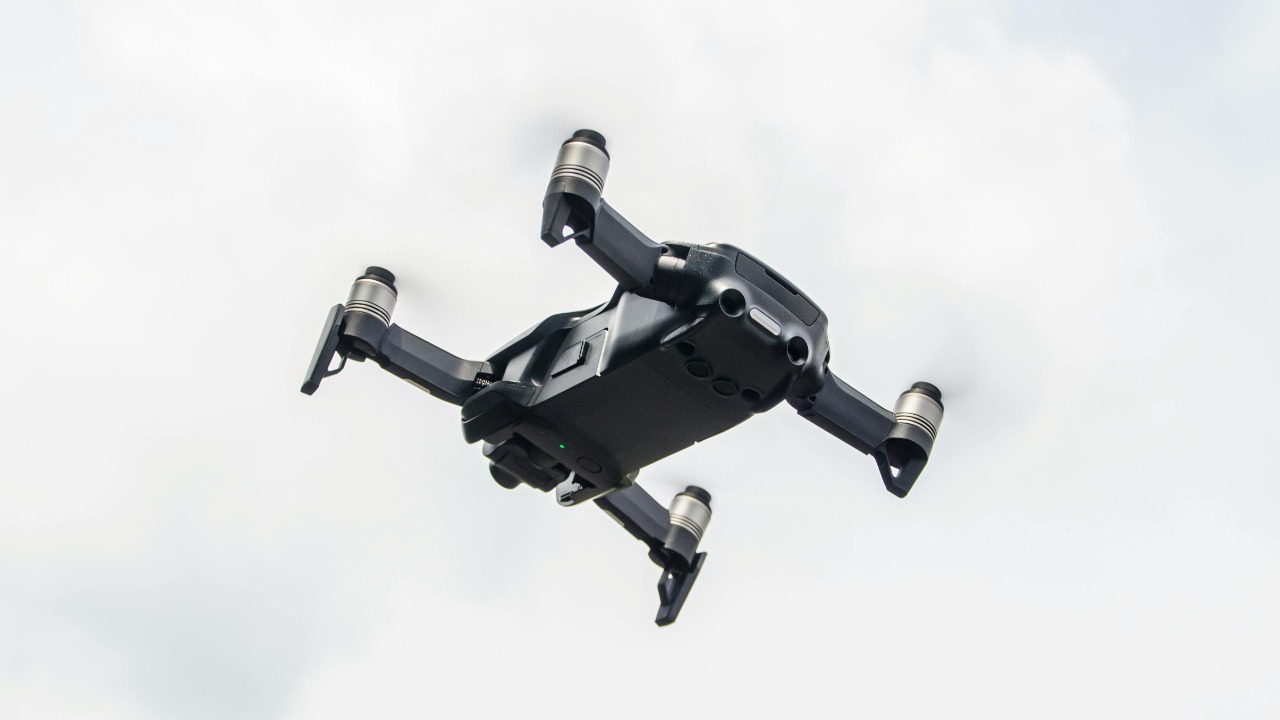
Ukraine’s interceptor drones are reshaping the landscape of aerial warfare, capturing NATO’s attention as of October 18, 2025. This shift comes amid a surge in innovative, low-cost defenses against aerial threats. Just a day earlier, Ukraine secured a significant $113 million air defense boost to enhance these capabilities, marking a pivotal moment in the evolution of military strategy. This development underscores a broader trend toward leveraging affordable technology to counter high-end aggressors in the skies.
The Emergence of Cost-Effective Interceptor Drones
Ukraine’s interceptor drones stand out for their low-cost design, which allows for widespread deployment across contested airspace. These drones are equipped with advanced features such as autonomous targeting and swarm tactics, enabling them to effectively counter sophisticated threats. By integrating these drones into their defense strategy, Ukraine has achieved notable operational successes, demonstrating their viability against advanced aerial threats.
Technological innovations play a crucial role in the effectiveness of these drones. Autonomous targeting systems allow the drones to identify and engage targets without human intervention, while swarm tactics enable multiple drones to work together to overwhelm enemy defenses. These capabilities make the drones a formidable addition to Ukraine’s military arsenal, providing a cost-effective solution to counter high-tech adversaries.
Securing the $113 Million Air Defense Boost
On October 17, 2025, Ukraine announced a major $113 million air defense boost, aimed at enhancing its interceptor drone production and related systems. This funding is expected to address immediate gaps in Ukraine’s aerial defenses, with projections for increased drone output in the coming months. The financial support underscores the strategic importance of these drones in Ukraine’s defense strategy.
International partnerships have been instrumental in delivering this financial support. Key donors have strategic motivations for supporting Ukraine’s defense capabilities, recognizing the potential impact of these drones on the broader security landscape. This boost not only strengthens Ukraine’s defenses but also signals a shift in how nations approach air defense, moving away from traditional high-expense models.
NATO’s Response to Ukraine’s Drone Innovations
NATO has taken notice of Ukraine’s interceptor drones, recognizing their implications for collective defense. Alliance officials have acknowledged the potential of these drones to enhance NATO’s own defense capabilities, prompting discussions on joint exercises and technology sharing. This interest reflects a broader shift in NATO’s approach to air warfare, inspired by Ukraine’s low-cost, high-impact strategy.
The broader impact on NATO doctrines is significant, as these drones challenge traditional high-expense air defense models. By adopting similar technologies, NATO could enhance its defense capabilities while reducing costs, making it more agile and responsive to emerging threats. This shift could redefine the alliance’s approach to air warfare, emphasizing innovation and cost-effectiveness.
Shifting Tactics in the Air War
Ukraine’s interceptor drones are rewriting the air war playbook through asymmetric warfare tactics. By deploying these low-cost drones, Ukraine has shifted away from reliance on expensive missiles, demonstrating the potential of drones to counter high-tech adversaries. This approach not only enhances Ukraine’s defense capabilities but also poses new challenges for adversaries, increasing risks to manned aircraft and ballistic threats.
The proliferation of drones in Ukraine’s defense strategy highlights a broader trend toward drone-centric warfare. As nations recognize the potential of these technologies, the landscape of aerial conflicts is likely to evolve, with drones playing an increasingly central role. This shift underscores the importance of innovation in military strategy, as nations seek to leverage new technologies to gain an edge in the skies.
For more details on Ukraine’s interceptor drones and their impact on air defense, visit Business Insider. To learn about the recent air defense boost, see the full report on MSN.

Grant Mercer covers market dynamics, business trends, and the economic forces driving growth across industries. His analysis connects macro movements with real-world implications for investors, entrepreneurs, and professionals. Through his work at The Daily Overview, Grant helps readers understand how markets function and where opportunities may emerge.

