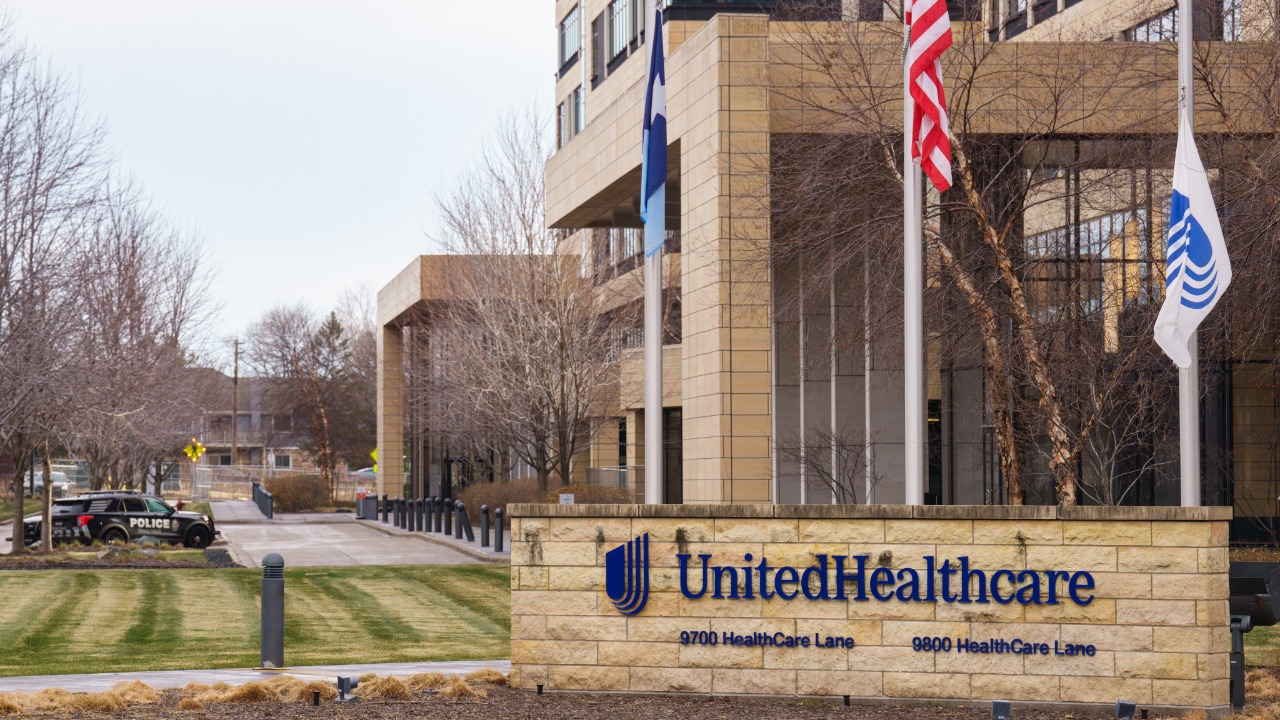
UnitedHealth is preparing to shed roughly one million people from its Medicare Advantage business, a shift that will ripple through seniors’ coverage choices and the broader private Medicare market. The company is not simply trimming at the margins, it is actively pulling back from markets and products that no longer fit its financial strategy, even as enrollment in Medicare Advantage keeps growing nationally. For older Americans who have come to rely on these plans for extra benefits and predictable costs, the change raises urgent questions about what coverage will look like in 2026 and beyond.
At the heart of this retrenchment is a deliberate decision to prioritize profitability over raw membership growth, a pivot that will test how far a dominant insurer can push before regulators and consumers push back. I see this as a stress test of the entire Medicare Advantage model: if one of the largest players decides that a million members are not worth keeping, it signals deeper tensions between government payment formulas, rising medical costs, and the rich benefit packages that have made these plans so popular.
The one‑million member pullback, explained
UnitedHealth has been clear that it expects its Medicare Advantage enrollment to shrink by about one million people as it resets its portfolio for 2026. The company signaled this shift when it said it anticipates a significant decline in Medicare Advantage membership, even as its overall financial outlook improves, tying the drop directly to higher prices and reduced benefits that are designed to restore margins in its core business. In reporting from Eden Prairie, the company’s home base, UnitedHealth described how its Medicare Advantage enrollment outlook for 2026 is being cut at the same time it raises its profit expectations, a juxtaposition that underscores how aggressively it is willing to trade scale for earnings in Medicare Advantage.
The company’s own turnaround blueprint makes that tradeoff explicit. In a three‑year plan described as Shedding Low, Return Lives To Rebuild Profitability, UnitedHealth lays out how it will intentionally lose about one million Medicare Advantage members who are considered “low‑return lives.” The logic is straightforward: by exiting unprofitable segments and tightening benefits, the company expects to rebuild margins and “restore swagger” over a three‑year horizon, even if that means a smaller Medicare Advantage footprint in the near term. For investors, that may sound like discipline. For the people whose coverage is being redesigned or discontinued, it feels like a forced march into a new and less generous landscape.
Market exits and the 16‑market retreat
Behind the enrollment math is a geographic shakeup that will leave entire communities without UnitedHealth Medicare Advantage options. The company has already confirmed that it will fully exit Medicare Advantage plans in 16 United States markets for the 2026 plan year, a move that will pull its products off the shelf for every beneficiary in those areas. Reporting on this decision, dated Oct 1, 2025, describes how the insurer is stepping away from those 16 markets as part of a broader Life and Health strategy, effectively conceding that some local Medicare Advantage operations no longer meet its performance thresholds. For affected counties, the retreat is not theoretical, it means that long‑standing plans will simply not be available when seniors shop for coverage in Medicare Advantage for 2026.
Those exits do not happen in a vacuum. They land in a market where, according to industry analysis of Plan Exits and Closures, more than 1.8 m Medicare Advantage members are enrolled in 2024 plans that will not be offered in 2025. That figure, 1.8 m, captures a broader churn in which insurers across the country are pruning underperforming products, consolidating offerings, or closing plans outright. UnitedHealth’s 16‑market withdrawal slots into that pattern, but because of the company’s size, its decisions can reshape local competition, leaving some regions with fewer choices and others with a sudden influx of rival plans eager to scoop up displaced members in 2026.
How the cuts fit into a national Medicare Advantage shakeup
UnitedHealth’s retrenchment is part of a larger recalibration in private Medicare, where carriers are responding to tighter government payments and rising care costs by redesigning benefits and, in some cases, walking away from entire products. Earlier analysis of More Medicare Advantage offerings in 2025 shows that plan exits and closures are affecting millions of people, not just those tied to a single insurer. When more than 1.8 m members are told that their 2024 plans will not exist in 2025, it signals that the era of ever‑richer benefits and relentless expansion is giving way to a more cautious phase, where insurers scrutinize every county and contract for profitability.
UnitedHealth’s own enrollment projections reinforce that story. In coverage dated Oct 27, 2025, the company is described as cutting its Medicare Advantage enrollment outlook for 2026, even as it raises its financial guidance for the year. The reporting notes that UnitedHealth Group expects Medicare Advantage enrollment to shrink by 1M, and that this contraction is tied to higher prices and reduced benefits in its Health Care segment, including Medicare Adv products that no longer meet its return targets. A separate account, dated Oct 28, 2025, details how UnitedHealth projects 1 million‑member drop in Medicare Advantage enrollment, with the company positioning the decline as a necessary step toward further improvements in 2027. Taken together, these reports show a deliberate national strategy: shrink now, stabilize margins, and then grow again on a more profitable base.
What this means for seniors choosing coverage
For the people actually enrolled in these plans, the corporate strategy translates into a scramble to avoid coverage gaps. When a Medicare Advantage plan exits a county or a company pulls out of a market, affected members are typically given a special enrollment window to choose a new plan or return to traditional Medicare. But the choices available in that window may look very different from what they are losing, especially if the departing plan offered richer supplemental benefits like dental, vision, or gym memberships. Industry data showing that more than 1.8 m members are in plans that will not be offered in 2025 illustrates how many seniors are already being forced to navigate this churn, and UnitedHealth’s one‑million member pullback will add another wave of disruption in 2026.
UnitedHealth has tried to frame some of these changes as routine adjustments. A consumer‑facing explainer on Important Changes to UnitedHealthcare Medicare Advantage Plans for 2025, dated Nov 10, 2024, describes how the company “periodically” updates its offerings and encourages members to review “What” is “Changing” so they can decide whether to stay put or enroll in another Medicare Advantage option. That language may be technically accurate, but from a member’s perspective, the stakes are far from routine. Losing a familiar plan can mean losing access to a trusted doctor, facing new prior authorization rules, or seeing out‑of‑pocket costs spike, especially for expensive drugs or complex conditions. I see the coming year as a critical test of how well seniors can navigate these shifts with the information and support they are given.
UnitedHealth’s long game and the future of private Medicare
UnitedHealth is not hiding the fact that its Medicare Advantage pullback is part of a long game. The three‑year roadmap described as Return Lives To Rebuild Profitability spells out a sequence: shed low‑return lives now, rebuild margins, and then pursue growth from a stronger financial position. The company is effectively betting that it can afford to lose one million Medicare Advantage members in the short term because the remaining book of business will be more sustainable and more lucrative. That strategy assumes that regulators will tolerate the contraction, that competitors will not permanently capture the best markets, and that seniors will continue to see Medicare Advantage as an attractive alternative to traditional Medicare even as benefits are trimmed.
At the same time, UnitedHealth is still marketing a wide range of Medicare products, signaling that it has no intention of abandoning the space altogether. Its public Medicare portal highlights the breadth of Medicare options it offers, from Medicare Advantage plans to stand‑alone Part D drug coverage and Medicare Supplement policies. The contrast between that expansive menu and the behind‑the‑scenes pruning of low‑return lives captures the tension at the heart of private Medicare today. I see UnitedHealth’s one‑million member reduction not as an isolated event, but as an early indicator of how the sector will adapt as payment pressures intensify: fewer marginal markets, leaner benefits, and a sharper focus on profitability, even if that means telling a significant number of seniors that their current plan no longer fits the business model.
More From TheDailyOverview
- Dave Ramsey says these two simple questions show whether you’re rich or poor
- Retired But Want To Work? Try These 18 Jobs for Seniors That Pay Weekly
- IRS raises capital gains thresholds for 2026 and what’s new
- 12 ways to make $5,000 fast that actually work

Nathaniel Cross focuses on retirement planning, employer benefits, and long-term income security. His writing covers pensions, social programs, investment vehicles, and strategies designed to protect financial independence later in life. At The Daily Overview, Nathaniel provides practical insight to help readers plan with confidence and foresight.

