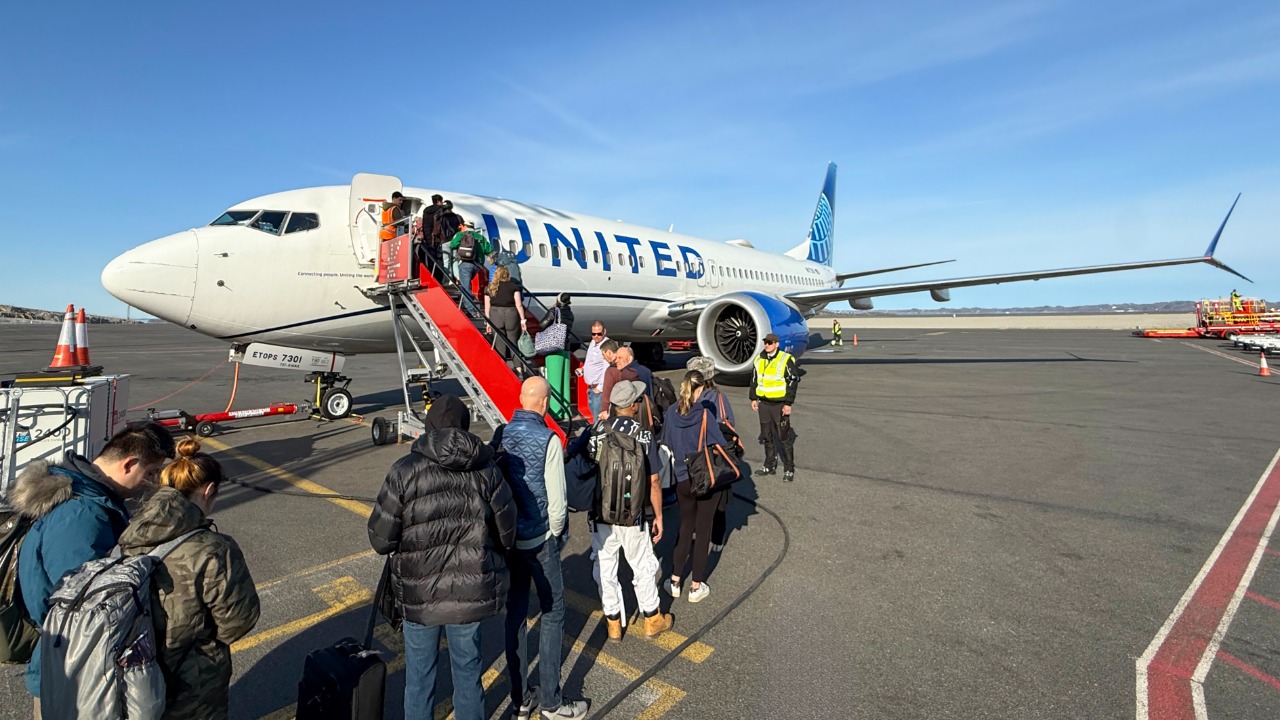
United Airlines Holdings Inc. is restructuring its MileagePlus loyalty program so that the most valuable earning rates and award discounts apply only to co-branded credit cardholders. The changes take effect for tickets purchased on or after April 2, 2026, and they will cut mileage accrual rates for members who do not carry a United card. For the millions of travelers who fly United without a co-branded card in their wallet, the question is straightforward. Does signing up justify the annual fee?
What Changes on April 2, 2026
The core shift is simple but significant. Starting with tickets purchased on or after April 2, 2026, primary United MileagePlus credit, debit, or co-branded cardholders will earn up to roughly twice the miles per dollar spent on flights compared with non-cardholders. A general MileagePlus member with a card will earn 6 miles per dollar, while a general member without one will earn just 3 miles per dollar. At the top of the elite ladder, 1K status holders with a card will earn 12 miles per dollar versus 9 miles for those without, according to industry coverage that details the revised earning chart.
The gap widens further on award redemptions. Primary cardholders receive at least 10% off award tickets, and Premier members who also hold a card get at least 15% off. Perhaps the most consequential detail for budget-conscious flyers is that Basic Economy mileage earning will become gated. General members who do not hold a United card will no longer earn miles on Basic Economy fares at all. That effectively turns the cheapest ticket class into a loyalty dead zone for anyone without the right piece of plastic, and it marks a clear dividing line between customers United wants to steer toward co-branded cards and those it is willing to leave outside the loyalty tent.
Who Qualifies and Who Gets Left Out
The benefits are tied specifically to being the primary cardholder, not an authorized user. That distinction matters for households where one person carries the card and adds a spouse or partner as a secondary user. Authorized users will not receive the higher flight-earning rates, a constraint that consumer analysts have highlighted as a potential pain point. United does offer family-linking mechanics that allow parents to connect a child’s MileagePlus account, but the earning-rate boost still flows through the primary cardholder designation rather than through household membership alone, limiting how far one account can stretch across a family’s travel.
This creates a practical gap for families. If two adults in the same household both fly United regularly, each would need to be a primary cardholder on a separate account to unlock the doubled earning rates. The family-linking option helps consolidate miles for children but does not solve the authorized-user limitation. For couples splitting travel across two accounts, the annual fee math doubles as well. Households that previously relied on a single premium card to cover everyone’s needs may now face a choice between upgrading a second person to primary status or accepting lower earning rates and fewer award discounts for part of their travel.
The Card Lineup and Fee Structure
Chase, United’s card-issuing partner, has refreshed the co-branded portfolio with new and enhanced benefits across four tiers: Explorer, Quest, Club Infinite, and Business variants. The refresh includes expanded lounge access for higher-tier cards and additional travel protections, according to Chase communications outlining the updated features. Annual-fee changes have explicit timing differences for new applicants versus existing cardmembers, with staged effective dates stretching from 2025 into 2026. New applicants face updated fee schedules sooner, while current cardholders see adjustments on a delayed timeline tied to their renewal dates, adding another layer of complexity to the decision about when to apply or upgrade.
The tiered structure means the “is it worth it” calculation depends heavily on which card a traveler picks. An Explorer card carries a lower annual fee and delivers the baseline cardholder earning rate of 6 miles per dollar for general members. The Club Infinite card costs more but bundles United Club lounge access and higher per-dollar returns that appeal to frequent international travelers and business flyers. For infrequent flyers who book a handful of domestic trips per year, the entry-level card may be enough to avoid the Basic Economy mileage cutoff and secure modest award discounts. Road warriors flying weekly will likely find the premium tiers pay for themselves through the 10% to 15% award discount alone, especially if they regularly redeem for long-haul or last-minute tickets where miles stretch further.
A Bet on High-Value Customers
Recent reporting frames United’s overhaul as a deliberate move to concentrate rewards on customers who deepen their relationship through card spending. That framing captures the strategic logic: United is prioritizing travelers who generate the most ancillary revenue via swipe fees and co-brand partnerships, rather than distributing miles evenly across all fare classes. The airline’s proxy materials point back to its 2024 Form 10-K, which provides the financial backdrop for how co-brand card revenue fits into United’s broader earnings picture and underscores the importance of loyalty economics to its long-term strategy.
Most coverage of this announcement has focused on what cardholders gain. But the more telling story is what non-cardholders lose. A general member flying Basic Economy without a card will earn zero miles on those fares after April 2, 2026. That is not a reduced rate or a modest penalty. It is a complete shutout from the loyalty ecosystem on the airline’s cheapest product. United is betting that this pressure will push fence-sitters into applying for cards, boosting the co-brand revenue stream that airlines increasingly depend on. The risk is that casual leisure travelers, the ones most likely to book Basic Economy, simply stop caring about MileagePlus and start price-shopping across carriers with no loyalty attachment at all. That could erode some of the soft benefits that a broad, engaged member base can provide.
Does the Card Pay for Itself?
The math favors frequent flyers and penalizes occasional travelers. Consider a general member who spends $3,000 per year on United tickets. Without a card, that traveler would earn 9,000 miles at the new 3x rate. With a card, the same spend generates 18,000 miles at 6x, plus access to at least a 10% discount on award tickets. If that member redeems for an itinerary that would otherwise cost 25,000 miles, the discount could shave 2,500 or more miles off the price, effectively increasing the value of each earned mile. Over a couple of years, the incremental miles and lower redemption costs can offset a mid-tier annual fee, particularly if the traveler also takes advantage of ancillary perks like free checked bags or priority boarding that reduce out-of-pocket costs.
For low-frequency flyers, the equation looks different. A traveler who flies United once or twice a year on discounted Basic Economy fares and spends $800 annually on tickets might earn 2,400 miles without a card under the old structure, but will earn zero on those same fares after April 2, 2026. Adding a card would restore earning and unlock discounts, yet the total annual mileage haul may still fall short of what is needed for meaningful redemptions. In that scenario, the annual fee can feel like a pure cost unless the card’s non-mileage benefits, such as trip protections, bag fee waivers, or partner offers, carry independent value. Media organizations that distribute airline announcements through platforms like newsroom portals and syndication tools have emphasized that travelers need to run their own numbers, while accessibility-focused services such as specialized interfaces aim to ensure that even occasional flyers can review these shifting terms in formats that match their needs. Ultimately, United’s reworked MileagePlus is designed to reward those willing to deepen their financial relationship with the airline—and to make everyone else think harder about whether loyalty still pays.
More From The Daily Overview
*This article was researched with the help of AI, with human editors creating the final content.

Cole Whitaker focuses on the fundamentals of money management, helping readers make smarter decisions around income, spending, saving, and long-term financial stability. His writing emphasizes clarity, discipline, and practical systems that work in real life. At The Daily Overview, Cole breaks down personal finance topics into straightforward guidance readers can apply immediately.
