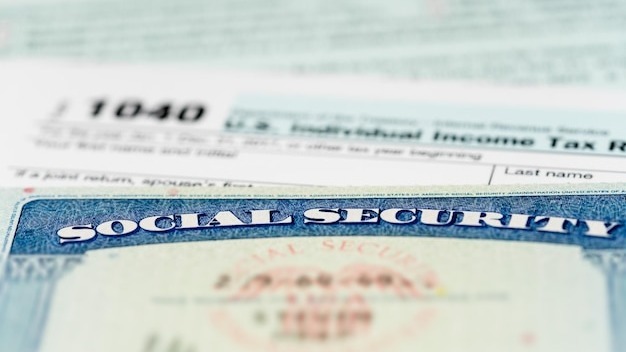
The federal government has quietly approved a new data‑sharing rule that could expose the international movements of millions of people who rely on Social Security. Instead of asking travelers to report every trip, the Social Security Administration is turning to Department of Homeland Security records to see who is leaving and reentering the country. For retirees, disabled workers and survivors who depend on these checks, the change raises a sharp question: how much of your travel will now be visible to Washington, and what happens if the data does not match your story?
What changed in January and who is affected
The core shift arrived in early Jan, when the Social Security Administration updated its internal rules on how it verifies whether beneficiaries are outside the United States. Rather than relying mainly on self‑reported information, the agency will now tap into travel data collected by the Department of Homeland Security, including records from Immigration and Customs Enforcement, or ICE, to confirm when people on Social Security cross the border. According to one regulatory summary, the update impacts millions of beneficiaries whose payments can be affected by extended time abroad, and it explicitly leans on information already gathered by DHS about entries and exits to the country, a change that effectively turns border records into a routine eligibility check for federal benefits, as detailed in one Jan analysis.
What makes this move so significant is how quietly it arrived and how broad the reach could be. A separate description of the same change notes that a quiet regulatory update by Social Security now allows the agency to systematically use DHS and Immigration and Customs Enforcement travel data to monitor whether beneficiaries are outside the country long enough to trigger payment limits, a shift framed around program integrity but one that inevitably expands the government’s visibility into personal movement for anyone who depends on these checks, as another Social Security report explains.
How Social Security already treats foreign travel
To understand why the agency wants more precise travel data, it helps to look at how payments work once someone leaves the country. Under long‑standing rules, many beneficiaries can keep receiving checks while abroad, but only if they meet specific conditions and do not stay away too long. Official guidance explains that if you leave the United States for more than 30 days in a row, Social Security starts counting full calendar months of absence, and certain categories of recipients can see their payments stop after they have been outside the country for six consecutive months, a structure laid out in the agency’s own description of payments outside the U.S.
The same guidance clarifies that the clock does not start immediately when you board a plane. The agency will not begin counting those calendar months of absence until you have been outside the United States for more than 30 days in a row, and once that threshold is crossed, it tracks how long you remain abroad to determine whether benefits can continue. In practice, that means a retiree who spends a few weeks visiting family overseas faces different consequences than someone who relocates for most of the year, and the new reliance on DHS border records is meant to give Social Security a more exact picture of when that 30‑day and six‑month line is crossed, as reflected in the section that explains what happens if you leave the U.S. for an extended period.
Disability benefits, SSI and the new tracking rule
The stakes are especially high for people on disability benefits, because the rules for travel are more restrictive for some programs than for others. The Social Security Administration operates two distinct disability systems, Social Security Disability Insurance and Supplemental Security Income, and both SSDI and SSI recipients can move or travel between states without automatically losing eligibility, although a change in residence can affect a recipient’s SSI benefit because that program is tied closely to state‑level cost of living and support, as explained in a guide that asks whether you can Move States While on disability.
International travel is a different story, particularly for SSI. One legal overview notes that SSDI and SSI travel rules diverge sharply once someone leaves the country, and under SSI travel restrictions, payments can stop if a recipient is outside the United States for 30 consecutive days and will not resume until the person has been back in the country for a full 30 days following that period, a strict standard that makes accurate tracking of departure and return dates central to whether low‑income disabled people keep their checks, as detailed in a breakdown of SSI Travel Restrictions and where you can go.
What DHS data sharing actually means for your movements
The new rule does not create a fresh database of travelers so much as it opens a new window into an existing one. DHS already collects extensive information on people entering and leaving the country, and the Social Security update explicitly authorizes the agency to use that data to verify whether beneficiaries are abroad long enough to affect their payments. One detailed explanation notes that the update impacts millions of Social Security recipients and that the data used to check their status comes directly from DHS border records, a shift that moves the system away from relying on self‑reported travel and toward automated cross‑checks of government files, as described in a separate Will analysis of the change.
Another breakdown of the policy emphasizes that the data is to be used to confirm whether beneficiaries are outside the country for periods that matter under Social Security law, and it also notes that there are ways to protect yourself, including keeping your own records of travel and making sure the agency has accurate contact information in case questions arise. That same report frames the change as a way to reduce overpayments and fraud, but it also acknowledges that the expanded use of DHS and ICE information means more routine monitoring of movement for people whose only connection to the immigration system is a vacation or a long stay with relatives abroad, a tension highlighted in a discussion of how your movement might now be monitored.
Practical steps before you book your next trip
For most beneficiaries, the immediate question is not abstract privacy but whether a trip will disrupt their income. Disability attorneys stress that travel within your home state does not trigger special reporting requirements, and you do not need to notify Social Security about in‑state travel regardless of its duration, but they also warn that international travel requires more planning, including keeping a record of your travel dates and destination countries so you can answer questions if the agency flags your file based on border data, advice laid out in a guide that discusses SSDI and International travel concerns.
It is also worth making sure your contact and payment details are up to date before you leave. One union‑focused Q&A on broader Social Security policy changes urges beneficiaries to consider reviewing the mailing address and direct deposit information that SSA has on file so the agency can adjust benefits correctly and reach you if there is an issue, a simple step that becomes more important when eligibility is being checked against external databases, as noted in guidance that tells recipients to Consider their SSA records.
Finally, the timing of the rule change matters for anyone planning extended travel this year. A detailed financial explainer notes that in early January the SSA updated its Evidence of Foreign Travel rules to formalize the use of DHS and Immigration and Customs Enforcement data, and it frames the move as part of a broader effort to tighten oversight of payments as of December 2025, when the agency’s rolls included tens of millions of beneficiaries whose eligibility can hinge on where they live and how long they are abroad, context that underscores why the agency is now leaning on In early Jan updates and on As of December caseload figures to justify closer scrutiny.
More From TheDailyOverview
*This article was researched with the help of AI, with human editors creating the final content.

Nathaniel Cross focuses on retirement planning, employer benefits, and long-term income security. His writing covers pensions, social programs, investment vehicles, and strategies designed to protect financial independence later in life. At The Daily Overview, Nathaniel provides practical insight to help readers plan with confidence and foresight.

