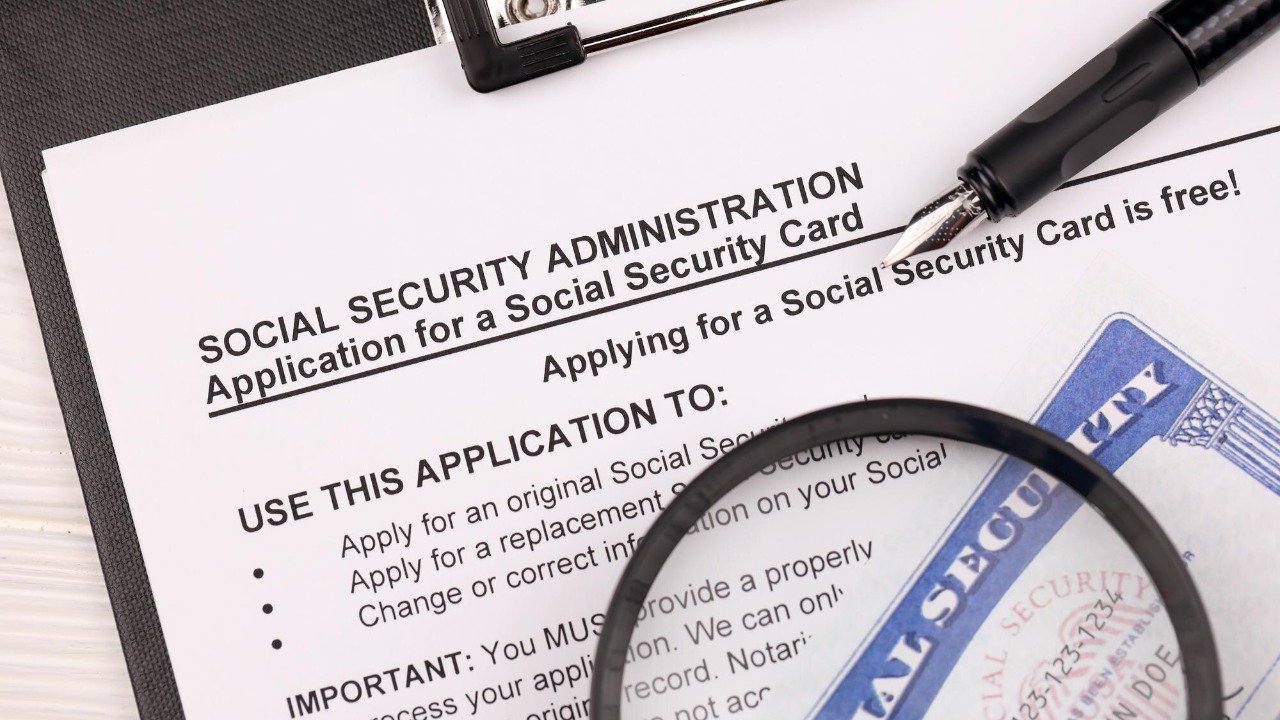
The Social Security Administration has formally expanded the types of personal data it can share with the Department of Homeland Security, adding new routine uses that permit disclosure of citizenship and immigration information for holders of Social Security numbers. The change, published in the Federal Register on November 12, 2025, modifies the privacy architecture governing one of the largest federal record systems in the country. For millions of people who depend on Social Security benefits or who simply hold an SSN, the rule introduces a new channel through which their records can flow to DHS for immigration and citizenship verification purposes.
What the New Federal Register Notice Actually Changes
The SSA published a modified system notice for its master file of Social Security number holders, formally updating System of Records 60-0058 in a Federal Register entry that adds DHS-focused routine uses. In Privacy Act terms, a “routine use” is the legal hook that allows an agency to disclose records for a compatible purpose without getting consent each time. The new language explicitly authorizes disclosure of citizenship and immigration information to DHS, citing statutory authorities that include 8 U.S.C. 1373(a), a provision that prevents government entities from prohibiting communication with immigration enforcement about a person’s status.
A baseline version of the same system notice, published earlier in 2025, did not contain these DHS-specific pathways. That earlier notice, issued as a correction in February, described the core structure of system 60-0058 but stopped short of naming DHS as a recipient of citizenship and immigration fields under the routine-use framework. The contrast between the two versions underscores the scope of the November change: before it took effect, SSA lacked a formal Privacy Act mechanism for systematically routing citizenship data from SSN records to DHS. Public comments on the modification were solicited through docket SSA-2025-0225, but as of the notice’s publication date the agency had not released a response to those submissions, leaving outside observers to infer SSA’s reasoning from the legal citations and structural edits alone.
How DHS Plans to Use SSN Data at Scale
The SSA rule change is one piece of a broader technical shift inside DHS. U.S. Citizenship and Immigration Services has described an expansion of its Systematic Alien Verification for Entitlements database, explaining in a recent announcement that the SAVE program can now accept Social Security numbers as a primary input for verification. Previously, many SAVE checks depended on DHS-issued identifiers such as alien numbers, which limited the system’s reach when state or local agencies did not collect those fields. By allowing SSNs to drive queries, USCIS has effectively aligned SAVE with the most ubiquitous identifier in U.S. government records.
That same announcement highlighted new bulk-submission features and the removal of fees for using SAVE, lowering financial and administrative barriers for election officials and benefit agencies that want to run large volumes of checks. On the DHS side, a separate Privacy Act revision published in late October added SSA’s master SSN files as a record source for SAVE and broadened the system’s own routine uses for sharing and auditing. Together, these measures create a two-way administrative bridge: SSA now has explicit authority to send citizenship data out, and DHS has explicit authority to ingest that data into a verification engine that is already optimized for high-throughput queries. In practical terms, that means agencies with SAVE access can screen SSN holders against immigration records at a scale that was not contemplated in earlier system designs.
Executive Order 14248 and the Election Integrity Rationale
The policy backdrop for these moves is Executive Order 14248, issued in March 2025 under the banner of preserving election integrity. The order directed federal departments to coordinate on using existing databases to assess citizenship in connection with voter rolls and other election-related processes. USCIS has pointed to this directive when describing SAVE modernization, framing the use of SSNs and bulk tools as a way to help states keep ineligible noncitizens off registration lists. DHS, for its part, has cited the order as a justification for expanding data-sharing arrangements with other agencies, including SSA.
That top-level directive was followed by an April 2025 announcement that USCIS and the Department of Government Efficiency would overhaul the SAVE platform, signaling a modernization push before the privacy notices were updated. The timeline is notable: the executive order set the strategic goal in March; the SAVE overhaul was unveiled in April; DHS revised its own system notice in October; and SSA matched that step with its November modification. Each action stands on its own under the Privacy Act, but together they form a layered administrative record that advances a single objective—deploying federal data, including Social Security records, as infrastructure for citizenship verification in the name of election security.
What This Means for Benefit Recipients
For people receiving Social Security, the implications are indirect but real. Beneficiaries who are slated to receive a 2.8 percent cost-of-living increase in early 2026 now participate in a system where the records underlying their checks can be shared with DHS for immigration and citizenship verification. In many cases, that sharing may simply confirm that a person is a U.S. citizen or otherwise lawfully present, with no visible effect on their monthly payment. But the architecture also makes it possible for agencies that administer benefits to run SAVE checks on their rolls using SSNs, potentially flagging cases where immigration status is unclear or has changed.
For noncitizens who are lawfully entitled to certain benefits—such as some lawful permanent residents or refugees—the new data flows could translate into more frequent secondary verification. Existing rules already tie eligibility for Supplemental Security Income to both financial need and immigration status, as reflected in SSA regulations that explain how a person must be a resident and meet status requirements to qualify for SSI payments. With SAVE now better integrated and keyed to SSNs, caseworkers may lean more heavily on automated checks to confirm that status. That could help resolve some cases faster, but it could also generate mismatches if underlying immigration records are incomplete, outdated, or inconsistent with SSA’s own files.
Broader Data Governance and Oversight Questions
The expansion of SSA–DHS data sharing also raises questions about transparency and accountability. The Privacy Act requires agencies to publish system notices and describe routine uses, but those notices are dense legal documents that most beneficiaries will never read. Developers and researchers who want to understand how these systems function in practice often have to dig through technical documentation, such as the government’s own API materials for accessing regulatory text, to track how program rules evolve over time. That complexity makes it difficult for ordinary SSN holders to know when and how their data might be used in immigration or election-related checks.
At the same time, the SSA–DHS pipeline does not exist in isolation. It sits alongside other verification tools that already play a role in immigration and employment screening, including the federal employment eligibility system used by many employers. Processing backlogs in immigration benefits, tracked through USCIS’s own case-time reports, can leave people in limbo while their status is updated, increasing the risk that automated checks based on older records will misclassify them. As election officials, benefit agencies, and immigration authorities lean more heavily on interconnected databases, the stakes of those lags grow. The new SSA routine uses and the SAVE enhancements thus mark not just a technical adjustment, but a shift toward a more tightly coupled data environment in which errors, delays, and policy choices in one system can ripple quickly across others.
More From The Daily Overview
*This article was researched with the help of AI, with human editors creating the final content.

Nathaniel Cross focuses on retirement planning, employer benefits, and long-term income security. His writing covers pensions, social programs, investment vehicles, and strategies designed to protect financial independence later in life. At The Daily Overview, Nathaniel provides practical insight to help readers plan with confidence and foresight.

