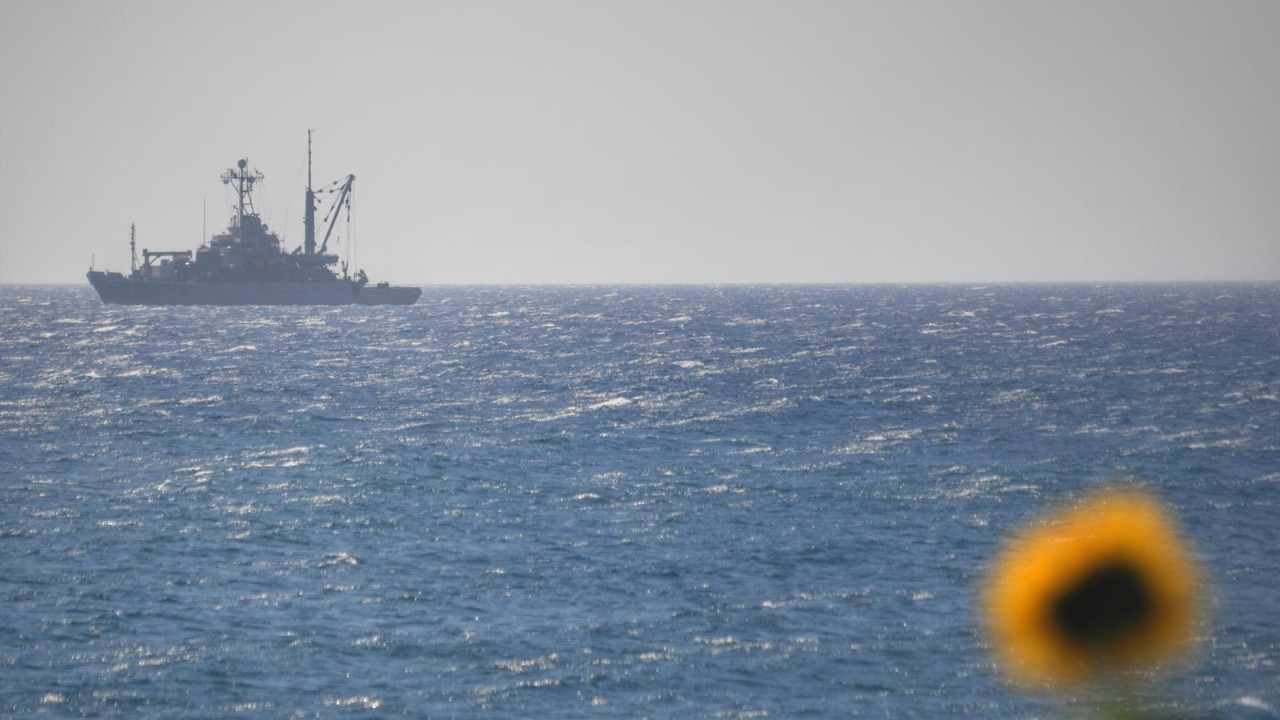
The Trump administration’s decision to seize an oil tanker off the coast of Venezuela has turned a covert maritime raid into a full-blown geopolitical flashpoint. What began as a targeted move against a single vessel is now testing the limits of sanctions policy, freedom of navigation and the fragile balance of power in the Caribbean.
By sending armed personnel to physically take control of the ship, Washington has signaled that it is prepared to enforce its energy and terrorism sanctions far from home waters. The operation is already reshaping how rivals, allies and regional governments read United States intentions in and around Venezuela’s oil-rich coastline.
The Skipper and a high-risk special operations raid
At the center of the drama is an oil tanker identified by a United States official as the Skipper, a vessel intercepted off Venezuela’s coast in an operation that looked more like a counterterrorism raid than a routine boarding. According to detailed accounts, the seizure involved special operations forces approaching the ship with two helicopters before armed personnel fast-roped onto the deck, a level of force that underscored how seriously Washington viewed the mission and the cargo on board. The Skipper’s profile, including its recent movements and ownership trail, had already drawn scrutiny from United States agencies tracking sanctioned crude flows from Venezuela and Iran, making it a prime target for a high-visibility interdiction backed by a specialized unit based in Chesapeake, Virginia, as described in reporting on what we know about the Skipper.
President Donald Trump publicly confirmed that the United States had taken control of an oil tanker off the Venezuelan coast, framing the move as a direct extension of his administration’s sanctions campaign. Shipping data cited in coverage of the tanker seized off the coast indicated that the vessel had been active in sanctioned trades since 2024, reinforcing the White House argument that this was not a random boarding but a targeted strike on a repeat violator. By personally announcing the seizure, President Donald Trump elevated the raid from a technical enforcement action to a political statement about how far his administration is willing to go to choke off revenue streams tied to adversarial governments.
Sanctions, terrorism claims and the Cuba connection
United States officials have justified the operation by tying the Skipper to a web of sanctions evasion and alleged terrorism financing that stretches from South America to the Middle East. The country’s attorney general said the United States seized a tanker used to transport sanctioned oil from Venezuela and Iran off the coast of Venezuela, describing it as part of a broader effort to cut into Venezuela’s valuable oil exports and disrupt networks that move restricted crude from Venezuela and Iran together. Those claims, laid out in detail in an account of how The United States targeted Venezuela and Iran, are central to Washington’s argument that this was a lawful enforcement of existing sanctions rather than an act of maritime adventurism.
Another sensitive thread is the cargo’s reported destination and ownership. A United States official told reporters that Half of the ship’s oil is tied to a Cuban importer, a detail that pulls Havana directly into the controversy and reinforces the administration’s narrative that the Skipper was part of a sanctions-busting circuit linking Caracas, Tehran and Cuba. The same official identified the seized tanker as the Skipper and emphasized that its cargo mix and routing pattern fit a broader pattern of covert shipments, as described in coverage of how Trump says the U.S. has seized an oil tanker off the coast. By tying the cargo to a Cuban buyer and to sanctioned flows from Venezuela and Iran, the administration is effectively arguing that the raid was not just about one ship but about dismantling a sanctions evasion ecosystem that spans three governments already under heavy United States pressure.
Inside the dramatic Caribbean operation
Visually, the seizure unfolded like a scene from a military thriller, and that imagery is part of why the raid has resonated far beyond the shipping industry. A 45-second video posted by Bondi showed two helicopters approaching a vessel and armed individuals in camouflage rappelling down onto the deck, giving the public a rare, curated glimpse of how United States forces conduct maritime interdictions far from home ports. That footage, which quickly circulated online, matched descriptions of a tightly choreographed assault in which troops in full gear moved across the deck to secure control of the bridge and crew, as detailed in reports on how Bondi shared a 45-second video of the sanctioned tanker’s capture.
Additional accounts describe Troops dressed in camouflage storming across the deck as the helicopters hovered overhead, with the entire sequence unfolding in the choppy waters of the Caribbean near Venezuela. That imagery, captured in coverage that framed the episode as part of a wider US-Venezuela crisis and invited viewers to watch dramatic US tanker seizure unfold, reinforced the sense that Washington is treating the region not just as a sanctions enforcement zone but as an active theater for special operations. The description of Everything we know about the Troops highlighted how the same tactics used against piracy and drug-smuggling in the Caribbean are now being applied to energy sanctions, blurring the line between law enforcement and military power projection.
Trump’s message and the Venezuela backdrop
For President Donald Trump, the raid is also a stage for domestic and international messaging about his administration’s posture toward Nicolás Maduro and the broader crisis in Venezuela. Speaking during a roundtable discussion in the Roosevelt Room of the White House in Washington, he confirmed that the United States had seized a tanker off the Venezuelan coast and suggested that the vessel had been bound for a sanctioned trade route, while declining to spell out every operational detail. His comments, delivered from the symbolic heart of executive power, signaled that the seizure was meant to be read as a deliberate escalation in pressure on Maduro’s regime, which has long relied on oil exports to sustain its grip on power, as reflected in reporting on how President Donald Trump spoke in the Roosevelt Room of the White House in Washington.
The choice of target and location is inseparable from the broader standoff with Caracas. Venezuela’s economy is built on oil, and its coastal waters have become a contested space where sanctioned crude, foreign tankers and rival security forces intersect. By acting just off that shoreline, the United States has inserted itself directly into a maritime environment that Caracas sees as part of its sovereign domain, even as Washington argues that the Skipper’s activities violated international sanctions and justified intervention. The raid therefore sits at the intersection of a long-running political crisis in Venezuela and a global contest over who gets to police the world’s shipping lanes when sanctions collide with claims of territorial control.
Fury in Caracas, Tehran and beyond
If Washington sees the Skipper raid as a clean sanctions enforcement action, its adversaries are describing something closer to maritime banditry. Caracas responded to the seizure on Wednesday evening, calling it an international act of piracy and accusing the Trump administration of weaponizing maritime law to strangle its economy. Venezuelan officials argued that the intercepted tanker had been operating legally under their jurisdiction and that the United States had no right to board and divert it, a position laid out in detail in coverage of how Caracas responded on Wednesday and framed the move as part of a broader campaign of economic aggression. That same reporting noted that the intercepted tanker had been accused by United States authorities of facilitating illegal drug trafficking, a charge that Caracas rejects as politically motivated.
Tehran has gone even further in its rhetoric, with The Embassy representing Iran in the region issuing a statement that described the United States action near Venezuela as “piracy in the Caribbean” and a violation of fundamental international norms. By using that phrase, Iranian officials are trying to flip the narrative, casting Washington as the lawbreaker and themselves as defenders of maritime order, even as they face their own accusations of seizing foreign tankers in the Persian Gulf. The statement, detailed in an account of how The Embassy condemned piracy in the Caribbean, underscores how the Skipper episode has become another front in the information war between Washington and Tehran, each accusing the other of flouting international law.
Regional shockwaves and the piracy narrative
The raid has also rattled governments and observers across Latin America and the Caribbean, who are watching closely to see whether this becomes a one-off spectacle or the template for a new era of muscular United States maritime enforcement. Venezuelan officials and state-aligned media have repeatedly labeled the seizure “piracy,” arguing that the United States is using counterterrorism and anti-smuggling rhetoric as cover for unilateral interventions that could put other regional shipping at risk. Coverage of how Venezuela reacts to the United States oil tanker seizure, including a segment that flagged a Media Error when attempting to play video of the incident, captured the intensity of that response and highlighted claims that the tanker was tied to foreign terrorist groups, a charge that Washington has used to justify its actions and that Caracas has dismissed as propaganda, as seen in reporting on how Venezuela reacts to ‘piracy’ and alleged terrorist ties.
For regional navies and commercial shippers, the Skipper case raises uncomfortable questions about what happens the next time a tanker suspected of sanctions evasion transits near contested waters. If the United States continues to deploy special operations forces and helicopters to board vessels near Venezuela, other governments may feel pressure to respond in kind or to escort their own flagged ships, increasing the risk of miscalculation. The fact that this confrontation is unfolding in the same Caribbean waters where anti-piracy and anti-drug-smuggling missions are already routine only heightens the stakes, since it blurs the line between cooperative security operations and unilateral power plays. As the fallout spreads, the Skipper raid is becoming a test case for how far Washington, Caracas, Tehran and Havana are willing to push their competing narratives of law, sovereignty and security on the high seas.
More From TheDailyOverview

Grant Mercer covers market dynamics, business trends, and the economic forces driving growth across industries. His analysis connects macro movements with real-world implications for investors, entrepreneurs, and professionals. Through his work at The Daily Overview, Grant helps readers understand how markets function and where opportunities may emerge.