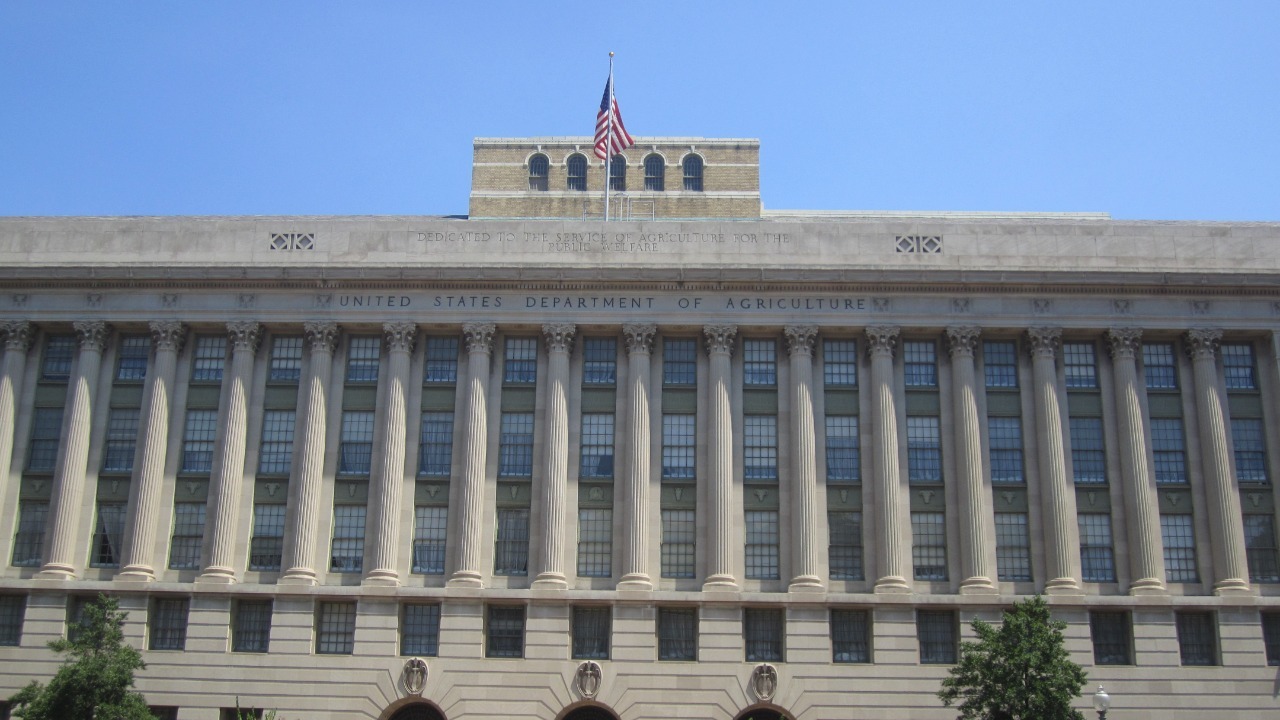
The U.S. Department of Agriculture has abruptly hit pause on a key stream of federal support for manure digesters on large livestock operations, freezing new loan guarantees and grants that have helped bankroll these controversial projects. The move throws dozens of factory farm biogas plans into uncertainty and signals a rare moment of skepticism inside an agency that has long promoted digesters as a climate and rural development tool.
At stake is whether taxpayer-backed energy dollars should keep flowing to infrastructure that critics say locks in industrial-scale animal agriculture, even as supporters argue digesters cut methane and create new revenue for struggling dairies and hog farms. The new freeze, framed as temporary, is already reshaping the political fight over how the federal government tackles manure, methane and the future of rural power systems.
What exactly USDA froze, and why it matters
The immediate trigger for the shakeup is a decision by the U.S. Department of Agriculture’s Rural Business Cooperative Service to stop processing new on-farm digester loan agreements after internal data showed a high rate of projects falling behind on payments. According to agency guidance sent to staff, the Rural Business Cooperative acted after seeing “elevated” delinquency in its digester lending portfolio, a red flag for a program that has been pitched as a safe bet for rural banks and developers. That pause affects projects that were close to closing financing, leaving some developers scrambling to replace federal backing that often underpins private capital.
At the same time, the agency has temporarily halted new support for manure biogas projects under the Rural Energy for America Program, or REAP, which has become a central funding source for large dairy and hog digesters. The USDA has confirmed that The USDA has temporarily halted funding for manure biogas projects under REAP because of concerns about loan performance and how risk is distributed across different farming operations. That combination of a loan guarantee pause and a grant freeze is what has effectively shut off new federal cash for factory farm digesters, at least for now.
A 90-day timeout and a broader loan freeze
Inside REAP, the department has gone further than a vague slowdown and has set a specific review window. Agency documents show that Last Friday, USDA put a “90-day” pause on all REAP guaranteed loan processing for digesters so staff can investigate what it called “elevated rates of project delinquency and default.” That language signals that the concern is not just political heat but also the financial health of the digester portfolio, which has grown quickly in recent years as developers chase lucrative energy credits tied to methane capture.
Beyond REAP, the department has also stopped new loan guarantee funding for biodigester projects in its broader rural lending programs. Officials have confirmed that USDA pauses loan for biodigester projects after internal reviews of how these facilities have performed in the lending portfolio in recent years. That decision, detailed in agency communications highlighted by Biomass Magazine, means digester developers can no longer rely on the federal government to stand behind their loans while the review is underway.
Environmental backlash and a 34-group petition
The financial concerns are landing in the middle of an organized campaign by environmental and animal protection groups that have spent years arguing that manure digesters entrench the very factory farm model that drives rural pollution. On January 14, a coalition led by the Animal Legal Defense Fund filed a formal rulemaking petition urging USDA to sharply limit federal support for digesters at large livestock operations. The petition notes that On January 14, the Animal Legal Defense Fund, or ALDF, joined a coalition of “34” organizations to argue that federal dollars should not push farmers into what they describe as expensive, polluting manure digesters.
Environmental groups and rural advocates have long challenged USDA’s support for digesters at large livestock operations, arguing that the projects concentrate manure, increase local air and water risks and tie rural economies to volatile energy markets. Reporting on the current pause notes that Environmental groups and rural advocates have repeatedly pressed USDA to shift REAP and related programs away from factory farm biogas and toward a broader mix of rural energy systems. The new freeze gives those critics a rare opening to argue that the agency’s own delinquency data proves their point that digesters are a risky bet, both environmentally and financially.
How REAP money has flowed to factory farm digesters
Part of the tension stems from how heavily REAP has leaned into manure biogas in recent years, even though the program was designed to support a wide range of rural energy projects. Between 2021 and 2025, internal figures show that “8%” of REAP funding went to support just “55 m” manure digester projects, a concentration that has alarmed small farm advocates who see other technologies being crowded out. Those numbers are cited in a detailed analysis that notes Between 2021 and 2025, 8% of REAP funding went to support just 55 m manure digester projects, with average grant awards for new digesters far larger than those for many other technologies.
USDA’s own communications acknowledge that REAP has become a significant backer of manure biogas, even as the agency insists that farmers pursuing other forms of renewable energy are still able to access funding. Coverage of the current pause notes that USDA has paused REAP manure biogas funding in response to both performance concerns and political backlash, while continuing to describe REAP as a program that supports rural energy systems more broadly. That dual message reflects the tightrope the department is walking as it tries to reassure farmers that REAP remains open for business even as it rethinks one of its most controversial technologies.
Idaho as a flashpoint and the view from rural communities
The freeze is not just an abstract policy shift in Washington, it is already reshaping plans on the ground in states that have become hubs for large dairy digesters. In Idaho, where industrial dairies have rapidly expanded, USDA’s decision to pause funding for manure digesters has immediate implications for projects that were counting on REAP grants and loan guarantees. Local coverage notes that USDA pauses funding for manure digesters in Idaho and across the United States, and that the move comes a week after a coalition filed its rulemaking petition challenging federal support for these projects.
Groups that focus on the environment and small farms in Idaho are openly welcoming the pause, arguing that it gives regulators a chance to confront odor, air quality and water pollution problems tied to large anaerobic digesters. Reporting from the region notes that Groups that focus on the environment and small farms are praising USDA for pausing REAP manure biogas digesters, citing concerns about water pollution from anaerobic digesters and the cumulative impact of factory-scale dairies on rural communities. Their reaction underscores how the digester debate is as much about who controls the future of rural land and water as it is about climate policy.
More From TheDailyOverview
*This article was researched with the help of AI, with human editors creating the final content.

Grant Mercer covers market dynamics, business trends, and the economic forces driving growth across industries. His analysis connects macro movements with real-world implications for investors, entrepreneurs, and professionals. Through his work at The Daily Overview, Grant helps readers understand how markets function and where opportunities may emerge.