
Vintage denim is not merely a wardrobe staple; it represents a blend of history, craftsmanship, and cultural significance. The details found in vintage denim pieces often signify luxury and exclusivity, attributes that make them highly coveted among collectors and fashion enthusiasts. By understanding these unique features, one can appreciate how vintage denim transcends mere fashion to become a high-value collectible.
The Significance of Selvage Denim
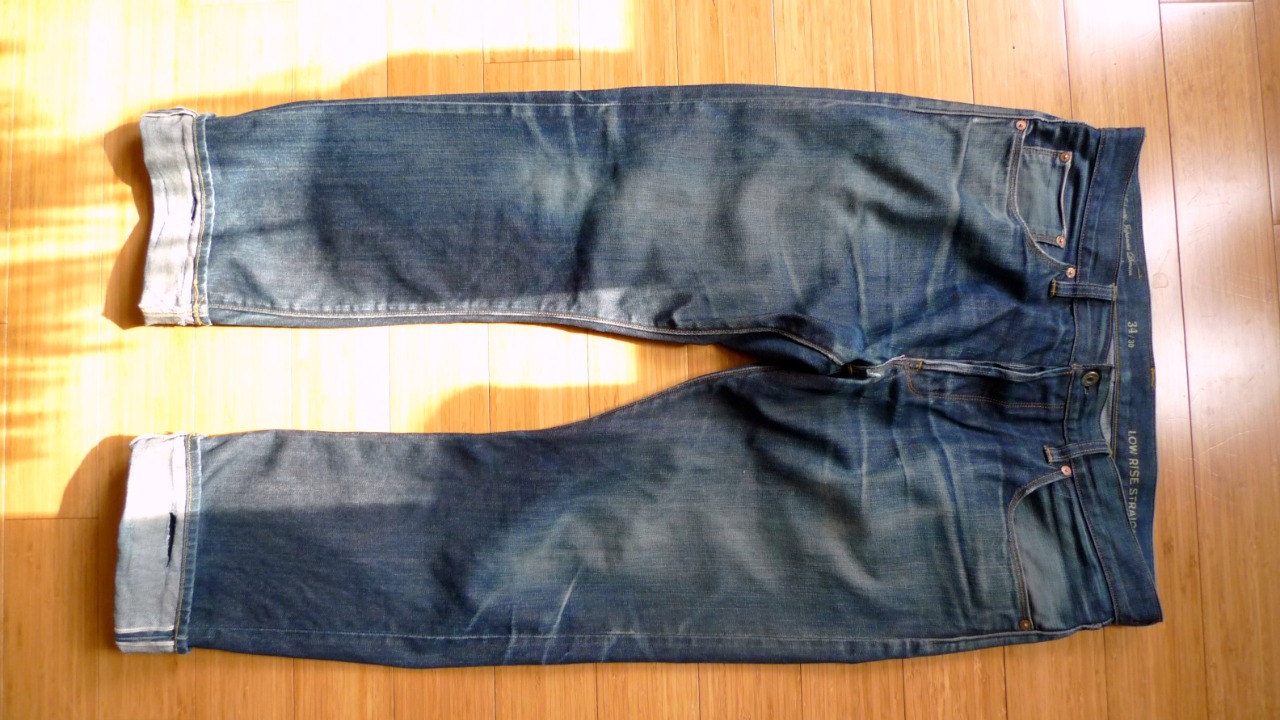
The allure of selvage denim lies in its historical roots and unparalleled quality. Originating from the shuttle loom technique, selvage denim boasts a tightly woven edge that prevents fraying, a testament to its durability and craftsmanship. This method, which dates back to the early 1900s, was largely replaced by more cost-effective practices, making authentic vintage selvage pieces increasingly rare and valued.
One of the most distinguishing features of selvage denim is its signature red or white edges, often visible when the denim is cuffed. These edges are not just decorative; they are a hallmark of higher-end production and a key indicator of quality. For collectors, these details are not merely aesthetic but serve as a badge of authenticity and exclusivity.
Today, the scarcity of genuine vintage selvage denim increases its desirability. While modern reproductions attempt to capture the same allure, they often fall short of the original’s nuanced texture and historical charm. The rarity of true vintage pieces makes them a worthwhile investment for those who appreciate the depth of denim’s history.
Iconic Stitching Patterns and Techniques

The intricacy of stitching patterns and techniques is another aspect that elevates vintage denim into the realm of high-value collectibles. Chain stitching, for instance, is revered for its dual role in enhancing both the durability and visual appeal of denim. This technique, characterized by its looped thread pattern, not only strengthens the fabric but also adds a unique aesthetic that evolves beautifully over time.
A lesser-known yet significant detail is the presence of hidden rivets. Concealed within the fabric, these rivets provide reinforcement at stress points without compromising the garment’s sleek appearance. This subtle yet effective design choice highlights the attention to detail that vintage denim manufacturers employed, further enhancing the garment’s value.
Arcuate stitching patterns, such as those seen on the back pockets of Levi’s jeans, carry a rich legacy. These patterns are not only functional, offering reinforcement but also serve as iconic brand signatures. For instance, the double-arched pattern on Levi’s jeans is instantly recognizable and contributes significantly to the garment’s historical and financial worth.
Brand-Specific Details that Add Value
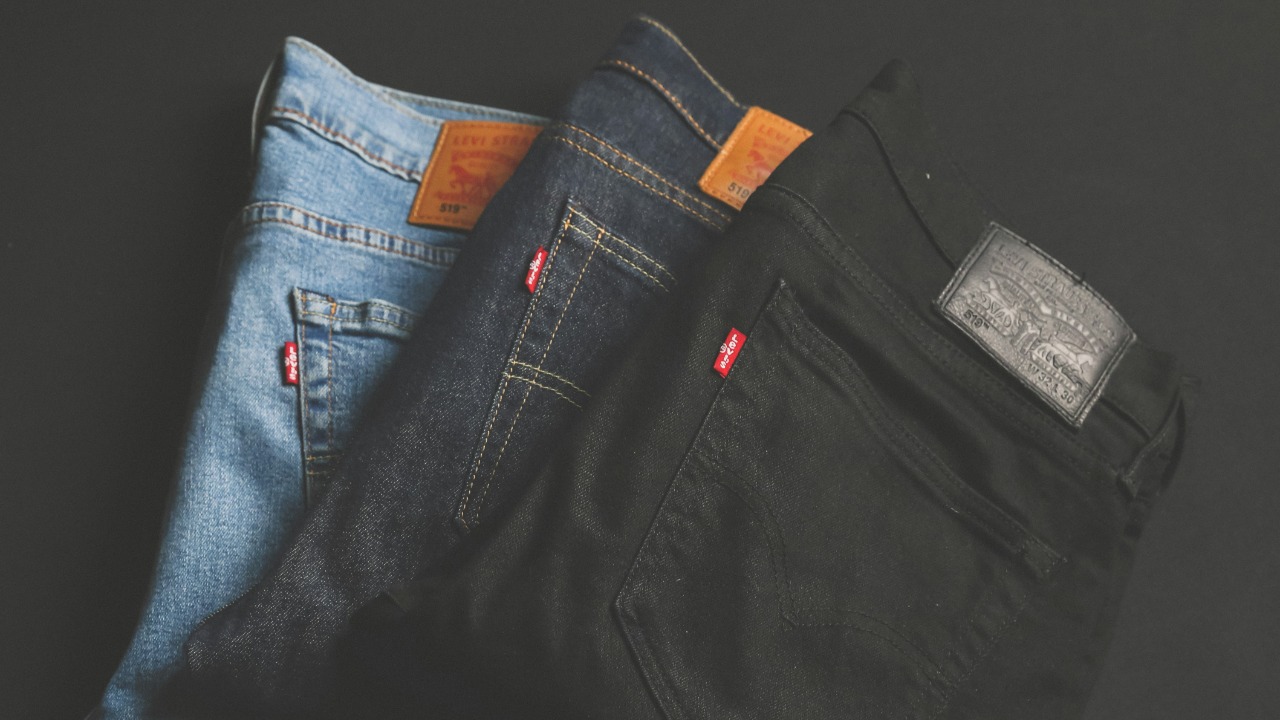
Brand-specific details often serve as indicators of a denim piece’s historical and monetary value. Levi’s, for example, is renowned for its red tab and the elusive capital “E” found on older models. The presence of the capital “E” signifies a pre-1971 production, a detail that dramatically increases a garment’s worth due to its rarity and historical significance.
Similarly, Lee jeans are prized for their Union Made tags, which signify American craftsmanship. These tags are not just relics of a bygone era but are markers of quality and authenticity. Collectors and enthusiasts often seek out these garments, not only for their durability but also for the story of American labor they encapsulate.
Wrangler’s Blue Bell label is another sought-after detail among vintage denim aficionados. This label, synonymous with premium quality, harks back to a time when denim was crafted with meticulous attention to detail. The Blue Bell label is a testament to the brand’s commitment to quality, making these pieces highly desirable among collectors.
Unique Fading and Wash Patterns
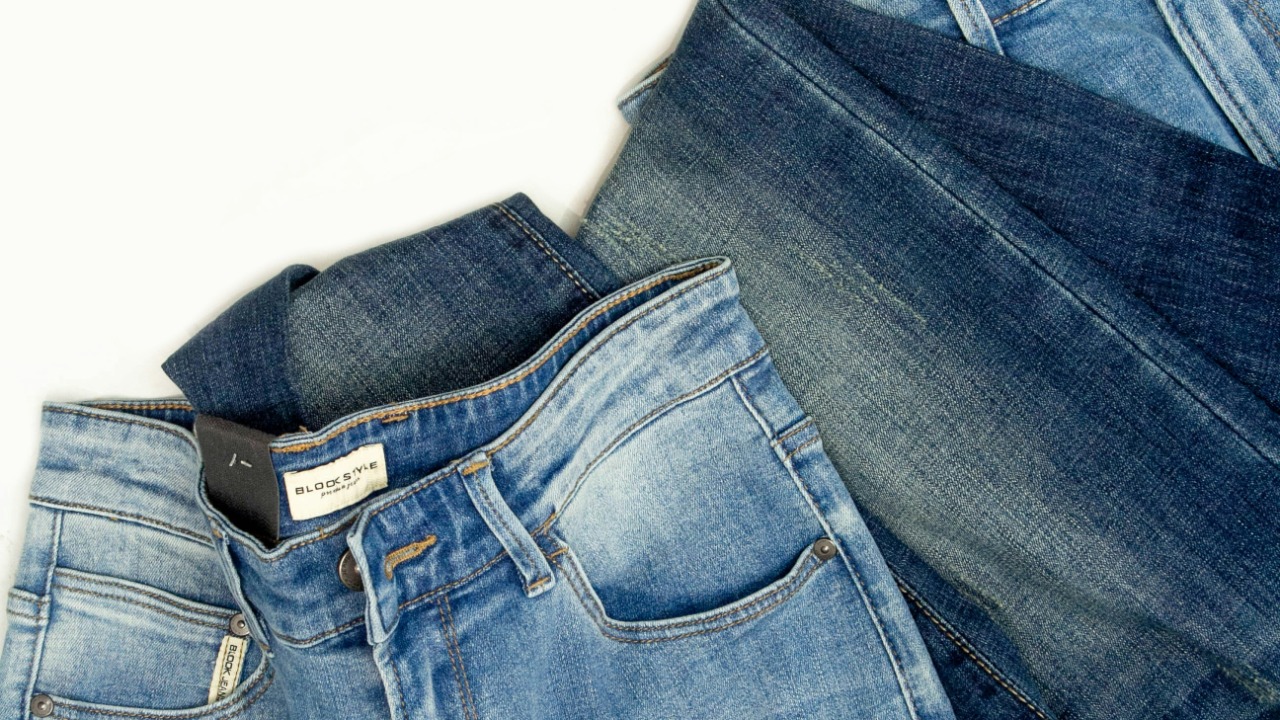
One of the most enchanting aspects of vintage denim is the unique fading and wash patterns that develop over time. Natural indigo fades, for instance, result from the denim’s exposure to elements, creating a one-of-a-kind look that mass-produced items simply cannot replicate. These fades not only enhance the garment’s aesthetic value but also its monetary worth, as they are highly coveted by collectors.
Patterns such as honeycombs and whiskers are indicative of genuine wear, serving as an authentication tool for vintage denim’s age and originality. These natural distress marks provide each piece with a unique character, making them all the more appealing to collectors who value authenticity.
Early techniques of distressing and washing, like stone washing, add a layer of historical intrigue to vintage denim pieces. These methods, which predate modern mass production techniques, lend authenticity and character to the garments, adding to their overall value.
The Cultural Impact of Vintage Denim

Beyond its physical attributes, vintage denim serves as a cultural artifact, reflecting the social and cultural movements of its time. From the rebellious spirit of the 1950s’ greasers to the free-spirited ethos of the 1970s, denim has always been more than just fabric; it is a symbol of change and identity. These cultural associations enhance its desirability and collectible status.
Celebrity endorsements have also played a significant role in escalating the market value of vintage denim. Icons like James Dean and Marilyn Monroe popularized denim as a symbol of cool and defiance, while modern celebrities continue to amplify its appeal. The influence of celebrities is evident in how certain vintage pieces can fetch astronomical prices at auctions.
In recent years, the focus on sustainability has renewed interest in vintage denim. As consumers become more eco-conscious, the appeal of vintage denim as a sustainable fashion choice grows. These pieces offer not just a unique style but also an eco-friendly alternative to fast fashion, resonating with those who value both aesthetics and ethics. The resurgence of vintage denim in contemporary fashion underscores its enduring allure and relevance.

Cole Whitaker focuses on the fundamentals of money management, helping readers make smarter decisions around income, spending, saving, and long-term financial stability. His writing emphasizes clarity, discipline, and practical systems that work in real life. At The Daily Overview, Cole breaks down personal finance topics into straightforward guidance readers can apply immediately.