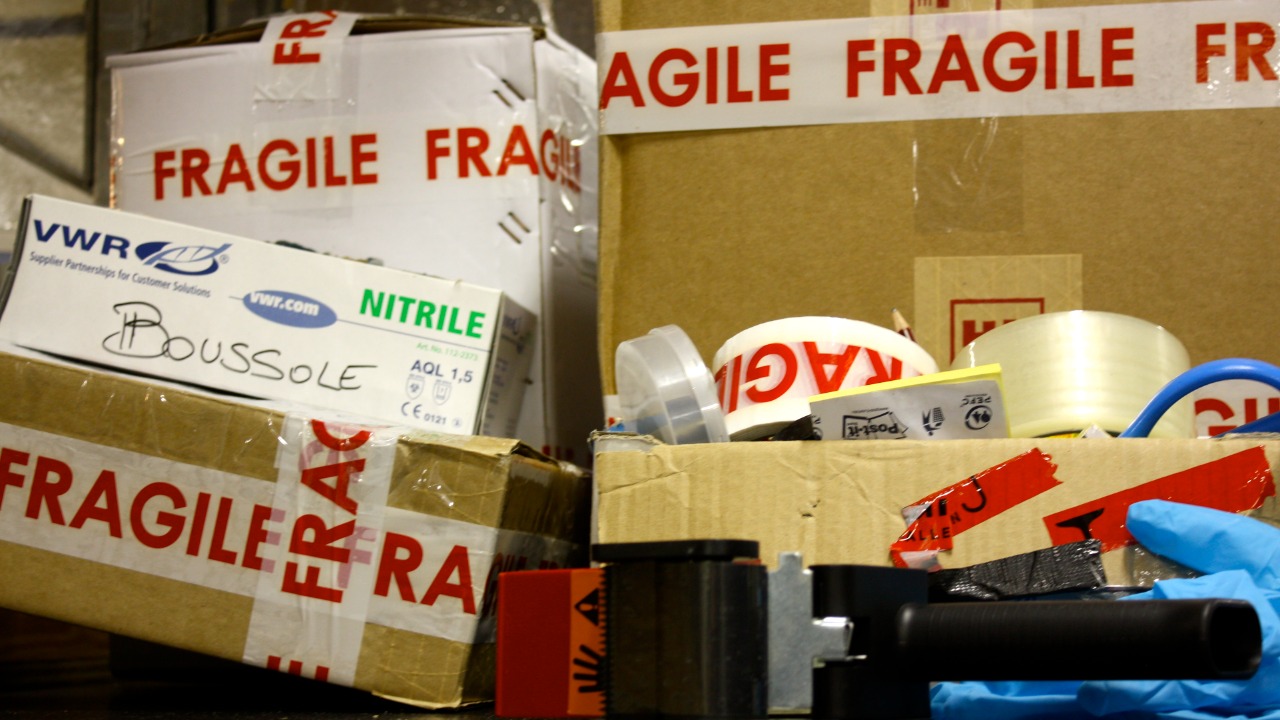
Shipping delicate items, such as intricate electronics or fragile collectibles, requires meticulous planning to prevent losses. With the right strategies and materials, you can ensure your delicate flips arrive safely at their destination. This comprehensive guide draws on expert insights and practical advice to help you ship delicate flips without incurring losses.
Understanding the Nature of Delicate Flips
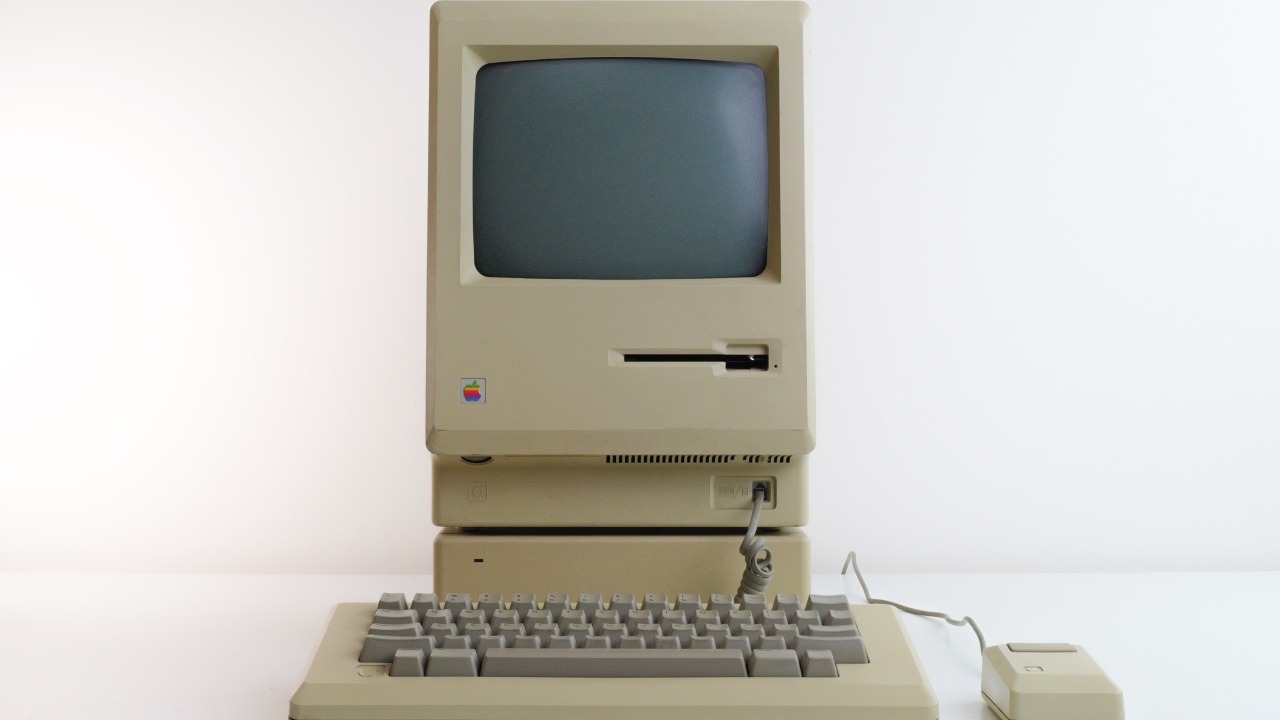
Delicate flips refer to items that are particularly fragile, sensitive, or valuable, making them challenging to ship. These can include items such as antique glassware, precision electronics, or limited-edition collectibles. The primary challenge lies in their susceptibility to damage during transit, which can be caused by various factors like temperature fluctuations, pressure changes, or physical impacts.
For instance, vintage electronics, like an early model Apple Macintosh, are not only sensitive to shock and vibration but can also be adversely affected by humidity and temperature changes. An example of a successful shipment involved a rare collectible figurine that was shipped across the country. The seller used a combination of foam inserts and a double-boxing technique to ensure its safe arrival. However, there are cases where poor packing materials led to the destruction of valuable items, underscoring the importance of careful planning and execution.
Selecting the Right Packaging Materials
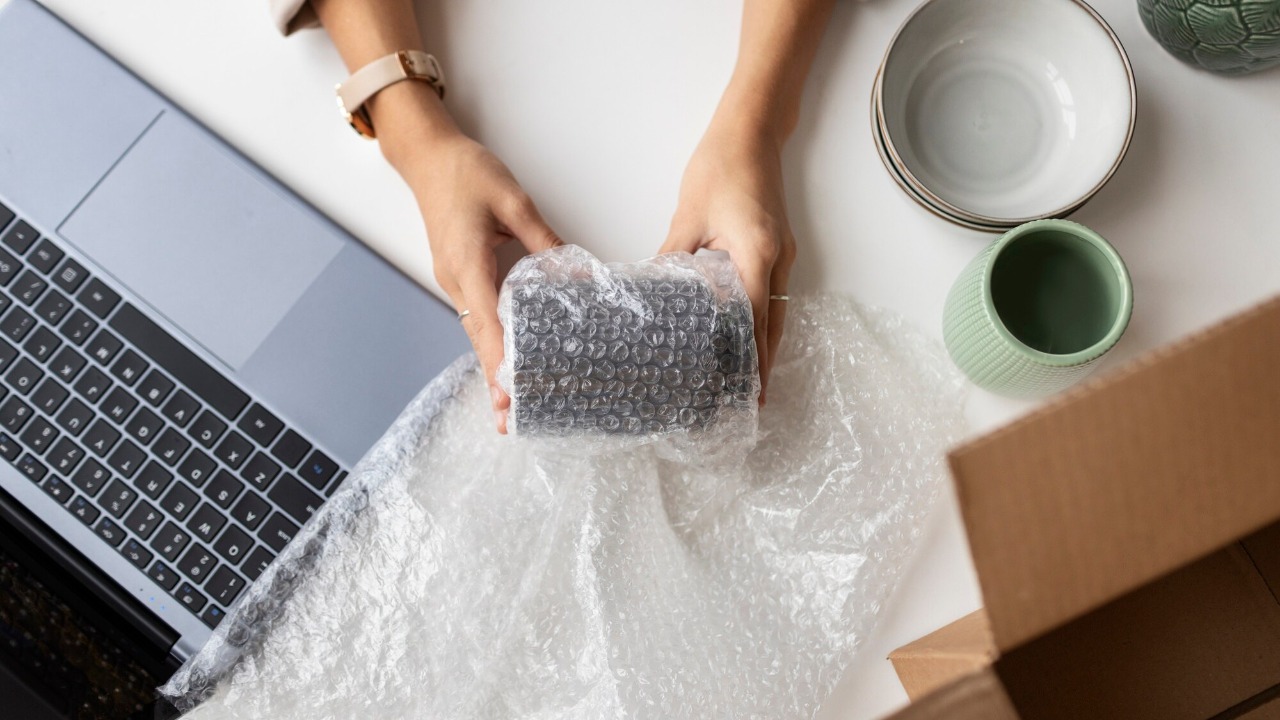
Choosing the appropriate packaging materials is crucial for protecting your delicate flips. Bubble wrap, foam, and custom inserts are popular choices for ensuring the safety of fragile items. Bubble wrap offers a cushioning effect that can absorb shocks, while foam inserts can be customized to fit the exact shape of the item, providing additional stability. It’s essential to evaluate these materials and determine which combination will best suit your needs.
The box you choose is equally important. A box that’s too large can allow items to shift during transit, increasing the risk of damage. On the other hand, a box that’s too small might not provide adequate protection. Ensure the box is sturdy and of high quality to withstand the rigors of shipping. Some companies are now using innovative packaging solutions, such as self-sealing boxes and temperature-controlled packaging, to enhance the safety of delicate shipments. For more detailed guidance on packaging, consider exploring this resource.
Effective Packing Techniques
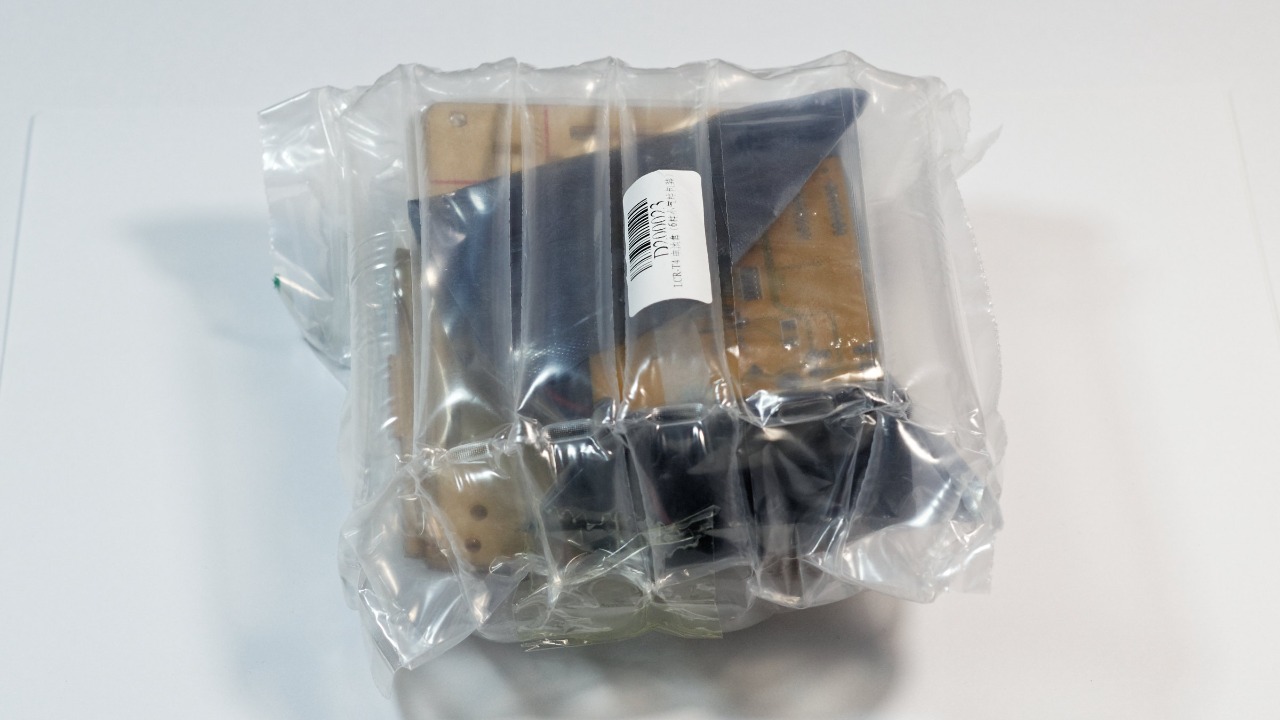
Proper packing techniques are vital in minimizing movement and absorbing shocks. Start by wrapping each item individually with bubble wrap or foam. Secure the wrapping with tape and place the item in the center of the box. Fill any remaining space with packing peanuts or crumpled paper to prevent movement. Double-boxing, where the wrapped item is placed inside a second box with additional cushioning, is another effective technique for extra protection.
Sealing the package securely is just as important. Use high-quality packing tape to seal all seams and edges of the box. Labeling the package with handling instructions, such as “Fragile” or “Handle with Care,” can alert handlers to the delicate nature of the shipment. Providing clear instructions can reduce the likelihood of mishandling. For further insights into packing techniques, this study offers valuable information.
Choosing Reliable Shipping Partners
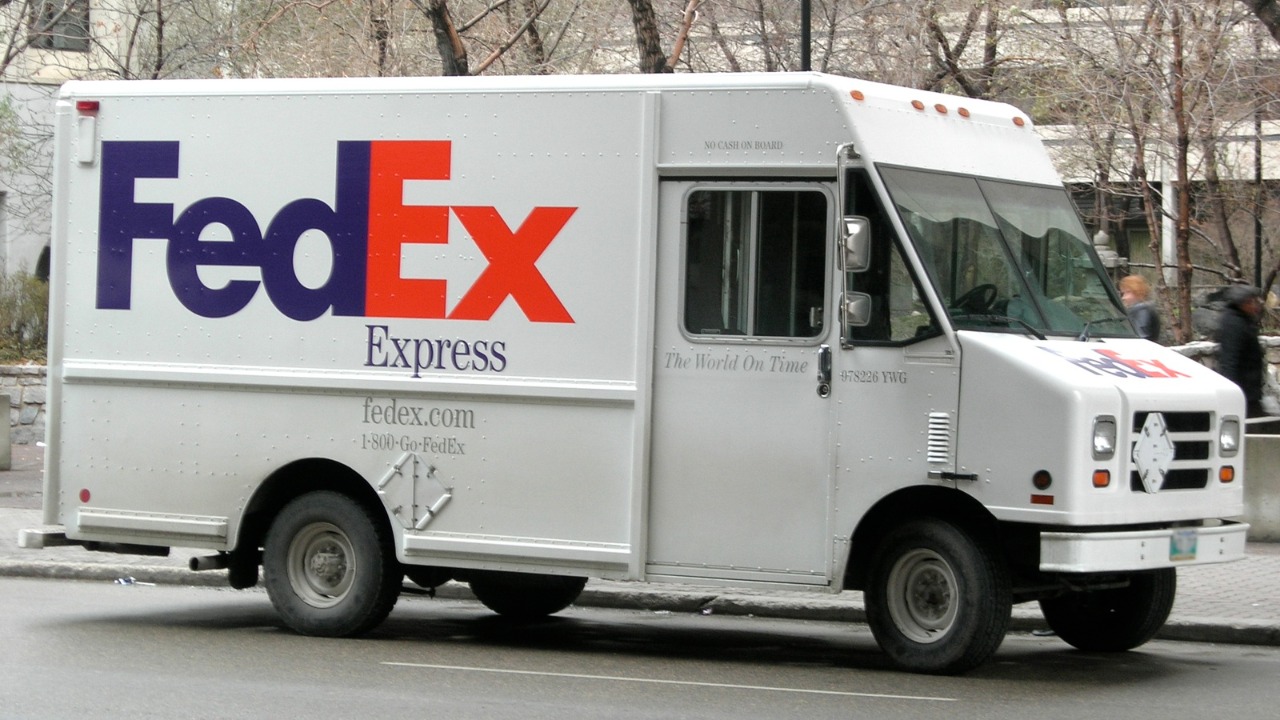
When shipping delicate flips, selecting a reliable shipping partner is crucial. Look for carriers with expertise in handling fragile items, as they are more likely to have the necessary equipment and trained staff to ensure safe transit. Consider the carrier’s reputation, cost, and delivery times when making your choice.
Tracking systems and insurance options are also essential when shipping high-value or delicate items. A robust tracking system allows you to monitor the shipment’s progress and quickly address any issues that may arise. Insurance provides peace of mind, offering financial protection in case of damage or loss. Some popular carriers known for their reliable service include FedEx, UPS, and DHL. Reviews and comparisons of these services can be found in this book.
Post-Shipping Best Practices

Once the shipment has been delivered, it’s crucial to assess the condition of the items promptly. Inspect the packaging for any signs of damage and document the condition of the contents. If any damage has occurred, initiate a claim with the shipping carrier immediately, providing all necessary documentation and evidence.
Customer feedback plays a vital role in maintaining trust and encouraging repeat business. Encourage recipients to provide feedback on the condition of their items and their overall satisfaction with the shipping process. This feedback can offer valuable insights for improving future shipments. Additionally, advances in technology, such as IoT and smart packaging, are making it easier to monitor shipments in real-time, allowing for quick interventions if issues arise. For more on the role of technology in shipping, consider reading this article.

Elias Broderick specializes in residential and commercial real estate, with a focus on market cycles, property fundamentals, and investment strategy. His writing translates complex housing and development trends into clear insights for both new and experienced investors. At The Daily Overview, Elias explores how real estate fits into long-term wealth planning.