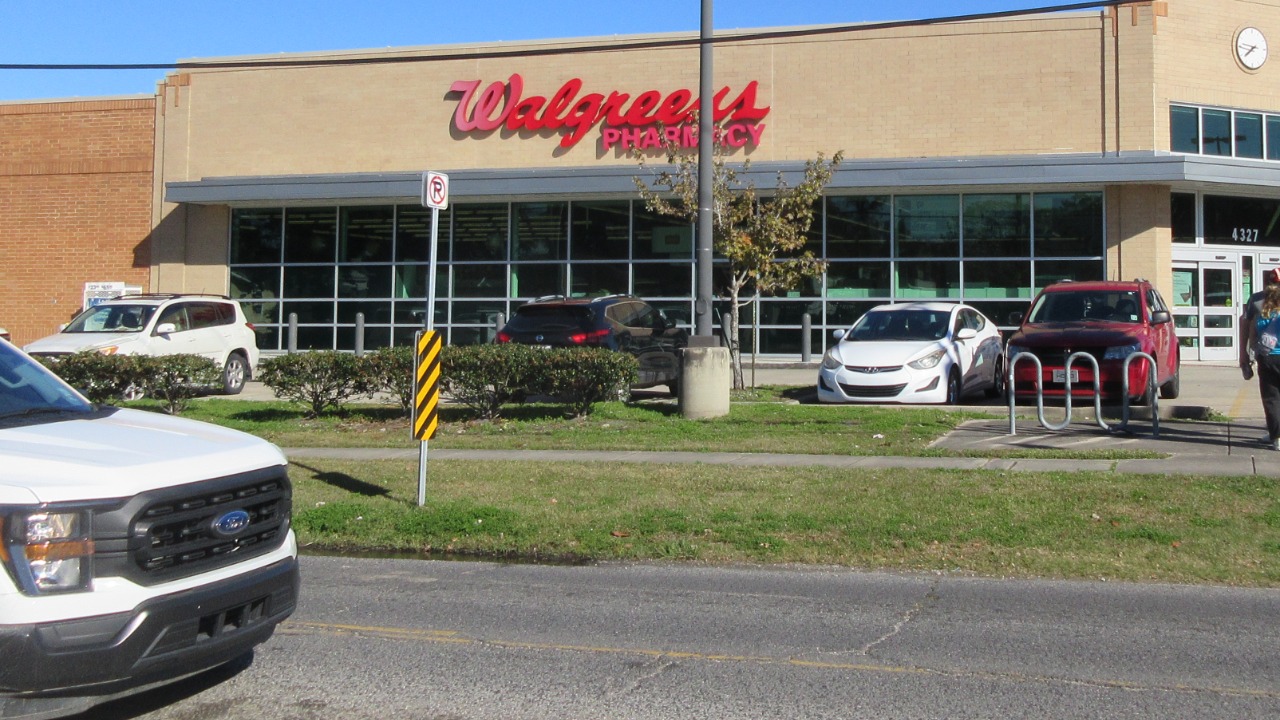
Walgreens is cashing out of its namesake pharmacy chain for a reported $10 billion, then turning around and asking its remaining workforce to live with less. The sale price signals how valuable the brick-and-mortar network still is, yet the company’s next move has been to trim benefits and perks that employees say helped make the job bearable.
I see a familiar pattern in that contrast: investors walk away with a premium while the people who keep the stores running are told to tighten their belts. The gap between dealmaking and day-to-day work is not new in corporate America, but the Walgreens transaction puts it in unusually sharp relief.
What a $10 billion sale really says about Walgreens’ priorities
The $10 billion valuation attached to Walgreens’ sale underscores how central its retail footprint and prescription volume remain to the U.S. health care economy. A buyer willing to pay that price is betting that the chain’s tens of millions of customers, its pharmacy data, and its real estate in high-traffic locations can still generate strong cash flow even as online competitors nibble at the edges. In other words, the market is not treating Walgreens as a fading relic of the strip mall era, it is treating the company as a durable utility for everyday medicine and convenience goods, with a price tag to match that confidence, as reflected in deal valuation details.
When a company commands that kind of check, it usually signals that there is room to invest in better technology, more staff, or improved customer experience. Yet the early signals around this deal point in the opposite direction. Instead of framing the sale as a springboard for reinvestment in stores and workers, Walgreens and its new owners are leaning on the familiar language of “synergies” and “efficiencies,” code that typically precedes cost cutting in areas like staffing, scheduling, and benefits. Reporting on the transaction’s structure shows that a significant portion of the expected returns is tied to aggressive savings targets, not organic growth, which sets the stage for the perks squeeze that followed.
From windfall to belt-tightening: how perks landed on the chopping block
Within weeks of the sale announcement, Walgreens employees began hearing about reductions in benefits that had long been part of the company’s pitch to frontline staff. Internal communications described higher thresholds for earning bonuses, tighter rules around paid time off, and the end of certain small but meaningful perks like enhanced holiday pay and store discounts for part-time workers. These changes were framed as “aligning with industry standards,” yet the timing, coming directly on the heels of a multibillion-dollar deal, made the message hard to miss: the company was willing to cash out at a premium while asking its workforce to absorb a quieter, slower pay cut through lost perks, as documented in benefit change summaries.
For many employees, the perks in question were not luxuries but part of how they made the math work on relatively modest hourly wages. A richer employee discount on prescriptions, for example, could offset out-of-pocket health costs for technicians and clerks who spend their days filling medications for others. Extra paid hours on major holidays helped workers justify missing family gatherings to keep stores open. When those benefits shrink, the effective compensation package shrinks with them, even if the base wage on paper stays the same. Accounts from store staff describe a sense of whiplash as they watched headlines about a $10 billion sale while reading notices about holiday pay policy changes and tighter eligibility for wellness stipends.
What the cuts mean for pharmacists, techs, and store staff
The impact of these perk reductions lands differently across Walgreens’ workforce, but pharmacists and pharmacy technicians appear to be feeling it most acutely. Many of them already operate under intense pressure to hit prescription quotas, vaccination targets, and customer satisfaction metrics, often with lean staffing. When benefits like extra paid training hours, schedule flexibility incentives, or enhanced overtime rates are scaled back, the job becomes harder to justify compared with opportunities at hospitals, independent pharmacies, or even non-pharmacy roles that offer steadier hours. Surveys and interviews cited in pharmacist morale reporting show rising burnout and a growing willingness among licensed professionals to walk away from retail chains altogether.
Front-of-store employees, from cashiers to shift leads, are also absorbing the shock. Many rely on predictable schedules and modest perks to juggle child care, second jobs, or school. When Walgreens trims back paid breaks, tightens attendance policies, or reduces the value of store discounts, it effectively asks these workers to do the same job for less total value. That can translate into higher turnover, more open shifts, and a heavier load on the people who stay. Store-level managers quoted in turnover data describe a cycle in which benefit cuts push experienced staff out, which then forces remaining employees to train new hires constantly, eroding service quality and making it even harder to meet the performance benchmarks that corporate leaders use to justify further cuts.
Customer experience and safety risks when perks disappear
When a company strips away perks that help retain experienced staff, customers eventually feel the difference at the counter. In a pharmacy setting, that is not just an inconvenience, it can be a safety issue. Filling complex prescriptions, catching potential drug interactions, and counseling patients on side effects all depend on having enough trained people on duty with the time and focus to do the job carefully. Reports tied to Walgreens’ recent changes note that as benefits shrink and turnover rises, some stores are operating with fewer technicians per shift and relying more heavily on temporary or newly hired staff, a pattern linked in medication error risk analyses to higher odds of mistakes.
Customer-facing perks are also quietly eroding. Shorter pharmacy hours, fewer staff at the front registers, and longer waits for vaccines or consultations are all downstream effects of a workforce that feels stretched and undercompensated. Patients who once relied on a familiar pharmacist for advice may now find a rotating cast of faces behind the counter, with less time for conversation. In communities where Walgreens is one of the only accessible pharmacies, especially in rural or low-income urban areas, that shift can widen existing gaps in care. Local health advocates cited in pharmacy access reporting warn that when large chains prioritize cost savings over stable staffing, the people most dependent on those stores are the ones who pay the price in delayed refills and reduced counseling.
What Walgreens’ move signals for corporate America’s social contract
The Walgreens sale and subsequent perk cuts fit into a broader pattern of large employers treating workers as a flexible cost center even as they tout their role as community anchors. Corporate leaders talk about “purpose” and “stakeholders,” but when a major liquidity event arrives, the benefits tend to flow upward to shareholders and executives, while the people on the payroll are asked to accept leaner terms. Analysts tracking similar moves at other retailers and health care companies point to a widening gap between record deal valuations and stagnant or shrinking compensation packages, a trend documented in corporate compensation trend data.
I see the Walgreens episode as a test of how far that model can stretch before it breaks. Retail pharmacy is already grappling with labor shortages, rising complexity in drug regimens, and growing expectations around services like vaccinations and chronic disease management. If companies respond to those pressures by extracting more from workers while giving less in return, they risk undermining the very human infrastructure that makes their business viable. The $10 billion price tag proves that Walgreens’ network is still valuable. Whether that value can be sustained while chipping away at the perks and protections that keep employees in the job is a question that will not be answered in a single quarter, but the early signals, captured in labor shortage forecasts, suggest that the cost of short-term savings may show up later in staffing crises, regulatory scrutiny, and customer frustration.
More From TheDailyOverview
- Dave Ramsey warns to stop 401(k) contributions
- 11 night jobs you can do from home (not exciting but steady)
- Small U.S. cities ready to boom next
- 19 things boomers should never sell no matter what

Grant Mercer covers market dynamics, business trends, and the economic forces driving growth across industries. His analysis connects macro movements with real-world implications for investors, entrepreneurs, and professionals. Through his work at The Daily Overview, Grant helps readers understand how markets function and where opportunities may emerge.