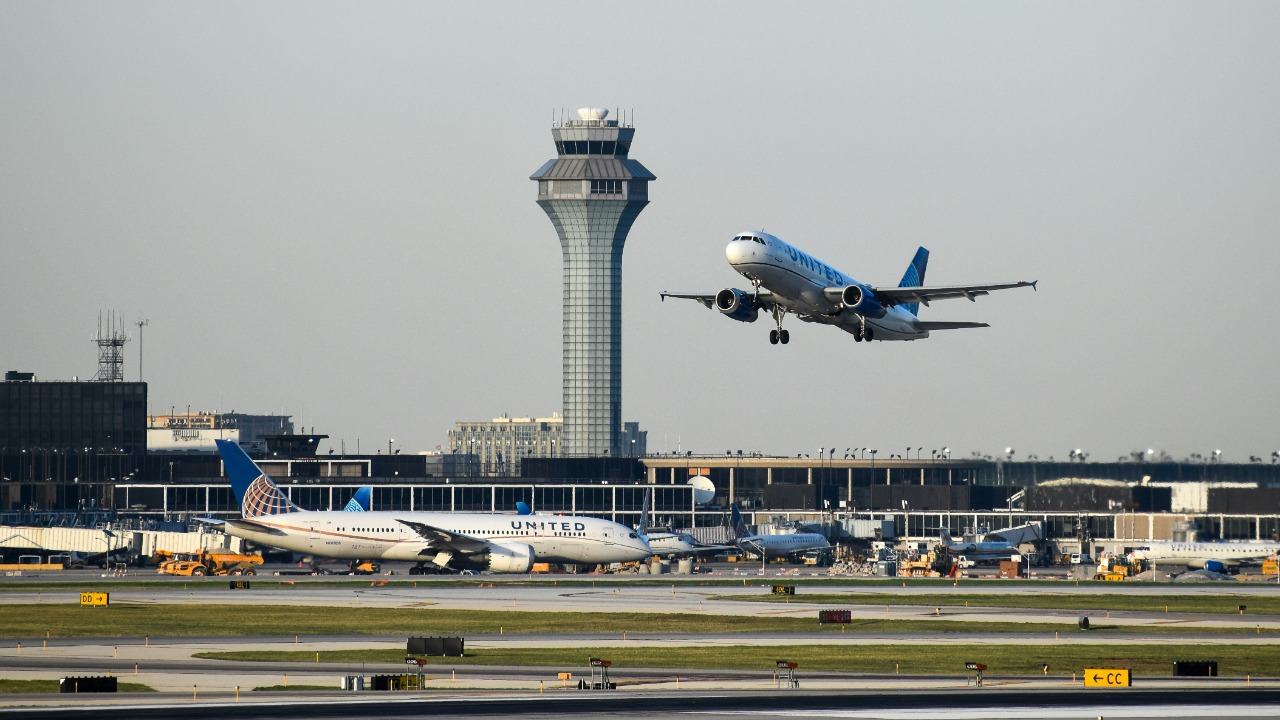
The closure of a billion‑dollar airport that airlines barely used is a stark reminder that concrete and runways alone do not guarantee flights. When carriers refuse to schedule routes, even the most expensive infrastructure can sit idle, draining public funds and eroding trust in grand transport promises.
What unfolded at this so‑called ghost airport is not an isolated misstep but a case study in how political ambition, flawed demand forecasts and airline economics can collide. The result is a gleaming facility with almost no passengers, a mounting bill for taxpayers and a warning signal for every government chasing prestige projects without securing the planes that are supposed to fill them.
How a billion‑dollar hub became a ghost airport
The airport at the center of this saga was conceived as a flagship gateway, backed by roughly 1 billion dollars in public investment and pitched as a catalyst for regional growth. Planners promised a modern terminal, long runways and capacity for millions of passengers a year, arguing that a new hub would relieve pressure on older facilities and attract international carriers. The scale of the project, from its multi‑kilometer runway to its high‑spec control tower and baggage systems, reflected that ambition and locked in enormous upfront costs that local authorities could not easily reverse once construction began, as detailed in project overviews.
Yet from the moment the airport opened, the gap between its design capacity and actual traffic was glaring. Airlines showed little interest in shifting operations from established nearby hubs, and passenger numbers stayed a fraction of what feasibility studies had projected. In some years, the airport handled only a few thousand travelers despite being built to process several million, a mismatch documented in traffic data and subsequent audits. With so few flights, the vast terminal halls often sat empty, security lanes went unused and the airfield’s lighting systems illuminated runways that rarely saw commercial landings.
Why airlines refused to fly there
Airlines ultimately decide where to fly based on yield, connectivity and operational efficiency, and in this case the numbers simply did not work. Carriers already serving the region from existing airports saw little advantage in moving to a new field that lacked proven demand, especially when it would require duplicating ground staff, marketing and maintenance support. Low‑cost operators, which had been courted aggressively, balked at the combination of airport charges, distance from major population centers and the risk of flying half‑empty aircraft, concerns that were captured in industry interviews and route planning analyses.
Location compounded those commercial doubts. The airport sat far from dense urban cores and high‑value business districts, which meant longer surface journeys for passengers and higher ground transport costs for airlines trying to sell the route as convenient. Competing airports within a few hours’ drive already offered established networks, frequent services and interline connections, giving both travelers and carriers little reason to switch. As one regional breakdown of traffic patterns showed, the catchment area overlapped heavily with existing hubs, leaving the new facility with marginal incremental demand and reinforcing airlines’ decisions to stay away, a pattern underscored in traffic studies.
Political ambition, flawed forecasts and the cost to taxpayers
The ghost airport did not emerge in a vacuum, it was the product of political cycles that rewarded ribbon‑cuttings more than rigorous demand analysis. Regional leaders championed the project as a symbol of modernity and economic dynamism, often leaning on optimistic forecasts that assumed rapid growth in tourism and business travel. Later reviews of those forecasts found that consultants had used aggressive assumptions about passenger growth and airline interest, in some cases projecting millions of annual users where historic data suggested only a fraction of that volume was realistic, as highlighted in post‑hoc audit reports.
Once the airport opened and traffic failed to materialize, the financial burden shifted squarely onto taxpayers. Operating costs for security, maintenance, staffing and debt service continued even as landing fees and retail income remained negligible. Local authorities were forced to subsidize the facility year after year, diverting funds from other public services while they searched for buyers or alternative uses. In one widely cited case, the airport’s assets were eventually put up for sale at a fraction of the original investment, with initial bids reportedly as low as 10,000 euros against a construction bill of about 1 billion euros, a disparity documented in sale filings and court records.
Attempts to revive the empty terminal
Faced with an almost idle airfield, local officials and investors tried repeatedly to reinvent the site. Proposals ranged from turning the airport into a cargo hub to using it as a maintenance base or even a filming location for car commercials and movies. Some of these ideas did materialize in limited form, with the long runway and empty apron proving useful for aircraft storage and test flights during quieter periods in global aviation, as noted in industry case studies. However, none of these secondary uses generated the steady passenger traffic or revenue streams that the original business plan had promised.
There were also efforts to renegotiate terms with airlines, including offers of discounted landing fees, marketing support and route subsidies to entice carriers to schedule regular services. While a handful of seasonal or charter flights appeared, they did not scale into sustainable networks, and several trial routes were quietly dropped after short runs. The pattern mirrored other underused airports where incentive packages failed to overcome structural disadvantages in location and demand, a dynamic that aviation analysts have traced in comparative research on so‑called white‑elephant infrastructure.
The wider warning for global infrastructure planners
The story of this billion‑dollar ghost airport has become a reference point for planners far beyond its home country. Multilateral lenders and transport ministries now cite it when stressing the need for conservative demand modeling, transparent cost‑benefit analysis and early engagement with airlines before committing to large aviation projects. In several recent airport proposals, regulators have required more stringent sensitivity testing of passenger forecasts and clearer evidence of carrier interest, drawing directly on lessons from earlier failures documented in policy reviews.
For me, the most striking takeaway is how quickly prestige can turn into liability when infrastructure is built for political symbolism rather than proven need. A modern airport can be a powerful engine of growth, but only if it is integrated into realistic airline strategies, regional transport networks and long‑term fiscal planning. When those pieces are missing, even a 1 billion dollar showpiece can end up shuttered, its empty gates and silent departure boards serving as a cautionary monument to the cost of ignoring what the route maps and balance sheets were signaling all along.
More From TheDailyOverview
- Dave Ramsey warns to stop 401(k) contributions
- 11 night jobs you can do from home (not exciting but steady)
- Small U.S. cities ready to boom next
- 19 things boomers should never sell no matter what

Grant Mercer covers market dynamics, business trends, and the economic forces driving growth across industries. His analysis connects macro movements with real-world implications for investors, entrepreneurs, and professionals. Through his work at The Daily Overview, Grant helps readers understand how markets function and where opportunities may emerge.