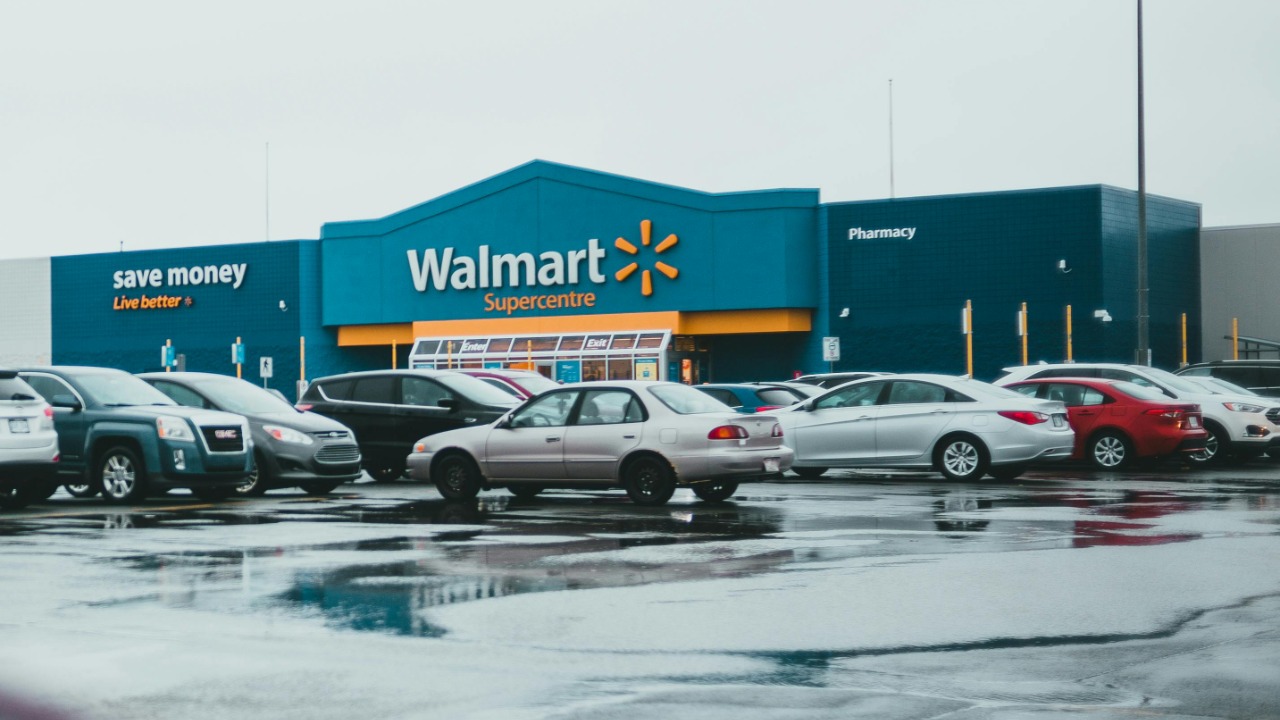
Walmart is quietly reshaping the cost of a basic shopping trip, adding bag fees in some markets while warning that theft has swelled into a multibillion‑dollar problem. The retailer is trying to plug what it describes as a roughly $3 billion hole from merchandise losses, even as it leans harder on self‑checkout and other cost‑saving tools that many shoppers already find frustrating.
As I see it, the new bag charges are not just about plastic and paper, they are part of a broader recalibration of who pays for retail crime and operational strain. The company is signaling that customers will shoulder more of the friction and some of the cost, even if most of them never walk out with so much as an unpaid pack of gum.
Bag fees move from environmental nudge to cost‑recovery tool
Retail bag fees started as a way to curb plastic waste, but in Walmart’s case they now sit at the intersection of sustainability, labor savings, and loss prevention. In several states and cities, the company has shifted from offering free single‑use bags to charging per bag or nudging shoppers toward reusable options, aligning with local rules while also trimming a recurring expense that used to be baked into prices. That shift lets Walmart frame the change as a green initiative, even as it quietly recoups costs that have grown more painful in an era of thin margins and higher shrink.
What stands out to me is how the bag policy dovetails with the spread of self‑checkout. When customers scan and bag their own items, every bag becomes both a cost line and a potential point of loss, especially if items are not scanned correctly or are slipped into bags without payment. By charging for bags and steering people toward bringing their own, Walmart reduces the number of store‑provided bags in circulation and tightens control over the front end, a strategy that fits with broader efforts to contain what executives have described as a roughly $3 billion theft problem.
A $3 billion shrink problem that will not stay in the back room
Walmart’s leadership has been unusually blunt about the scale of its losses from theft and other forms of shrink, putting the figure at about $3 billion and warning that the trend is moving in the wrong direction. That number covers everything from organized retail crime to everyday shoplifting and scanning errors, but the headline is simple: a company famous for ruthless efficiency is watching billions of dollars in inventory vanish each year. When a retailer of Walmart’s size starts talking openly about that kind of leakage, it is effectively preparing shoppers and investors for tougher policies at the checkout and on the sales floor.
The company has already linked that loss pressure to operational changes, including how it manages self‑checkout and how aggressively it pursues loss‑prevention technology. Executives have pointed to shrink as a factor in store‑level decisions and have framed it as a shared problem that affects prices and store experience for everyone, not just the people caught stealing. In that context, bag fees are one of several levers Walmart can pull to offset the impact of rising shrink without resorting immediately to across‑the‑board price hikes that might drive away its price‑sensitive core customers.
Self‑checkout, friction, and the new front‑end playbook
Self‑checkout was supposed to be the ultimate win‑win, cutting labor costs while giving shoppers a faster, more flexible way to pay. Instead, it has become a flashpoint in the theft debate, with Walmart and other chains acknowledging that unattended lanes are a major source of losses. The company has experimented with limiting self‑checkout hours, staffing more attendants, and in some locations even removing self‑checkout entirely when shrink spikes, a sign that the earlier assumption that technology alone could solve front‑end bottlenecks has run into hard limits.
From my vantage point, the bag fee fits neatly into this evolving front‑end strategy. When customers pay for each bag, they are more likely to be deliberate about what they scan and how they pack, which can reduce casual “missed” items that slip through in the chaos of a busy self‑checkout session. At the same time, Walmart is investing in more sophisticated loss‑prevention tools around those lanes, including systems that flag suspicious patterns and staff who can intervene when a transaction looks off, all in response to the billions in shrink the company has identified.
How costs and crackdowns land on everyday shoppers
For customers, the combination of bag fees, tighter self‑checkout controls, and more visible security can feel like a tax on honest behavior. A family doing a weekly stock‑up may now pay extra for bags, wait longer for an attendant to clear a self‑checkout alert, and navigate locked cases or receipt checks on the way out, all while hearing that theft is driving up costs. The message is that everyone is paying, either in time, in money, or in a more surveilled shopping experience, even if the vast majority of shoppers never attempt to steal.
I see a clear risk that this approach erodes some of the goodwill Walmart has built around convenience and low prices. Shoppers who feel nickel‑and‑dimed by bag charges or treated with suspicion at the exit may decide that the savings are not worth the hassle, especially when competitors are experimenting with different mixes of staffed lanes, loyalty perks, and digital ordering. Yet Walmart is betting that most customers will tolerate the extra friction if it helps keep shelf prices in check and allows the company to claw back part of that roughly $3 billion in annual losses.
What Walmart’s strategy signals for the rest of retail
Walmart’s scale means its policies often set the tone for the broader industry, and its move to pair bag fees with a tougher stance on shrink is no exception. Other big‑box chains are already wrestling with similar theft pressures and experimenting with their own combinations of paid bags, reduced self‑checkout access, and heightened security. When the country’s largest retailer normalizes charging for bags while talking openly about multibillion‑dollar losses, it gives cover for rivals to follow suit and frame their own changes as necessary responses to the same structural problem.
In that sense, I view Walmart’s bag fees as a small but telling piece of a larger shift in how retail risk is distributed. Instead of quietly absorbing shrink as a cost of doing business, companies are increasingly passing pieces of that burden to shoppers in the form of fees, extra steps, and more intrusive safeguards. With Walmart anchoring the conversation around a $3 billion theft challenge, the question is not whether other retailers will adopt similar tactics, but how far they will go before customers start to push back in ways that show up in traffic and sales.
More From TheDailyOverview

Silas Redman writes about the structure of modern banking, financial regulations, and the rules that govern money movement. His work examines how institutions, policies, and compliance frameworks affect individuals and businesses alike. At The Daily Overview, Silas aims to help readers better understand the systems operating behind everyday financial decisions.

