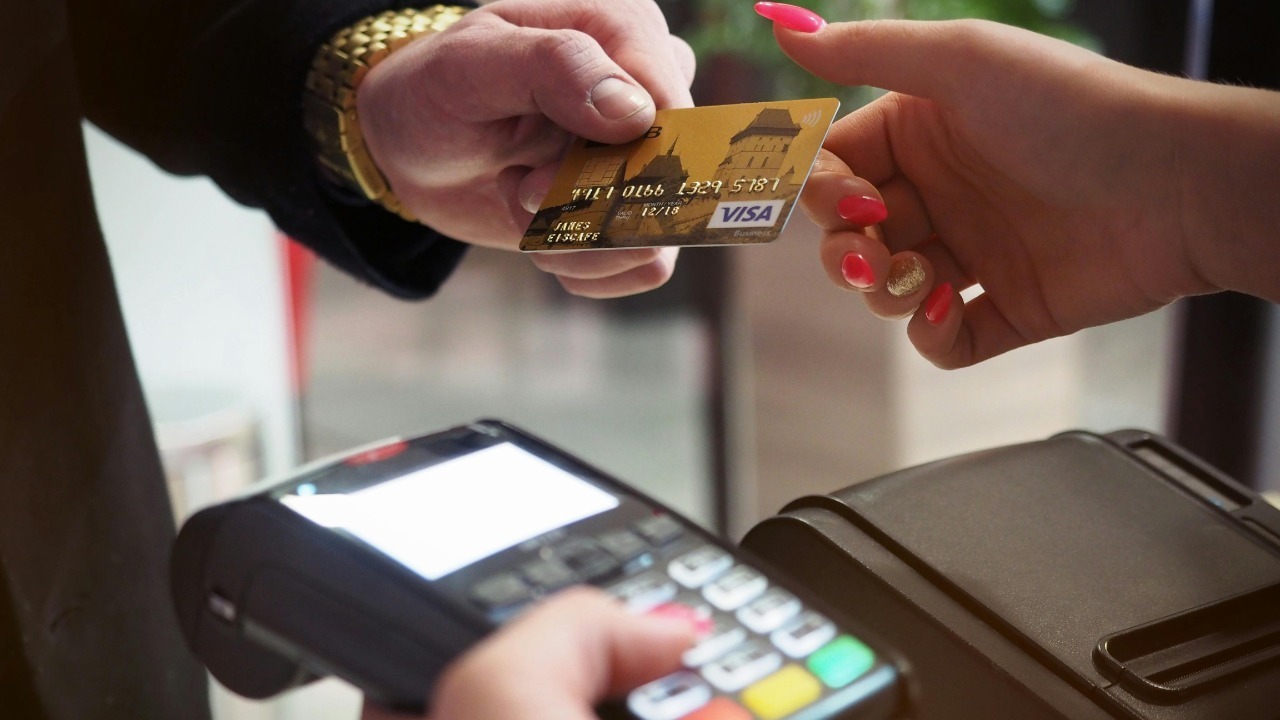
Shoppers who have grown used to tapping any card at the checkout are about to hit an expensive new reality. A landmark settlement with major card networks means retailers like Walmart and Target can now pick and choose which credit cards they accept, add new surcharges, or steer customers toward cheaper options. For customers who rely on rich rewards cards or who already feel squeezed by rising prices, the idea that a favorite store can suddenly refuse a trusted card is landing as a fresh insult.
The shift is especially explosive because it collides with everyday routines at two of the country’s most visited chains. People plan weekly budgets around big-box runs, stack coupons with cash‑back cards, and expect frictionless payments at the end of a long shop. Now, instead of a quick swipe, they may face new fees, confusing rules, or a flat “declined” message even when their bank says the account is fine.
How a behind‑the‑scenes settlement changed the rules
The power shift at the register traces back to a legal settlement that rewrites how merchants deal with the big card networks. For years, retailers complained that “honor all cards” rules forced them to accept every flavor of a brand’s plastic, even ultra‑premium products that carried higher swipe fees. A recent agreement described as allowing merchants to reject certain credit gives stores new freedom to say no to the most expensive versions, even if they still take the same logo in other forms.
That change is not theoretical for the chains that anchor American shopping habits. Reporting on “PAY PAINS” at checkout has already warned that paying with credit cards at Walmart and Target is about to get more frustrating and pricey as they respond to the settlement between Visa, Mastercard, and US merchants, with the potential for new surcharges and selective acceptance of cards that cost them more to process. Those warnings spell out that paying with credit at these chains could soon involve higher fees or outright rejection of certain products that used to slide through without a second thought.
Why Walmart and Target are ready to use their new leverage
Big retailers have long bristled at the cost of accepting premium plastic, and the settlement finally hands them a tool to fight back. Traditionally, the fees that merchants pay to credit card networks such as Visa, Mastercard, Discover, and American Express help fund the generous rewards that cardholders enjoy, but they also eat into already thin retail margins. Analysis of those economics notes that traditionally, the fees tied to high‑end cards are a prime reason merchants might now decide to turn them away.
Retailers including Walmart and Target are expected to lean into this new flexibility. One breakdown of the settlement explains that, as per a report in The US Sun, the retailers involved will be able to decide on certain surcharges for credit card usage and will have more control over which cards they accept, a shift that card companies were not fans of. That same analysis notes that retailers involved can now calibrate their checkout rules to favor cheaper payment types, effectively pushing customers toward cards and methods that cost the store less.
Shoppers’ fury meets a confusing new checkout reality
For customers, the fine print of interchange economics shows up as a very blunt experience: a card that suddenly will not work where it always has. Consumer‑focused coverage has already warned that shoppers face having their credit card DECLINED at certain as Visa and Mastercard implement the deal, with the result that CONSUMERS may not be able to rely on a single rewards card everywhere they shop. That is a jarring shift for people who have built travel strategies and cash‑back budgets around the assumption that a major network logo guarantees acceptance.
The anger is already visible in individual flashpoints. One furious Walmart shopper said he was forced to abandon his cart for a third time over the chain’s payment method policy, after discovering at the register that his preferred tap‑to‑pay option was not supported and then facing a double blow when he tried to complete the purchase another way. That experience, described as a customer “forced to abandon cart for third time” at Walmart, offers a preview of how quickly frustration can boil over when payment expectations collide with new rules.
Premium rewards cards and airline miles are squarely in the crosshairs
The settlement does not just affect whether a transaction goes through, it also threatens the rich perks that have turned credit cards into lifestyle tools. A detailed look at the deal warns that Visa and Mastercard’s new framework would let stores refuse certain rewards cards entirely, a move that could upend airline miles strategies that rely on those products being accepted everywhere. That analysis of how Visa and Mastercard’s might play out underscores that the most lucrative cards are often the most expensive for merchants, making them prime candidates for rejection.
Retail experts are already warning that giving retailers control means that customers will only go for specific cards that will be accepted by stores, rejecting other rewards products that no longer work at key merchants. One breakdown notes that giving retailers control over acceptance could reshape which cards survive in the market, as shoppers gravitate toward options that still function at Walmart and Target even if they offer fewer points or perks.
Walmart and Target’s broader payment strategies are already controversial
The new card rules land in chains that have already been testing the limits of customer patience on payments. Walmart has famously refused to support Apple Pay at its registers, steering shoppers instead toward its own mobile wallet inside the company’s app. Reporting on that policy notes that instead of Apple Pay, shoppers are offered Walmart Pay through the retailer’s mobile application, which effectively does many of the same things but keeps more control and data in‑house, a choice that already frustrates customers who prefer a single digital wallet.
Those tensions are magnified by the sheer scale of these chains and their online ecosystems. Millions of shoppers rely on Walmart for groceries, household basics, and big‑ticket items, while Target has built a loyal following around curated home goods and fashion. Consumer reporting has warned that CONSUMERS may encounter more frustration and costs at top retailers when using credit cards to pay, including the risk that a game‑changing points feature on a favorite card becomes useless if the store will not accept that product. Those warnings that CONSUMERS may encounter new fees and lost rewards help explain why the backlash is so intense.
More From TheDailyOverview

Cole Whitaker focuses on the fundamentals of money management, helping readers make smarter decisions around income, spending, saving, and long-term financial stability. His writing emphasizes clarity, discipline, and practical systems that work in real life. At The Daily Overview, Cole breaks down personal finance topics into straightforward guidance readers can apply immediately.

