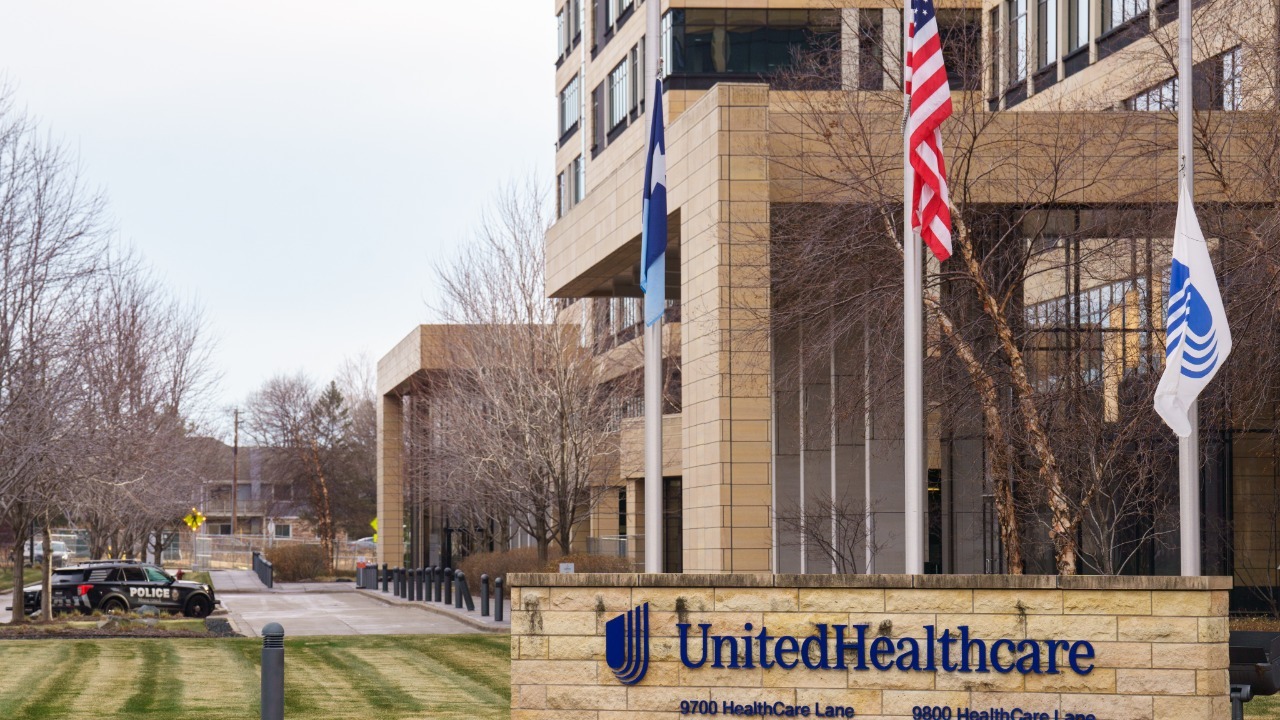
UnitedHealth is back under the regulatory spotlight, with fresh scrutiny of its Medicare business arriving just as investors are still digesting earlier legal and political blows. The new accusations raise questions about how much legal risk is already reflected in UNH’s valuation and how much more volatility shareholders should brace for. I see a company whose core franchise remains powerful, but whose near-term stock path is increasingly tied to Washington rather than Wall Street.
What the new Medicare accusations actually target
The latest controversy centers on how UnitedHealth handles Medicare billing and risk scores, a technical area that has become a major profit driver for large insurers. A recent wave of criticism argues that the company has pushed too aggressively to boost payments from the government, particularly in its Medicare Advantage plans, by inflating the severity of patient diagnoses. These new accusations arrive shortly after a high profile settlement with Kaiser Permanente, where the government secured $556 million tied to similar issues, and that $556 m figure now hangs over the entire sector as a reference point for potential exposure.
In UnitedHealth’s case, the stakes are magnified because Medicare Advantage is not a side business, it is central to the company’s growth story. The company’s Medicare book is large enough that any change in how diagnoses are coded, audited, or reimbursed can ripple straight into earnings and capital plans. That is why the new accusations are being framed as execution risk rather than just a legal footnote: if regulators or lawmakers force changes to coding practices, UnitedHealth may have to retool systems, retrain providers, and potentially accept lower margins on a product line that has been a key profit engine.
Senate scrutiny and the narrative of “aggressive” gaming
Political pressure is amplifying that risk. A recent report from the Senate alleges that UnitedHealth Group has been “gaming” the Medicare Advantage system by using upcoding and other tactics to increase risk scores and, in turn, government payments. The report, described By John Hilton, accuses the Group of manipulating diagnostic data to reap inflated reimbursements, turning what is supposed to be a safety net for seniors into a profit optimization exercise. For a company that already faces a trust deficit with some policymakers, that kind of language is more than rhetorical, it sets the tone for future oversight.
The political drumbeat has been reinforced by a separate investigation that found UnitedHealth had “aggressively” pushed the boundaries of Medicare Advantage. According to Staffers for Sen Chuck Grassley in Iowa, the company’s tactics in the privatized Medicare program went beyond normal competitive behavior and into territory that could warrant structural reforms. When a senior Republican like Chuck Grassley is publicly accusing a major insurer of abusing Medicare Advantage, it signals that skepticism about the program’s design is bipartisan. That matters for UNH stock because it increases the odds of tighter rules on risk adjustment, audits, and marketing, all of which could compress returns.
DOJ investigations and the risk of fines or structural changes
On top of congressional scrutiny, UnitedHealth is now contending with the Department of Justice. The company has confirmed that it faces a civil and criminal investigation into its Medicare billing practices, a development that has already hit the share price. In one recent trading session, UNH stock fell 4.7% after the company disclosed in a regulatory filing that the DOJ was probing its insurance, care delivery, behavioral health practices, and pharmacy services. That kind of one day move in a mega cap health insurer is a reminder that legal headlines can erase billions in market value long before any fine is actually levied.
The DOJ’s involvement is not new, but it is intensifying. A segment on Health Group earlier in the cycle highlighted that United Health Group was already adding to steep losses on the year after confirming the civil and criminal investigation tied to Medicare billing. Analysts have been clear that the probe could result in fines and reputational damage, but the more important question is whether it forces changes to how Medicare Advantage is structured. One detailed breakdown framed it bluntly: Medicare Advantage Matters a Lot for UNH Shares, and any DOJ driven shift in coding rules or oversight could weigh on the stock into the second half of 2025 and beyond. I read that as a warning that investors cannot treat this as a one quarter story.
How the stock is trading and what the valuation is signaling
All of this has left UNH in an unfamiliar position: a market leader trading like a value stock. According to recent market data, UnitedHealth Group Incorporated is sitting near the bottom of its 52-week range and below its 200-day moving average, a setup that screens poorly on traditional Price Momentum factors. For a company that long commanded a premium multiple as a defensive growth name, slipping to the lower end of that 52-week band is a clear sign that investors are demanding a discount for regulatory and legal uncertainty.
Some analysts argue that the pendulum has swung too far. One recent assessment asked bluntly, Aren UNH Shares Trading at a Discount, and concluded that While UnitedHealth shares are currently trading at a Discount, their compressed multiple could still leave room for upside if earnings hold up. That analysis suggested the stock might even have scope to climb another 12% from current levels if the company can navigate the legal overhang without a major earnings reset. I see that as the core bull case: the market is pricing in a lot of bad news, so any sign that fines are manageable or reforms are gradual could unlock a relief rally.
What it could mean for UNH investors from here
For shareholders, the key question is not whether UnitedHealth will face more headlines about Medicare, but how those headlines translate into cash flows. The Kaiser Permanente settlement at $556 million shows that regulators are willing to extract large checks from plans accused of upcoding, but it also shows that such settlements are finite and quantifiable. If UnitedHealth can ring fence its own exposure, reserve appropriately, and demonstrate cleaner practices going forward, the market may eventually treat the DOJ and Senate actions as one off costs rather than existential threats. In that scenario, the current discount could look like an opportunity for long term investors who believe in the underlying franchise.
The bear case is that the political and legal process leads to structural changes in Medicare Advantage that permanently reduce returns. The Senate report, the findings from Staffers for Sen Grassley, and the ongoing DOJ probe all point in the same direction: a belief among policymakers that the current system overpays plans like UnitedHealth’s. If that belief hardens into bipartisan consensus, investors should expect tighter audits, more conservative risk adjustment, and potentially lower benchmark rates. In that world, the phrase Medicare Advantage Matters a Lot for UNH Shares becomes a warning that the company’s most important growth engine is also its biggest vulnerability. For now, I see UNH as a stock caught between those two narratives, with every new Medicare headline nudging the balance one way or the other.
More From TheDailyOverview

Grant Mercer covers market dynamics, business trends, and the economic forces driving growth across industries. His analysis connects macro movements with real-world implications for investors, entrepreneurs, and professionals. Through his work at The Daily Overview, Grant helps readers understand how markets function and where opportunities may emerge.

