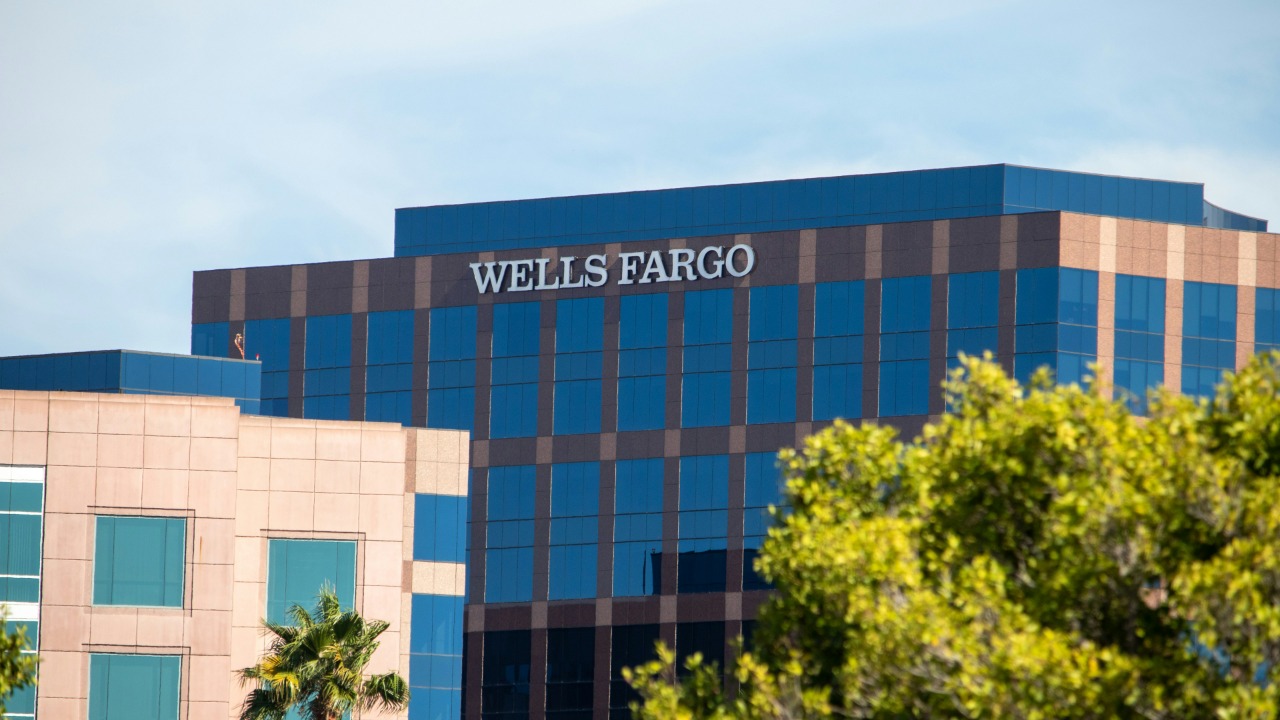
Wells Fargo has agreed to pay $56.85 million to resolve a class-action lawsuit alleging the bank damaged mortgage borrowers’ credit reports during the COVID-19 pandemic by failing to follow federal rules on forbearance reporting. The case, filed on June 18, 2020, in the Superior Court of California, County of San Diego, centers on the bank’s alleged violations of the CARES Act, the emergency law that required mortgage servicers to protect the credit standing of homeowners who sought pandemic relief. For borrowers who did everything right and still saw their credit scores tank, the settlement offers a measure of accountability, though the financial and personal toll of years of damaged credit is harder to quantify.
The lawsuit highlights how a technical area of consumer finance—how servicers report to credit bureaus—can have sweeping real-world consequences when it is mishandled at scale. Credit scores act as gatekeepers for mortgages, car loans, credit cards, rentals, and even some jobs. When a major servicer allegedly misapplies new legal protections during a crisis, the effects ripple far beyond a single missed payment notation. The Wells Fargo settlement thus functions not only as compensation for affected borrowers, but also as a case study in whether emergency consumer protections can be implemented quickly and accurately when they are most needed.
What the CARES Act Required of Mortgage Servicers
Congress passed the sprawling relief legislation on March 27, 2020, as the pandemic forced millions of Americans out of work and into financial distress. Among its many provisions, Section 4021 of the law created specific credit reporting protections for borrowers who entered into forbearance agreements with their mortgage servicers. If a borrower was current on a loan before entering forbearance, the servicer was required to continue reporting that account as current to the credit bureaus, not as delinquent or in default. For accounts that were already delinquent, the law generally required that servicers avoid worsening the reported status solely because a borrower entered a covered accommodation.
The rule was designed to prevent a cascading problem: homeowners who followed the government’s guidance and requested pandemic forbearance should not have been punished with lower credit scores for doing so. A lower credit score can block access to refinancing, auto loans, rental housing, and even employment. The Consumer Financial Protection Bureau reinforced this obligation in guidance published shortly after the law took effect, telling lenders and servicers that they must report information that is accurate and complete during the crisis. The Consumer Data Industry Association also issued Metro 2 reporting guidance on April 2, 2020, spelling out how servicers should code forbearance accounts to comply with the new law, removing much of the guesswork from implementation.
How Wells Fargo Allegedly Broke the Rules
According to the lawsuit, Wells Fargo did not follow these requirements for a significant number of its mortgage customers. Instead of reporting forbearance accounts as current, the bank allegedly continued furnishing negative information, including delinquency and default notations, to the major credit bureaus. The case was filed in San Diego Superior Court under case number 37-2020-00020808-CU-BT-CTL, and the court’s online docket for the San Diego action confirms that it proceeded as a class action on behalf of borrowers who were harmed by the bank’s reporting practices. Over time, the litigation focused on whether Wells Fargo’s systems and procedures adequately reflected the new CARES Act framework.
The core allegation is straightforward: borrowers who were current on their mortgages before requesting forbearance, exactly as the CARES Act contemplated, had their credit files marked with negative information that should never have appeared. For those borrowers, the damage was not abstract. A sudden drop in credit score during a period of widespread economic uncertainty could mean being denied a refinance at historically low interest rates, losing a rental application, or paying higher premiums on insurance. The complaint contends that these were not isolated glitches but systemic problems in how the bank implemented the CARES Act’s reporting requirements, suggesting that automated reporting feeds and internal controls failed to keep pace with rapidly changing legal obligations.
The $56.85 Million Settlement and Its Limits
The $56.85 million settlement represents one of the larger payouts tied to CARES Act credit reporting violations, signaling both the scale of the alleged harm and the litigation risk the bank faced if the case went to trial. Publicly accessible court records in the San Diego Superior Court confirm the existence and procedural history of the case, including the eventual resolution, but they do not provide a granular breakdown of how many borrowers were affected or how the settlement fund will be allocated. Insufficient data exists in available primary sources to determine the exact formula for distributing funds among class members, such as whether payments will be tiered based on the length or severity of the negative reporting.
What is clear is that the dollar figure, while significant in aggregate, may translate into relatively modest individual payments once divided among potentially thousands of affected borrowers. That gap between the headline number and the per-person recovery is a recurring tension in consumer class actions. Borrowers whose credit scores were damaged during the period when mortgage rates hit historic lows may have lost refinancing opportunities worth far more than any settlement check. The real cost of inaccurate credit reporting during a once-in-a-generation rate environment is difficult to capture in a single settlement figure, and no court order can retroactively restore a missed refinance window. For many class members, the settlement operates as partial redress and a formal acknowledgment of wrongdoing rather than a true economic make-whole.
Why Compliance Failures Hit Lower-Income Borrowers Hardest
One dimension of this case that deserves more attention than it typically receives is the uneven distribution of harm. Borrowers with thinner credit files and lower incomes tend to be more sensitive to negative marks on their credit reports. A homeowner with a long, diversified credit history and a score well above lending thresholds might absorb a temporary hit from an erroneous delinquency notation without losing access to credit. A borrower closer to the margin, someone who qualified for a mortgage but did not have a deep cushion of credit history, could see that same error push them below key scoring thresholds used by lenders, landlords, and insurers, triggering denials or higher costs at precisely the moment they were seeking relief.
The CARES Act’s credit reporting protections were written specifically to prevent this kind of harm. Congress recognized that millions of Americans would need to pause mortgage payments through no fault of their own, and that the credit system should not treat pandemic forbearance the same way it treats ordinary missed payments. When a servicer as large as Wells Fargo allegedly failed to implement those protections correctly, the borrowers least equipped to absorb the damage were likely the ones who suffered the most. This dynamic complicates the standard narrative that a settlement “makes borrowers whole.” For many, the financial consequences of damaged credit during 2020 and 2021 compounded over time through higher borrowing costs, lost housing options, or delayed financial goals in ways that a lump-sum payment years later cannot fully reverse.
What This Case Signals for Future Consumer Protections
The Wells Fargo settlement is not the only enforcement action tied to pandemic-era credit reporting, but it stands out for its size and for the directness of the alleged violation. The CARES Act’s Section 4021 was not ambiguous: it told servicers to freeze the reported status of loans that were current going into forbearance, and industry groups quickly issued technical guidance on how to code those accounts. Against that backdrop, the allegations in the San Diego case raise questions about how effectively large financial institutions can translate emergency legislation into operational changes, especially when they must reprogram legacy systems, retrain staff, and coordinate with third-party vendors on short timelines.
For policymakers and regulators, the case underscores that passing consumer protection laws is only the first step; ensuring they are implemented faithfully and promptly is equally critical. The settlement may encourage other servicers to audit their own pandemic-era reporting and to invest more heavily in compliance infrastructure, particularly around automated data feeds to credit bureaus. It also suggests that future crisis-response legislation could benefit from even clearer implementation roadmaps, more robust early supervision, and faster avenues for consumers to correct errors before they snowball. For borrowers, the Wells Fargo case is a reminder to monitor credit reports closely, especially after entering any form of hardship accommodation, and to use available dispute processes when the legal protections on paper do not match what appears in their credit files.
More From The Daily Overview
*This article was researched with the help of AI, with human editors creating the final content.

Grant Mercer covers market dynamics, business trends, and the economic forces driving growth across industries. His analysis connects macro movements with real-world implications for investors, entrepreneurs, and professionals. Through his work at The Daily Overview, Grant helps readers understand how markets function and where opportunities may emerge.