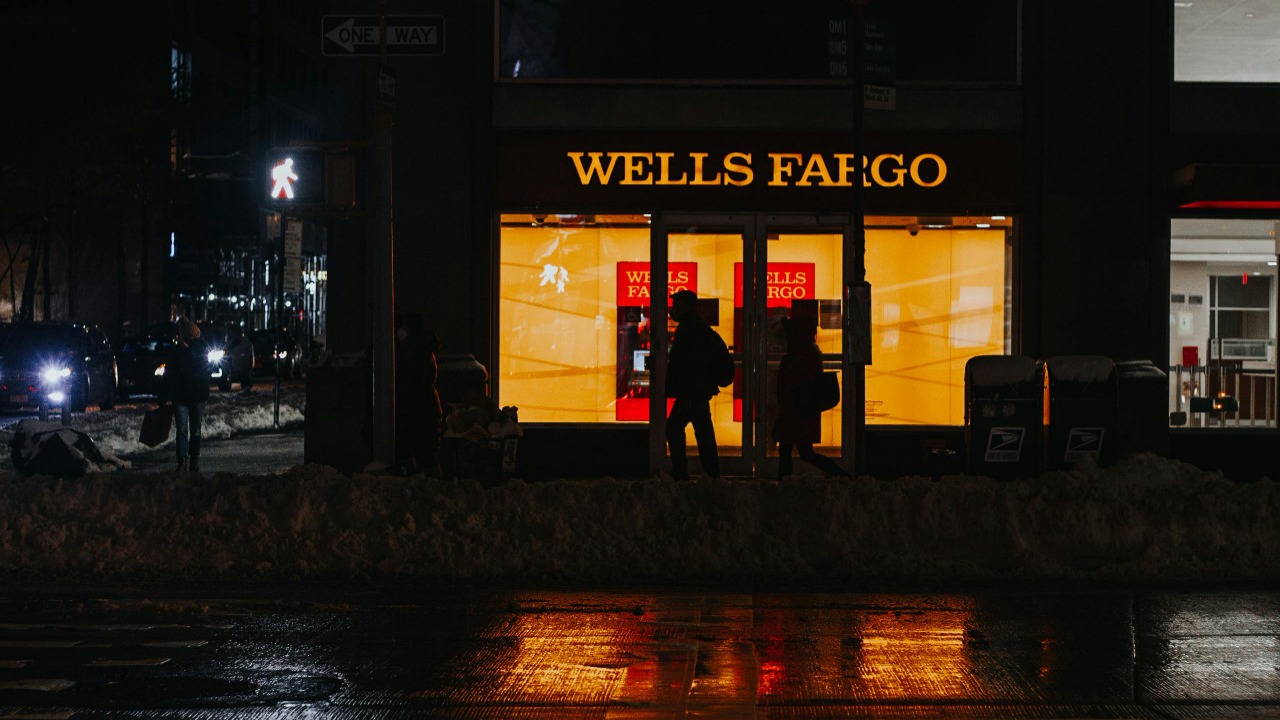
Wells Fargo has agreed to pay $33 million to resolve a class action lawsuit accusing the bank of helping shady “free trial” marketers lock customers into recurring subscription charges. The deal could send cash payments to people across the United States who were enrolled in billing plans they never clearly agreed to. Understanding who qualifies, how to claim a share, and what this case signals for future financial enforcement is critical before deadlines start to hit.
The settlement centers on allegations that Wells Fargo knowingly processed payments for third-party sellers that used deceptive free trials and negative-option billing, often targeting people who thought they were making a one-time purchase. While the bank denies wrongdoing, the agreement creates a path for affected customers to recover money and adds another chapter to the broader push to rein in abusive subscription practices.
How the $33M Wells Fargo case came together
The lawsuit grew out of a familiar pattern in the subscription economy: consumers sign up for what looks like a low-cost trial, then discover months of recurring charges buried in fine print or hidden behind confusing cancellation rules. According to the complaint, Wells Fargo continued to process these payments for years even as complaints mounted, allegedly giving cover to marketers that relied on aggressive “free trial” funnels and negative-option renewals. The $33 million settlement is designed to unwind some of that harm by returning money to people who were pulled into recurring billing without clear consent, as detailed in the core class action allegations.
Earlier in the process, the court approved a dedicated website to centralize information for affected customers, a step that typically signals a settlement is moving from negotiation to implementation. The official portal, described as the Wells Fargo Class Action Settlement Website Is Live, is expected to host the claim form, detailed eligibility rules, and mailing timelines for checks or electronic payments. That structure mirrors other large consumer settlements, where a central administrator handles verification and distribution so that individual customers do not have to navigate the court system on their own.
Who qualifies for a share of the $33M payout
The settlement class is defined around people who were enrolled in recurring billing programs tied to specific marketing partners that worked with Wells Fargo. Reporting indicates that the class generally includes customers who were signed up for subscription charges by entities associated with Tarr and Triangle, as well as related marketers that used similar free-trial funnels. The class definition, summarized in a Who is included section, focuses on those who were placed into ongoing billing rather than people who made a single, clearly disclosed purchase.
Another key criterion is geography and timeframe. The agreement benefits anyone in the United States who was enrolled in recurring billing by Tarr, Triangle, or Apex entities during the covered period, which stretches back more than a decade. That means a customer who signed up for a “risk-free” skin cream sample in 2012 and then saw monthly charges from an Apex affiliate could be in the same class as someone who tried a dietary supplement trial in 2020 and was billed by a Triangle-linked processor. The eligibility language, outlined in a Who is eligible for the Wells Fargo payment explainer, makes clear that the focus is on recurring charges tied to Tarr, Triangle, or Apex entities since 2009.
How much money consumers could receive
Wells Fargo is paying $33 million into the settlement fund, a figure that will be divided among class members after administrative costs and any court-approved fees. The agreement describes the bank’s obligation as a $33 m payment, and coverage of the deal repeatedly notes that Wells Fargo is paying $33 million in a class action settlement to resolve the subscription billing claims. Consumers who qualify will receive a cash payment as compensation, with the exact amount depending on how many people file valid claims and how much each person was charged, as reflected in reporting that Wells Fargo is paying $33 million to settle the case.
While the per-person payout will not be known until the claims window closes, similar subscription settlements often use a tiered structure that ties awards to the number of months a consumer was billed. For example, someone who was charged for a single month might receive a modest check, while a customer who paid recurring fees for a year or more could see a larger share of the fund. A detailed breakdown of the settlement mechanics, including how the $33 million will be allocated and what documentation may be required, is available in the subscription billing settlement overview that tracks the case. That structure is designed to balance fairness with administrative simplicity so that people can claim money without hiring a lawyer or digging through years of bank statements.
How to file a claim and key deadlines
For consumers who think they might be covered, the most important step is to submit a claim through the official administrator rather than waiting passively for a check. The settlement website is expected to host an online form where people can confirm their identity, provide contact information, and attest that they were enrolled in recurring billing by one of the covered entities. A detailed timeline, including when the portal opened and when notices must be mailed, is laid out in the settlement implementation schedule, which also explains when payments are expected to go out.
Consumers who prefer paper can typically request a mailed claim form, similar to the process used in other class actions like the Treehouse Foods frozen waffle settlement, where a full list of covered items and the claim form are posted on the administrator’s site so people can find the claim form and submission instructions. In the Wells Fargo case, notices are expected to go out by mail and possibly email, but people who suspect they were affected should not wait for a postcard if they recognize charges from Tarr, Triangle, or Apex entities on old statements. Filing early reduces the risk of missing a deadline or having a claim rejected for incomplete information.
Why this settlement matters for “free trial” billing and bank oversight
The Wells Fargo deal lands at a moment when regulators and courts are increasingly skeptical of “free trial” marketing that quietly converts into paid subscriptions. Federal agencies have warned that negative-option billing, where silence or inaction is treated as consent to ongoing charges, can be deceptive when cancellation is difficult or key terms are hidden. The Consumer Financial Protection Bureau has highlighted how its civil penalty fund is used to return money to people harmed by unlawful financial practices, explaining that the civil penalty fund exists to compensate consumers even when individual companies cannot or will not pay full restitution. While the Wells Fargo settlement is a private class action rather than a government enforcement action, it reflects the same pressure on financial institutions to police the merchants they support.
The case also underscores the role of class action lawyers and consumer advocates in surfacing patterns that might otherwise stay buried in individual complaints. One of the lead attorneys involved in similar consumer protection litigation, Julie G. Reiser, is profiled as a partner who focuses on complex class actions and has built a career representing people harmed by unfair business practices, as described in her professional biography. Public awareness campaigns have amplified that work, with consumer-focused accounts on social media sharing updates about the Wells Fargo settlement and directing followers to claim forms, including posts like this Instagram alert that flags the free-trial recurring billing settlement. Together with resources that track major consumer cases, such as the free-trial recurring billing settlement listings, these efforts make it more likely that people who were quietly charged for unwanted subscriptions will finally see some money back.
What comes next for Wells Fargo customers and similar cases
Once the court gives final approval, the settlement administrator will begin processing claims and cutting checks or issuing electronic payments, a phase that can take months in a nationwide class action of this size. A hearing has been scheduled to finalize the agreement, with notice that the settlement approval session is set for a specific afternoon, as reflected in the settlement hearing details. After that hearing, the focus will shift from legal arguments to the practical work of verifying who qualifies and how much each person should receive from the $33 million fund.
For Wells Fargo customers, the broader lesson is to scrutinize any “risk-free” offer that requires a card number, whether it is a teeth-whitening kit advertised on Instagram or a streaming add-on promoted through a smartphone app. The bank’s agreement to pay $33 m to resolve the class action, as noted in coverage that highlights how Wells Fargo is paying $33 million, will not automatically fix every deceptive subscription funnel in the market. But it does send a signal that financial institutions can face real costs if they ignore red flags about the merchants they support, and it gives people who were quietly billed by Tarr, Triangle, or Apex-linked programs a concrete opportunity to reclaim some of what they lost.
More From TheDailyOverview

Silas Redman writes about the structure of modern banking, financial regulations, and the rules that govern money movement. His work examines how institutions, policies, and compliance frameworks affect individuals and businesses alike. At The Daily Overview, Silas aims to help readers better understand the systems operating behind everyday financial decisions.