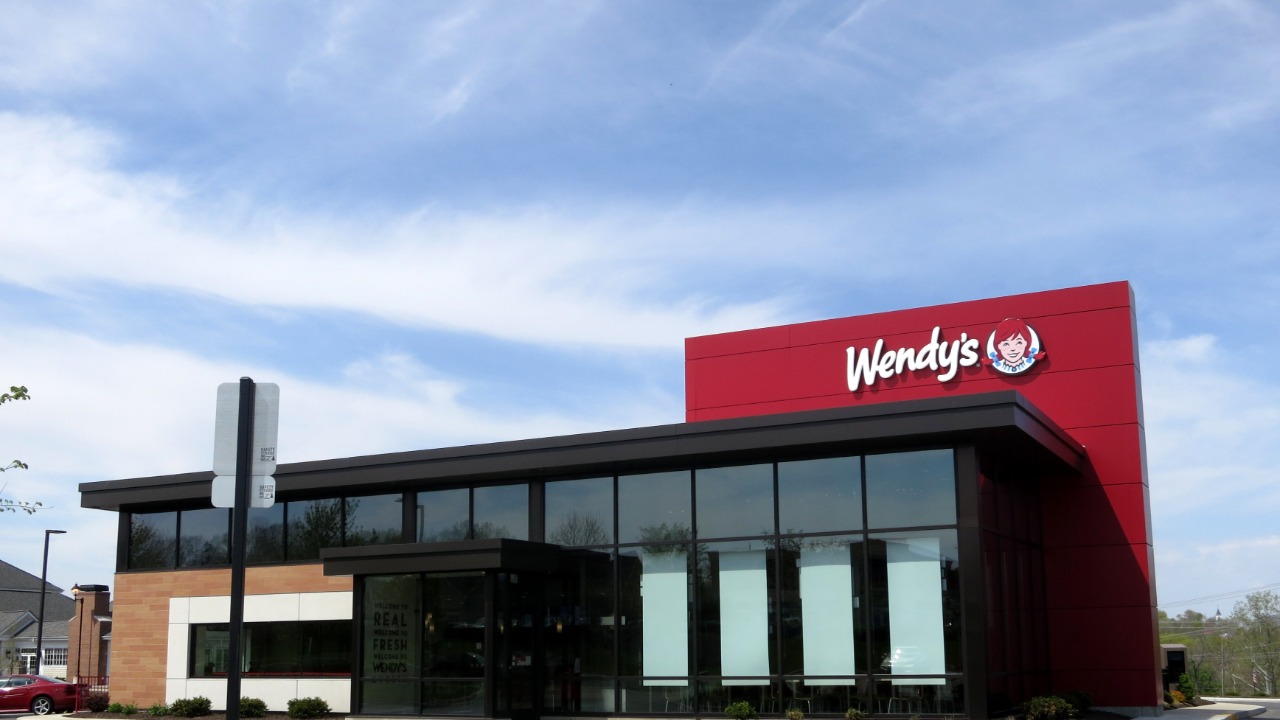
Wendy’s is preparing one of the most aggressive retrenchments in modern fast food, with plans to shut hundreds of U.S. restaurants just as lower income diners are pulling back. The cuts signal how sharply consumer strain is reshaping the everyday business of selling burgers and fries, and how even a familiar brand is being forced to rethink where and how it operates.
Behind the closures is a simple, uncomfortable reality: the customers who built the value-menu era are running out of room in their budgets, and the company is choosing to shrink in some communities while betting on growth in others.
The scale of the shutdowns
The headline number is stark. Reporting indicates that Wendy is preparing to close between 200 to 350 U.S. restaurants, a mid single digit share of its domestic footprint that will roll out over the next year and into 2026. One analysis describes Wendy’s move as part of a broader plan to shutter hundreds of locations as budget shoppers pull back, underscoring that this is not a handful of underperformers quietly disappearing but a coordinated retrenchment across the system.
Separate reporting frames the effort as the Largest Fast Food Cutback in the United States, with Wendy Shuts 300 Stores and thousands of jobs at risk as locations go dark in communities across the country. When I put those figures together, the picture that emerges is of a chain willing to accept a meaningful hit to its physical presence in order to reset its economics, even if that means ceding territory to rivals in the short term.
Consumer strain and the low income squeeze
The strategic retreat is rooted in a shift that has been building for months: low income households are cutting back on discretionary spending, including quick service meals that once felt like an affordable indulgence. One detailed account notes that Wendy’s is closing hundreds of U.S. stores as low income consumers cut back, with little expectation that pressure on these households will ease soon. That is a crucial point: the company is not treating this as a brief wobble in demand but as a structural squeeze that requires a structural response.
Executives have also been candid that some restaurants are simply not pulling their weight in this environment. In one explanation, a leader identified as Cook described the closures as targeting a mid single digit percentage of U.S. locations that are underperforming, with the goal of improving the long term health of the overall system. When I read that alongside the warnings about strained budgets, it is clear the company is not only reacting to weaker traffic but also using the moment to prune stores that no longer fit its financial model.
From closures to a reshaped footprint
Even as the company prepares to pull back in some neighborhoods, it is quietly sketching out a different map of where it wants to be. One report notes that the Dublin, Ohio based burger giant plans to close 140 underperforming locations while also planning an equal number of new openings in areas it believes can generate better business. That is a classic portfolio move: shutter where returns are weak, reinvest where demographics, traffic patterns, or income levels look more promising.
At the same time, coverage of the broader plan to shut hundreds of U.S. locations stresses that Wendy’s has not yet disclosed the exact mix of closures versus new stores, or the total number of restaurants that will ultimately be affected. One detailed breakdown notes that Wendy announced it will shutter hundreds of U.S. locations in the coming months as the company faces declining traffic from budget shoppers, but stopped short of spelling out the final store count. For workers and local officials, that uncertainty makes it harder to plan, even as the broad direction of travel is unmistakable.
Jobs, communities, and the human cost
Behind every shuttered restaurant is a staff that has to figure out what comes next. The description of Wendy Shuts 300 Stores in the Largest Fast Food Cutback explicitly warns that thousands of jobs are at risk as locations close in communities across the country. For many workers, these are entry level roles or second jobs that help cover rent, car payments, or childcare, and the loss of a local Wendy’s can ripple through a household budget as sharply as the loss of a factory shift.
Communities feel the impact too. In smaller towns, a single quick service restaurant can function as an informal gathering spot, a late night option for shift workers, and a reliable tenant in a strip mall that anchors other small businesses. When a chain like Wendy’s pulls out, landlords lose a national brand, neighboring shops lose foot traffic, and local governments lose a modest but steady stream of sales tax. The reporting that thousands of jobs are at risk is a reminder that what looks like a mid single digit percentage adjustment on a corporate slide deck can translate into very personal upheaval on the ground.
Strategy, brand, and what comes next
For Wendy’s leadership, the closures are being framed as a necessary reset rather than a retreat from the U.S. market. Cook’s reference to a mid single digit percentage of locations being targeted, paired with the explanation that the decision is meant to improve the long term health of the overall system, suggests a belief that a leaner footprint can still support growth in digital ordering, drive thru sales, and new formats. One detailed account notes that systemwide sales globally grew even as some restaurants underperformed, which helps explain why executives are willing to cut weaker stores to protect margins and brand strength, as reflected in the decision to close underperforming locations.
At the same time, the company is still investing in its core identity and menu. Its official site highlights ongoing promotions, digital deals, and the familiar square burgers that have defined the brand for decades, signaling that Wendy’s marketing and menu strategy is not standing still even as the store map changes. Reporting by Jordan Valinsky notes that the chain is closing hundreds of restaurants after reviewing underperformance issues, with the analysis tying the move to a broader effort to shore up earnings and refocus on locations that can deliver stronger returns, as described in the coverage of closures and earnings. When I connect those dots, I see a company betting that a smaller, more profitable network of restaurants, backed by aggressive digital engagement, is a better answer to consumer strain than simply trying to ride out the storm with every existing store intact.
More From TheDailyOverview
- Tennessee loses $2.6B megafactory and faces major layoffs
- Retired But Want To Work? Try These 18 Jobs for Seniors That Pay Weekly
- What to do with your pennies after the U.S. stops minting them
- Home Depot CEO warns of a troubling customer trend in stores

Grant Mercer covers market dynamics, business trends, and the economic forces driving growth across industries. His analysis connects macro movements with real-world implications for investors, entrepreneurs, and professionals. Through his work at The Daily Overview, Grant helps readers understand how markets function and where opportunities may emerge.

