
When Europeans visit the United States, they often encounter everyday conveniences that Americans take for granted but are seen as luxuries back home. This cultural contrast highlights differences in lifestyle and resource use, with certain American norms appearing extravagant to European eyes. From air conditioning to spacious refrigerators, these elements of American life offer a glimpse into the diverse ways comfort and convenience are perceived across the Atlantic.
Air Conditioning

In the United States, air conditioning is a staple in homes, offices, and public spaces, providing relief from the sweltering summer heat. However, for many Europeans, the widespread use of air conditioning is seen as an unnecessary luxury. In Europe, where energy costs are typically higher and environmental concerns more pronounced, air conditioning is less common and often reserved for particularly hot days or specific locations like hotels and shopping centers. This difference in usage reflects broader cultural attitudes towards energy consumption and environmental responsibility. According to a report from Upworthy, Europeans visiting America are often surprised by how ubiquitous air conditioning is, viewing it as a comfort that borders on indulgence.
While Americans might consider air conditioning a necessity, especially in regions with extreme temperatures, Europeans often rely on alternative methods to stay cool, such as opening windows or using fans. This approach not only conserves energy but also aligns with a lifestyle that prioritizes sustainability. The perception of air conditioning as a luxury in Europe underscores the continent’s commitment to reducing carbon footprints and embracing more eco-friendly practices. As climate change continues to be a pressing global issue, the debate over air conditioning’s role in daily life highlights the ongoing challenge of balancing comfort with environmental stewardship.
Moreover, the reliance on air conditioning in the United States is often linked to the country’s architectural styles and urban planning, which prioritize indoor comfort. Many American buildings are designed with sealed windows and central air systems, making natural ventilation less feasible. This contrasts with European architecture, which often incorporates features like shutters and thick walls to naturally regulate temperature. The American approach to climate control reflects a broader cultural emphasis on technological solutions to environmental challenges, whereas Europeans may prioritize passive methods that align with historical building practices and a commitment to reducing energy consumption.
Ice in Drinks

The American penchant for serving drinks with copious amounts of ice is another cultural quirk that leaves Europeans bemused. In the U.S., it’s common to receive a glass filled to the brim with ice cubes, whether at a restaurant or a fast-food drive-thru. This practice is often seen as a hallmark of American hospitality, ensuring that beverages remain refreshingly cold. However, for Europeans, who typically enjoy their drinks at room temperature or with minimal ice, this habit can seem excessive and wasteful. The Upworthy article notes that Europeans view the American use of ice as an extravagant use of resources, especially in a world increasingly conscious of water conservation.
In many European countries, the preference for less ice is rooted in tradition and practicality. For instance, in Italy, a chilled drink is often achieved by storing it in a cool place rather than adding ice. This approach not only conserves water but also allows the drink’s flavors to shine through without being diluted. The American love affair with ice reflects a broader cultural emphasis on abundance and convenience, where the goal is to provide the ultimate refreshment experience. As global awareness of environmental issues grows, the simple act of adding ice to a drink becomes a microcosm of the larger conversation about sustainable living and resource management.
Additionally, the cultural significance of ice in American beverages can be traced back to the country’s history of ice harvesting and refrigeration innovation. In the 19th century, the United States was a leader in the ice trade, exporting natural ice worldwide. This historical context has contributed to the normalization of ice as a standard component of cold drinks. In contrast, European countries, which did not have the same access to natural ice resources, developed different beverage traditions that emphasize the natural flavors of drinks without dilution. This historical divergence underscores the deep-rooted cultural differences in how refreshment is perceived and enjoyed on either side of the Atlantic.
Clothes Dryers

Electric clothes dryers are a common sight in American homes, offering a quick and efficient way to dry laundry. In contrast, many Europeans consider these appliances a luxury rather than a necessity. In Europe, where energy costs are generally higher and space is often at a premium, air-drying clothes is the norm. This method not only saves energy but also extends the life of garments by reducing wear and tear. According to Upworthy, the rarity of clothes dryers in Europe highlights a cultural preference for simplicity and sustainability over convenience.
The reliance on clotheslines and drying racks in Europe is also a reflection of a lifestyle that values patience and tradition. In countries like Italy and Spain, it’s common to see clotheslines strung across balconies, adding a charming touch to urban landscapes. This practice is not only environmentally friendly but also deeply ingrained in the cultural fabric of these societies. For Americans, the convenience of a clothes dryer is often seen as a time-saver, allowing busy individuals to manage household chores more efficiently. However, as environmental concerns become more pressing, the European model of air-drying may gain traction as a viable alternative for those seeking to reduce their carbon footprint.
Furthermore, the environmental impact of clothes dryers is a growing concern in both the United States and Europe. In the U.S., where dryers are prevalent, energy consumption for drying clothes contributes significantly to household electricity use. This has prompted some American households to explore more sustainable options, such as energy-efficient dryer models and hybrid systems that combine air-drying with mechanical drying. In Europe, where air-drying is more common, there is a stronger emphasis on reducing energy use and promoting renewable energy sources. This cultural difference in laundry practices highlights the broader global conversation about energy conservation and the role of individual choices in mitigating climate change.
Large Portion Sizes

American restaurants are renowned for their generous portion sizes, a feature that often astonishes European visitors. In the U.S., it’s not uncommon for a single meal to be large enough to serve two or even three people, with leftovers frequently taken home in doggy bags. This approach to dining is emblematic of a culture that celebrates abundance and value for money. However, for Europeans accustomed to more moderate servings, American portion sizes can seem indulgent and excessive. The Upworthy article highlights this cultural difference, noting that Europeans often view American meals as a symbol of overconsumption.
In Europe, dining is often seen as an experience to be savored, with an emphasis on quality over quantity. Meals are typically smaller, allowing diners to enjoy multiple courses without feeling overwhelmed. This approach not only promotes mindful eating but also aligns with a lifestyle that prioritizes health and well-being. The American tendency towards large portions reflects a broader cultural emphasis on efficiency and satisfaction, where bigger is often perceived as better. As global awareness of health and nutrition grows, the conversation around portion sizes continues to evolve, with many advocating for a more balanced approach to dining that takes both enjoyment and sustainability into account.
Moreover, the trend of large portion sizes in America is often linked to the country’s agricultural abundance and the competitive nature of the food service industry. Restaurants frequently offer large servings as a way to attract customers seeking value for money. This practice has historical roots in the post-World War II era, when food production increased and dining out became more popular. In contrast, European dining traditions emphasize culinary artistry and the enjoyment of food as a social experience, often with smaller, carefully curated portions. This difference in dining philosophy reflects broader cultural attitudes towards food, health, and the social aspects of eating.
Drive-Thru Services

The convenience of drive-thru services is a hallmark of American life, offering quick and easy access to everything from fast food to banking. For Europeans, who often rely on walkable urban setups and public transportation, the prevalence of drive-thrus can be baffling. In the U.S., drive-thru options are seen as a luxurious time-saver, allowing individuals to complete errands without leaving their cars. This convenience is particularly valued in suburban and rural areas, where distances between destinations can be significant. According to Upworthy, Europeans often perceive drive-thrus as an extravagant feature of American consumer culture.
In Europe, the emphasis on walkability and public spaces reflects a lifestyle that prioritizes community and sustainability. Many European cities are designed to encourage walking and cycling, with amenities located within easy reach of residential areas. This approach not only reduces reliance on cars but also fosters a sense of connection and engagement with the local environment. The American preference for drive-thrus highlights a cultural emphasis on speed and efficiency, where convenience is often prioritized over other considerations. As urban planning continues to evolve, the balance between convenience and sustainability remains a key consideration for cities around the world.
Additionally, the rise of drive-thru services in the United States is closely tied to the country’s car-centric culture and suburban development patterns. The expansion of highways and the growth of suburban areas in the mid-20th century facilitated the proliferation of drive-thru establishments, catering to the needs of a mobile population. This convenience-oriented approach is less prevalent in Europe, where urban planning often prioritizes pedestrian-friendly environments and public transportation. The American preference for drive-thrus underscores a cultural emphasis on individual mobility and convenience, while European cities focus on creating vibrant, accessible public spaces that encourage community interaction and sustainable living.
Spacious Refrigerators
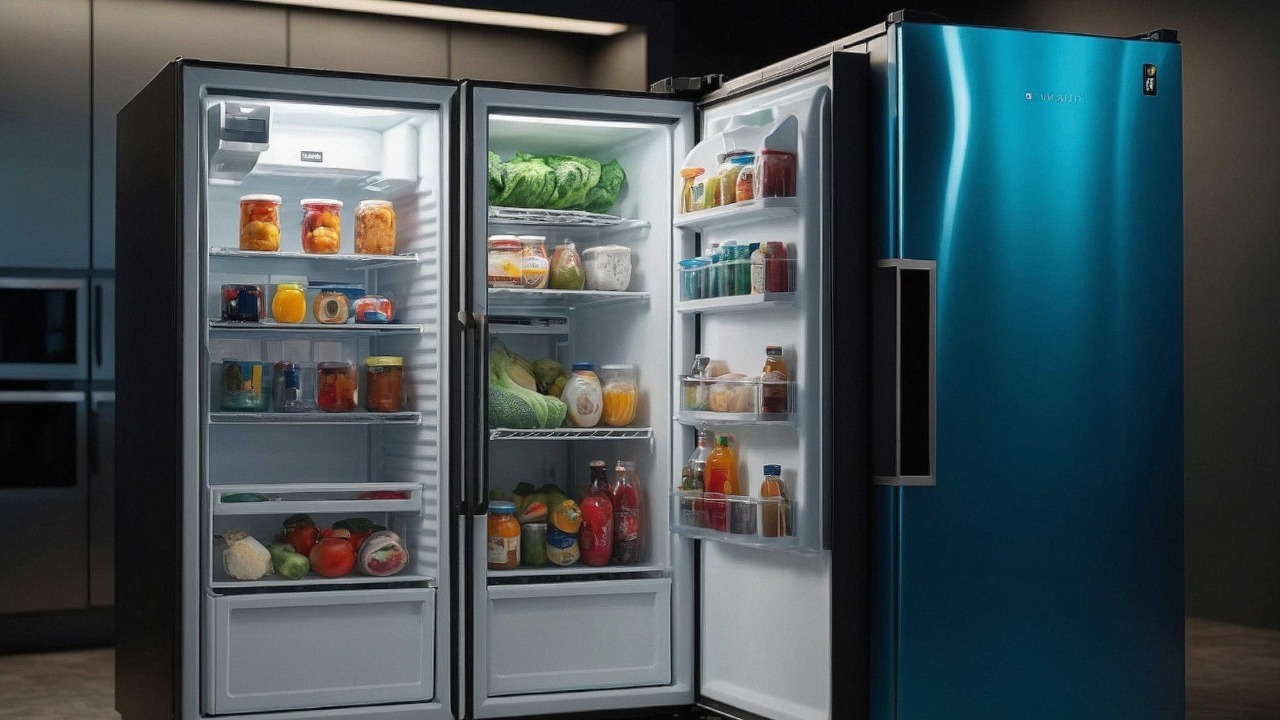
In American homes, spacious refrigerators with features like ice makers and water dispensers are a common sight, symbolizing abundance and convenience. For Europeans, who typically use more compact models, these large appliances can seem excessive. In Europe, where kitchen space is often limited and energy efficiency is a priority, smaller refrigerators are the norm. This difference in appliance size reflects broader cultural attitudes towards consumption and resource use. The Upworthy article notes that Europeans often view American refrigerators as a symbol of abundance, highlighting the contrast between the two regions.
The preference for smaller refrigerators in Europe is also linked to shopping habits, with many Europeans opting for frequent trips to local markets rather than stocking up on groceries in bulk. This approach not only supports local economies but also reduces food waste by encouraging the purchase of fresh, seasonal produce. In contrast, the American model of large refrigerators aligns with a lifestyle that values convenience and preparedness, allowing households to store a wide variety of foods and beverages. As environmental concerns continue to shape consumer choices, the conversation around appliance size and energy efficiency remains a key consideration for both individuals and manufacturers.
Furthermore, the trend towards spacious refrigerators in American homes is influenced by the country’s consumer culture and the availability of large living spaces. In the U.S., where homes are generally larger, there is more room to accommodate sizable appliances. This contrasts with Europe, where smaller living spaces necessitate more compact and efficient designs. The American preference for large refrigerators also reflects a lifestyle that values bulk purchasing and long-term food storage, supported by the widespread availability of large supermarkets. As environmental awareness grows, there is increasing interest in energy-efficient appliances and smart technology that can help reduce the environmental impact of refrigeration in both regions.

Cole Whitaker focuses on the fundamentals of money management, helping readers make smarter decisions around income, spending, saving, and long-term financial stability. His writing emphasizes clarity, discipline, and practical systems that work in real life. At The Daily Overview, Cole breaks down personal finance topics into straightforward guidance readers can apply immediately.

