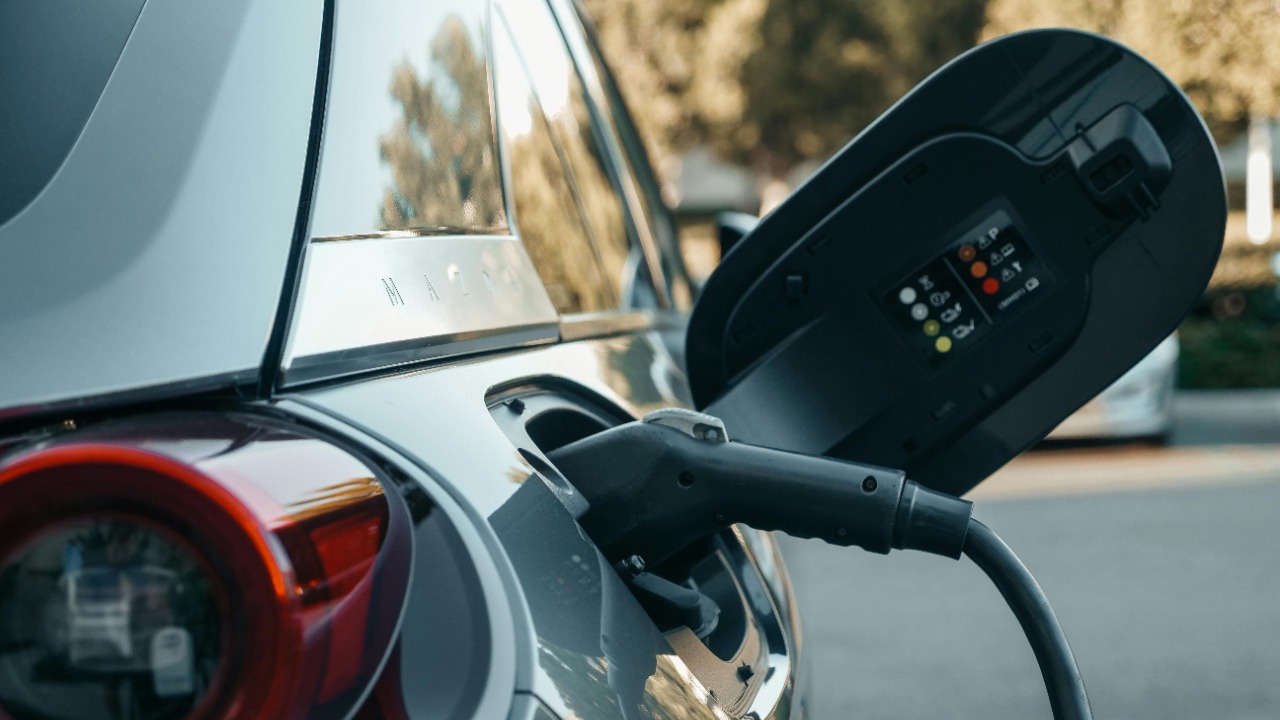
A recent analysis dated November 8, 2025, examines the monthly costs of charging a Tesla electric vehicle compared to fueling a gas-powered Nissan Sentra, revealing potential savings for EV owners amid fluctuating energy prices. This comparison draws on current utility rates and fuel efficiencies to provide drivers with actionable insights into long-term ownership expenses, underscoring how electric options like the Tesla are increasingly competitive against traditional sedans such as the Nissan Sentra.
Cost Assumptions and Methodology
To make a fair comparison between a Tesla and a Nissan Sentra, I start with a shared baseline of 1,000 miles driven per month, which reflects a typical American commuting and errand pattern. For home charging a Tesla, I use an electricity rate of $0.15 per kilowatt-hour, a level that aligns with recent utility averages and underpins the kind of cost modeling featured in detailed EV ownership breakdowns such as the analysis of what it costs to charge a Tesla monthly versus fueling a Ram 1500, which is outlined in recent automotive cost comparisons. On the gasoline side, I assume an average pump price of $3.50 per gallon for the Nissan Sentra, reflecting national trends that factor in both higher-cost coastal markets and lower-cost interior states.
For energy use, I apply Tesla’s commonly cited consumption of approximately 30 kilowatt-hours per 100 miles, which translates to 300 kilowatt-hours to cover 1,000 miles in a typical month. The Nissan Sentra is modeled with a combined fuel efficiency rating of 30 miles per gallon, so driving the same 1,000 miles requires about 33.3 gallons of gasoline. Using these inputs, the calculation method is straightforward: multiply 300 kilowatt-hours by $0.15 to estimate electricity costs, and 33.3 gallons by $3.50 to estimate fuel costs, then compare the totals to see how the monthly budget shifts between an electric Tesla and a gas-powered Sentra. These assumptions matter for drivers because they show how even modest differences in energy prices or efficiency can add up to hundreds or thousands of dollars over the life of a vehicle.
Monthly Charging Costs for Tesla
Applying the baseline assumptions, charging a Tesla at home for 1,000 miles of driving comes to about $45 per month. The math is simple: 300 kilowatt-hours multiplied by $0.15 per kilowatt-hour equals $45, a figure that already looks low next to typical gas bills and becomes even more compelling when utilities offer off-peak charging incentives that reduce overnight rates. Many residential customers can access time-of-use plans that shift charging to cheaper hours, so the effective monthly cost can fall below the headline $45, which directly affects household budgets and makes EV ownership more attractive for cost-conscious drivers.
Actual charging costs vary by Tesla model and battery size, since a Model 3, a Model Y, and a larger Model S or Model X do not consume energy at identical rates, but newer Tesla models from 2025 are designed to achieve better range per charge than earlier generations. That means some owners will use slightly less than 30 kilowatt-hours per 100 miles, trimming the monthly total even further. Regional electricity pricing also plays a major role, with urban customers in high-cost markets paying more per kilowatt-hour than rural drivers in regions with abundant generation, so a Tesla owner in a dense coastal city might see a bill closer to $60 while someone in a lower-cost state could land near $35. For shoppers comparing options, these regional differences highlight why it is important to plug local utility rates into the same formula before deciding whether a Tesla fits their financial plans.
Monthly Fueling Costs for Nissan Sentra
Using the same 1,000-mile monthly driving assumption, the Nissan Sentra’s fuel bill looks very different. At 30 miles per gallon combined, the car needs about 33.3 gallons of gasoline to cover that distance, and at an average price of $3.50 per gallon, the monthly fueling cost comes to roughly $116.55, which I round to about $117 for simplicity. That figure is more than double the estimated Tesla charging cost, and it is highly sensitive to swings in pump prices, so any spike in crude oil or regional supply disruptions can quickly push a Sentra driver’s monthly fuel spending even higher.
Fuel-related maintenance also weighs on the Sentra’s long-term costs, even if it does not show up directly at the gas pump. Gasoline engines require regular oil changes, air filter replacements, and more frequent brake servicing, all of which add to the total cost of ownership over several years. While the 2025 model year Sentra includes incremental improvements to its miles-per-gallon rating, those gains are modest and do not offset rising fuel prices as effectively as the structural advantage EVs enjoy from using electricity. For drivers who log high annual mileage, these recurring fuel and maintenance expenses can significantly erode the apparent upfront price advantage of a conventional compact sedan.
Key Savings and Break-Even Analysis
When I compare the two monthly totals side by side, the savings from driving a Tesla instead of a Nissan Sentra become clear. With an estimated $45 per month to charge the Tesla and about $117 per month to fuel the Sentra, the net monthly savings come to approximately $72 in favor of the EV. Over a five-year ownership period, assuming similar driving patterns and stable energy prices, that gap adds up to more than $4,000 in operating cost savings, a sum that can offset higher purchase prices, help cover insurance, or simply free up cash for other household needs.
The break-even point depends on how much more a buyer pays upfront for a Tesla compared with a Sentra, but lower operating costs and available EV incentives shorten that timeline. If the effective price difference after discounts and credits is in the range that many analysts describe for mainstream EVs versus compact sedans, then the combination of roughly $72 per month in energy savings and reduced maintenance can allow owners to recoup the premium in about two to three years of typical driving. The dynamic has shifted further in favor of EVs since the gas price spikes seen in 2024, which widened the cost gap and prompted updated comparisons that show how quickly fuel volatility can tilt the economics toward electric drivetrains. For buyers weighing long-term value, these trends suggest that the financial case for choosing a Tesla over a Sentra is stronger now than it was just a few model years ago.
Broader Implications for Drivers
Beyond monthly bills, the Tesla versus Nissan Sentra comparison reflects broader environmental and policy currents that are reshaping the car market. Federal EV tax credits of up to $7,500, when available to qualifying buyers and models, effectively lower the real-world purchase price of a Tesla in 2025 and make the break-even math even more favorable. Those incentives, combined with the lower charging costs highlighted in analyses like the recent breakdown of Tesla charging versus gas for a Ram 1500, signal that policymakers are using financial tools to accelerate the shift away from gasoline and toward cleaner power sources, which has implications for emissions, public health, and energy security.
Infrastructure growth is another key factor that influences how drivers perceive the trade-off between a Tesla and a gas-powered Sentra. The expanding Tesla Supercharger network, along with third-party fast-charging stations, reduces range anxiety and makes long-distance EV travel more practical, while gas station access remains ubiquitous but tied to the volatility of oil markets. Fleet operators, from delivery services to corporate car pools, are already responding to these cost and infrastructure signals by shifting more vehicles to electric power, betting that lower per-mile energy costs and simpler maintenance will improve their bottom lines by 2030. For individual drivers, the same forces suggest that choosing an EV today is not only a way to cut monthly expenses but also a step into a transportation ecosystem that is steadily aligning around electricity rather than gasoline.
More From TheDailyOverview
- Dave Ramsey warns to stop 401(k) contributions
- 11 night jobs you can do from home (not exciting but steady)
- Small U.S. cities ready to boom next
- 19 things boomers should never sell no matter what

Cole Whitaker focuses on the fundamentals of money management, helping readers make smarter decisions around income, spending, saving, and long-term financial stability. His writing emphasizes clarity, discipline, and practical systems that work in real life. At The Daily Overview, Cole breaks down personal finance topics into straightforward guidance readers can apply immediately.
