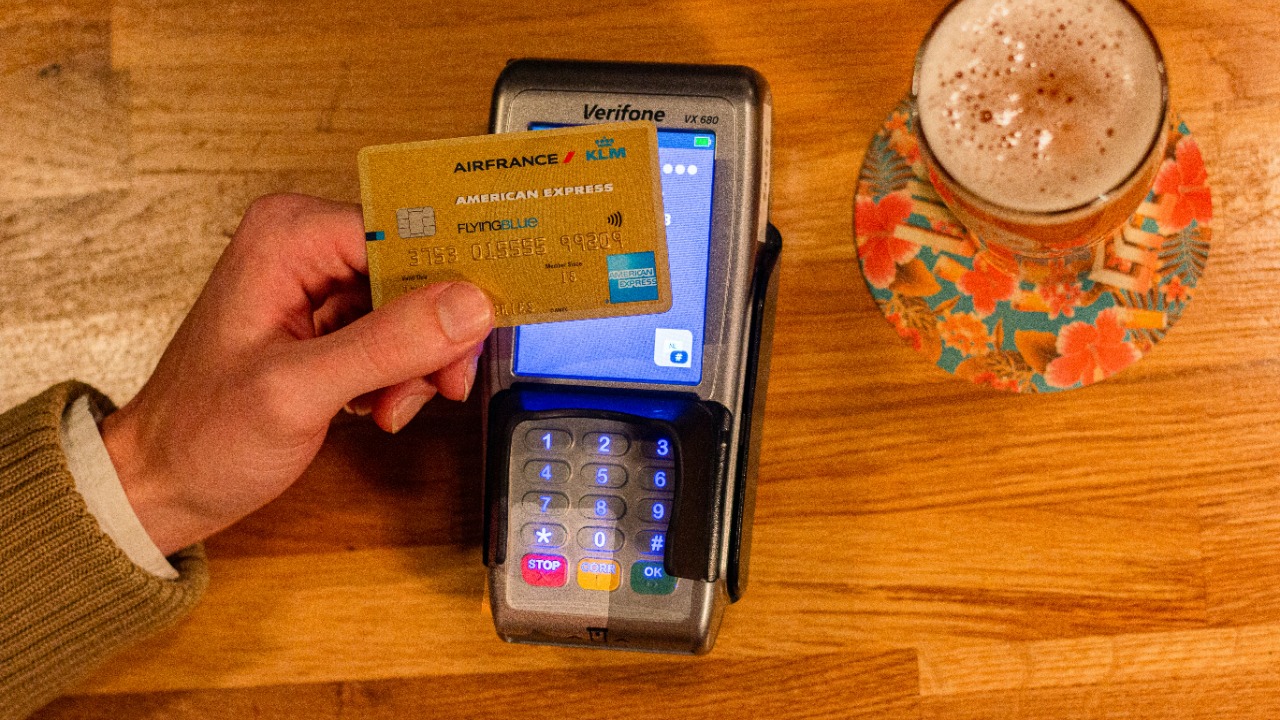
Credit card debt reached a record high in November 2023, highlighting the economic pressures consumers face as they increasingly rely on credit cards amid rising costs. Maxing out a credit card can directly harm your credit score by increasing utilization ratios and potentially leading to missed payments. With debt levels surging, understanding the steps to take when maxed out is crucial for avoiding long-term financial damage.
Immediate Financial Consequences
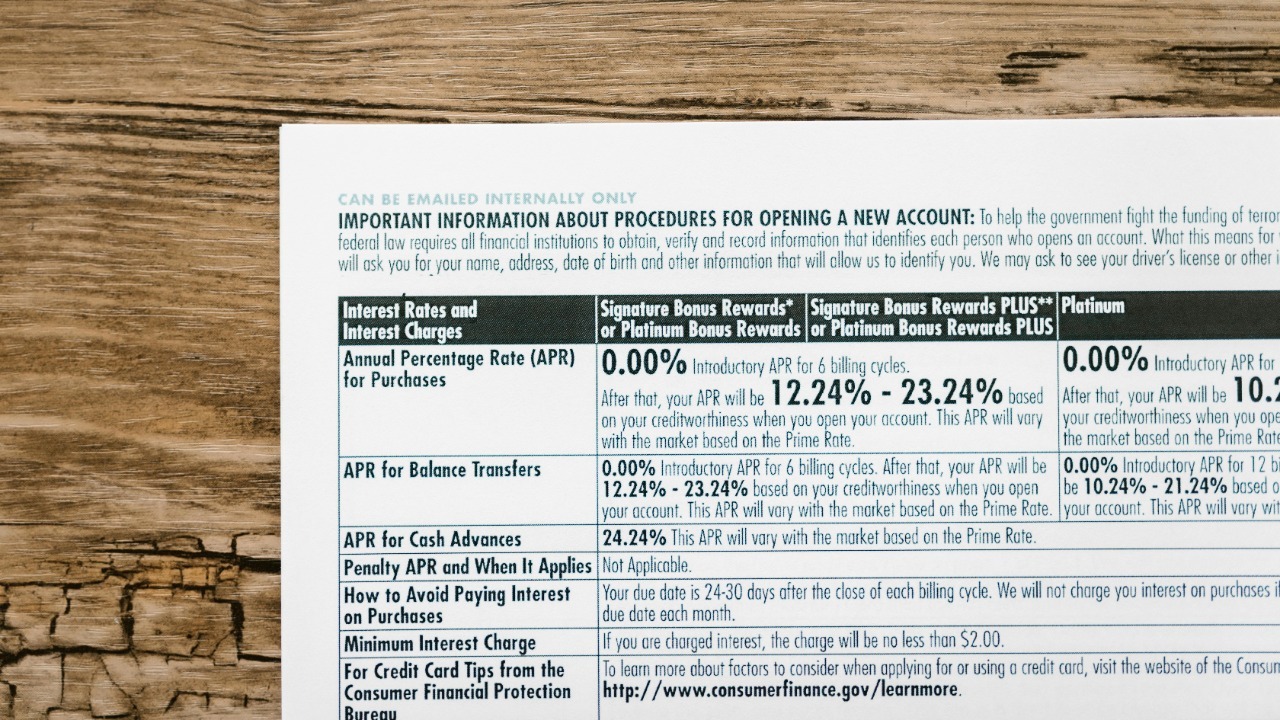
Maxing out a credit card can trigger a cascade of financial consequences. One immediate effect is the imposition of over-limit fees and higher interest rates, which can push balances into penalty APR territory that compounds daily. This situation can quickly escalate the total amount owed, making it even more challenging to pay down the debt. According to NerdWallet, these fees and increased rates can significantly burden cardholders, especially if they are already struggling to manage their finances.
Another consequence of maxing out a credit card is the risk of declined transactions once the credit limit is reached. This can disrupt everyday purchases and emergency needs, leaving cardholders in a precarious position. As reported by The Washington Post, this disruption can be particularly stressful for those who rely on credit cards for essential expenses. Additionally, credit card issuers may reduce available credit or close accounts proactively to mitigate their risk, further limiting future borrowing options. This proactive measure by issuers is highlighted by USA Today, which notes that such actions can have long-term implications for consumers’ financial flexibility.
In addition to these immediate financial impacts, maxing out a credit card can also affect one’s ability to access other forms of credit. Lenders often view high credit card balances as a sign of financial distress, which can lead to higher interest rates on loans or even denial of credit applications. This can be particularly problematic for individuals looking to make significant purchases, such as a car or home, where favorable loan terms are crucial. Furthermore, the psychological impact of being unable to access credit when needed can exacerbate financial stress, leading to a cycle of debt and anxiety that is difficult to break.
Impact on Credit Score and Utilization
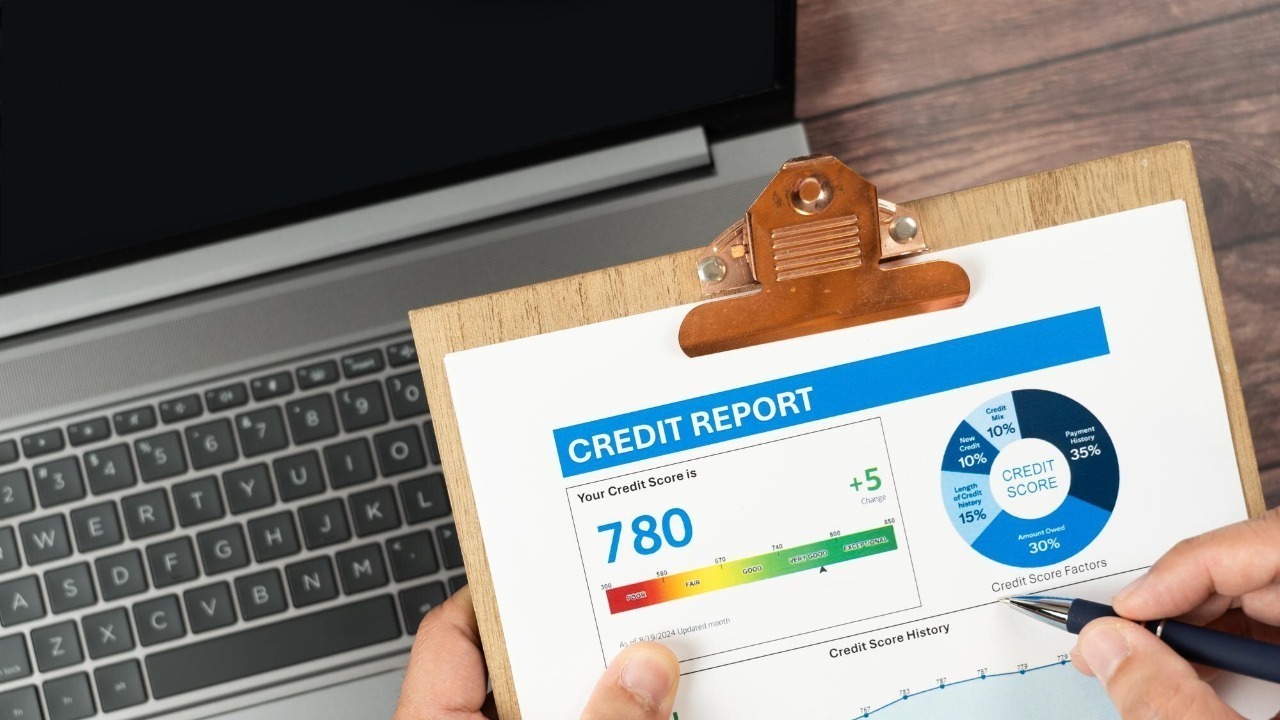
The mechanics of credit utilization are crucial to understanding how maxing out a credit card affects your credit score. Exceeding 30% of the credit limit, especially maxing out, can drop scores by 50-100 points or more, according to Livemint. This significant drop can make it more difficult to secure loans or favorable interest rates in the future. Moreover, maxing out signals risk to lenders, leading to negative marks on payment history if minimum payments aren’t met.
The long-term effects of high credit utilization can be severe. Elevated utilization can persist on credit reports for up to seven years, making it harder to get approved for loans or mortgages. This extended impact underscores the importance of managing credit card balances carefully to avoid long-term financial repercussions. As noted by USA Today, maintaining a healthy credit utilization ratio is essential for preserving creditworthiness and financial opportunities.
Furthermore, the impact on credit scores due to high utilization can extend beyond just borrowing. Insurance companies, landlords, and even some employers may review credit scores as part of their decision-making processes. A lower credit score can result in higher insurance premiums, difficulty securing rental housing, or even missing out on job opportunities. This broad influence of credit scores underscores the importance of maintaining a healthy credit profile, as it can affect various aspects of life beyond just financial transactions.
Strategies for Recovery and Debt Reduction

Recovering from a maxed-out credit card situation requires strategic planning and action. One potential strategy is requesting a credit limit increase to lower utilization ratios. However, it’s important to be aware that this can result in a hard inquiry on your credit report, which could temporarily ding your score. NerdWallet advises considering this option carefully and weighing the potential benefits against the short-term impact on your credit score.
Another effective strategy is utilizing balance transfer options to 0% APR cards, providing breathing room to pay off the balance without accruing additional interest. It’s crucial to pay off the transferred balance before the promotional period ends to avoid high interest rates. Additionally, prioritizing high-interest debt payoff methods, such as the debt snowball or avalanche, can accelerate debt reduction. Contacting issuers for hardship programs can also provide temporary relief and support during challenging financial times, as suggested by The Washington Post.
In addition to these strategies, creating a detailed budget can help manage expenses and prioritize debt repayment. By tracking spending and identifying areas where costs can be cut, individuals can allocate more funds toward paying down credit card balances. Financial counseling services can also offer personalized advice and support, helping individuals develop a tailored plan to tackle their debt. These services often provide resources and tools to improve financial literacy, empowering consumers to make informed decisions and avoid future debt pitfalls.
Broader Economic and Behavioral Implications

The record-high credit card debt in November 2023 reflects wider economic strain, potentially slowing consumer spending and growth. As reported by ABC News, this trend indicates that many consumers are struggling to keep up with rising costs, leading to increased reliance on credit cards. This reliance can create a cycle of debt that is difficult to break, impacting both individual financial health and the broader economy.
Maxing out credit cards can also take a psychological toll, causing stress from mounting interest and the temptation to open new cards, which can worsen financial cycles. The pressure of managing high credit card balances can lead to anxiety and financial strain, affecting overall well-being. Additionally, considerations for closing maxed-out cards versus keeping them open are important. While closing a card might hurt the length of credit history, it can eliminate ongoing fees and reduce the temptation to incur further debt, as discussed by USA Today.
The increase in credit card debt also highlights potential shifts in consumer behavior. As more individuals turn to credit to manage daily expenses, there may be a growing acceptance of debt as a norm, which could influence future financial habits. This normalization of debt can lead to less cautious spending and a reduced focus on saving, potentially impacting long-term financial security. Additionally, the economic environment, characterized by inflation and stagnant wages, may force consumers to prioritize immediate needs over savings, further entrenching reliance on credit. This trend could have lasting effects on economic stability and consumer confidence, as noted by ABC News.

Cole Whitaker focuses on the fundamentals of money management, helping readers make smarter decisions around income, spending, saving, and long-term financial stability. His writing emphasizes clarity, discipline, and practical systems that work in real life. At The Daily Overview, Cole breaks down personal finance topics into straightforward guidance readers can apply immediately.
