In February 2025, President Trump issued an order to end the minting of pennies, a move projected to save taxpayers millions annually. This decision is expected to have minimal impact on Arizona copper mines, prompting Americans to consider what to do with their existing stockpiles as production ceases later this year. While pennies will no longer be newly minted, they will remain legal tender, raising questions about their practical uses and potential future value. With the U.S. Treasury confirming an end date for penny production, households across the country are now evaluating smart strategies for these one-cent coins.
Understanding the Decision to Stop Minting Pennies
President Trump’s executive action to halt penny production is primarily driven by the goal of saving taxpayers millions, as confirmed by the administration. The decision is expected to have a limited impact on the Arizona copper mines, which supply the raw materials for penny production. The cessation of minting is scheduled for later in 2025, marking a significant shift in U.S. Treasury operations. Despite the halt in production, existing pennies will continue to be legal tender, ensuring that they remain a part of everyday transactions.
Experts suggest that the broader economic implications of this policy will be minimal. The penny’s role in cash transactions has diminished over time, with many consumers and businesses already rounding prices to the nearest nickel. This change is expected to streamline cash transactions without causing significant disruption. Analysts have noted that the policy rollout reflects a growing trend towards digital payments, which further reduces the reliance on physical coins.
Practical Ways to Spend Your Pennies Now
As pennies remain valid currency, there are several practical ways to use them in everyday transactions. Consumers can continue to use pennies for exact change in retail settings or round their purchases to the nearest nickel. This approach not only facilitates smoother transactions but also helps clear out coin jars and reduce clutter. Additionally, pennies can be deposited at banks or used in vending machines and laundromats, ensuring they remain in circulation and contribute to cash flow.
In regions like Texas, residents are advised to spend or exchange their pennies before any potential phase-out effects on commerce take hold. By actively using pennies, individuals can avoid the pitfalls of hoarding and ensure that their coins retain their value. This proactive approach aligns with broader efforts to maintain the utility of small denominations in everyday financial activities.
Strategies for Saving and Preserving Pennies
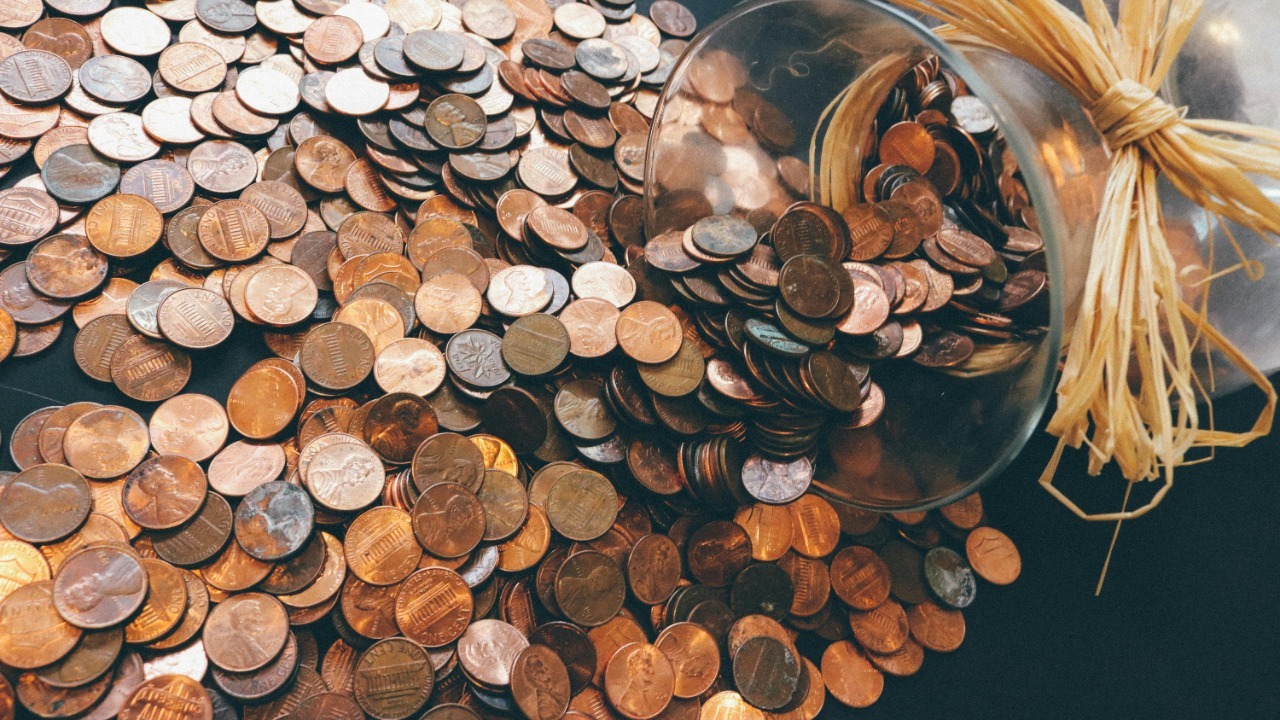
For those interested in preserving their pennies, several strategies can be employed. Rolling pennies for easy bank deposit is a straightforward method that keeps them organized and accessible. Alternatively, organizing pennies in jars can serve both practical and sentimental purposes, allowing individuals to retain a tangible connection to these coins as they transition out of production.
There is also potential for pennies to gain collectible appeal after minting stops. Keeping pre-2025 coins in good condition could attract numismatic interest, as collectors often seek out coins from discontinued series. This potential increase in value makes it worthwhile to consider preserving pennies as part of a broader collection strategy.
For those looking to save pennies in bulk, weighing them can help estimate their value for future exchanges. It’s important to note that melting down pennies for their copper and zinc content is illegal, so any plans for future exchanges should comply with legal guidelines.
Donating, Recycling, and Alternative Uses for Pennies
Donating pennies to charitable organizations is a meaningful way to repurpose these coins. Many food banks and schools accept loose change, and contributions can support community impact programs that rely on small denominations. This approach not only benefits charitable causes but also helps individuals declutter their coin collections.
Eco-friendly recycling options are available through authorized channels, allowing the copper content in pennies to be recovered without personal processing. This environmentally conscious approach ensures that pennies are repurposed responsibly, contributing to sustainability efforts.
For those interested in creative uses, pennies can be employed in various household projects. They can be used to weight down items or incorporated into simple crafts. However, it’s important to adhere to legal limits on non-currency applications to avoid waste and ensure compliance with regulations.
Overall, the end of penny minting presents both challenges and opportunities for individuals and communities. By exploring practical uses, preservation strategies, and alternative applications, Americans can navigate this transition effectively and make informed decisions about their one-cent coins.
More From TheDailyOverview
- Dave Ramsey says these two simple questions show whether you’re rich or poor
- Retired But Want To Work? Try These 18 Jobs for Seniors That Pay Weekly
- IRS raises capital gains thresholds for 2026 and what’s new
- 12 ways to make $5,000 fast that actually work

Silas Redman writes about the structure of modern banking, financial regulations, and the rules that govern money movement. His work examines how institutions, policies, and compliance frameworks affect individuals and businesses alike. At The Daily Overview, Silas aims to help readers better understand the systems operating behind everyday financial decisions.

