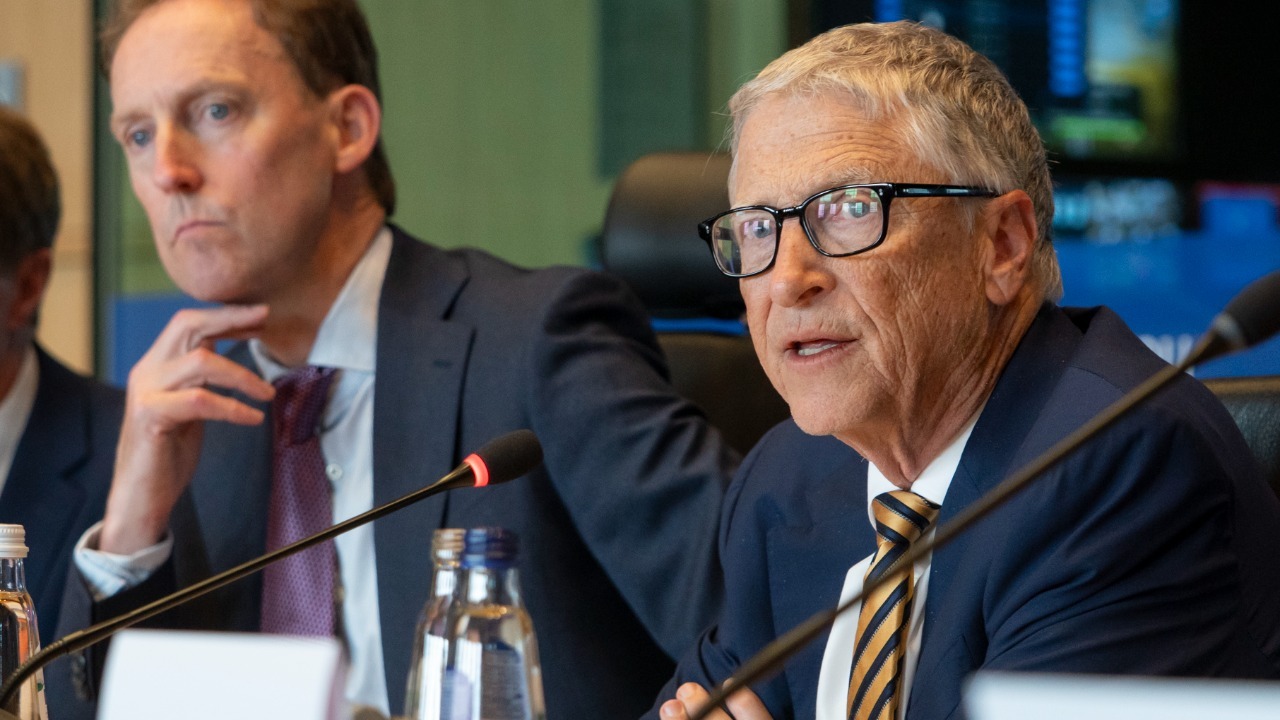
Bill Gates, the co-founder of Microsoft and a prominent philanthropist, revealed in a 2021 Reddit AMA that he owns approximately 275,000 acres of farmland across 19 states in the United States. This makes him the largest private owner of American farmland, equating to owning 1 out of every 4,000 acres of total U.S. farmland. Gates explained that these holdings are managed through his investment firm, Cascade Investments LLC, and were acquired gradually over the years for diversification purposes rather than through any single large purchase. In interviews, Gates emphasized farmland’s role as a stable, inflation-resistant asset in his portfolio.
Gates’ Entry into Farmland Ownership
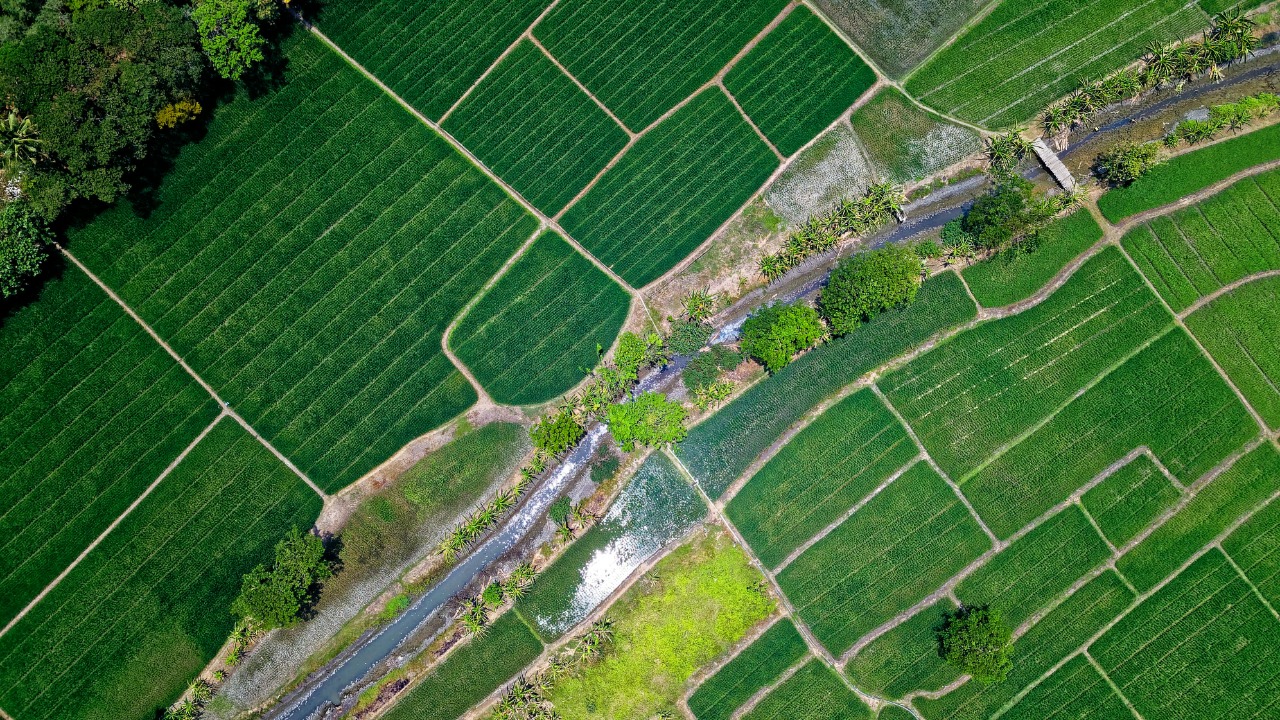
Gates’ venture into farmland ownership began in the early 2010s through his private investment vehicle, Cascade Investments LLC. Significant acquisitions include 14,500 acres in Nebraska in 2017, along with additional tracts in states such as Arkansas, Louisiana, and Washington. By 2021, Gates’ portfolio had expanded to 275,000 acres, surpassing other major owners like the Emmerson family and positioning Cascade as the top individual farmland investor in the U.S. This strategic move highlights Gates’ interest in diversifying his investments beyond the technology sector.
Despite owning vast tracts of land, Gates does not directly engage in farming activities. Instead, he leases the land to operators who produce crops such as potatoes, carrots, and other vegetables in key agricultural regions. This approach allows Gates to maintain productive use of the land while benefiting from the steady income generated through leasing. The decision to lease rather than farm directly underscores Gates’ focus on investment returns and diversification rather than personal involvement in agriculture.
Scale and Geographic Spread of Holdings

The 275,000 acres of farmland owned by Gates are distributed across 19 states, with the largest concentration in Louisiana, where he purchased around 69,000 acres from the Poydras family in 2013. In Nebraska, Gates owns over 20,000 acres, including a significant acquisition of 14,500 acres from the Pottawatomie Tribe in 2017. This extensive portfolio represents about 0.03% of the nation’s 911 million acres of farmland, illustrating the scale of Gates’ investment in the agricultural sector.
Additional holdings include 12,500 acres in Arkansas and properties in Washington state near Gates’ hometown. These acquisitions have been verified through public land records and USDA data, ensuring transparency in Gates’ ownership. The geographic spread of these holdings reflects a strategic approach to investing in diverse agricultural regions, each offering unique opportunities and challenges. This diversification not only mitigates risk but also positions Gates to capitalize on varying agricultural trends and market conditions.
Strategic Reasons for Farmland Investments
In a 2021 interview, Gates described farmland as his “best investment,” citing its historical appreciation rate of 11% annually over the past 20 years, which outpaces many traditional assets. This perspective highlights the financial appeal of farmland as a stable and appreciating asset class. Gates emphasized the importance of diversification, noting that farmland provides steady returns through leasing and serves as a hedge against inflation, separate from his Microsoft wealth.
Beyond financial motives, Gates has expressed interest in agricultural innovation, linking his investments to his philanthropic efforts through the Gates Foundation. The foundation focuses on sustainable farming practices to address global food security, aligning with Gates’ broader vision of leveraging technology and innovation to solve pressing global challenges. This dual focus on financial returns and social impact underscores the multifaceted nature of Gates’ investment strategy.
Public Scrutiny and Gates’ Responses
Speculation about Gates’ motives arose in 2021 after reports revealed him as America’s top farmland owner. Questions emerged regarding potential intentions to control the food supply or employ tax strategies. In response, Gates addressed the controversy in a Reddit AMA, stating, “The idea that I’m doing this to hurt the environment is nonsense,” and clarifying that he has no intent to develop the land for non-agricultural uses. This direct engagement with public concerns reflects Gates’ commitment to transparency and accountability.
Critics, including some farmers and environmental groups, have raised concerns over the influence of billionaires on rural economies. However, Gates countered by noting that the land remains productively farmed under local operators. This approach not only supports local economies but also ensures that the land continues to contribute to the agricultural sector. By maintaining productive use of the land, Gates addresses concerns about potential negative impacts while reinforcing his commitment to sustainable and responsible investment practices.
Gates’ extensive farmland holdings and strategic investment approach highlight the intersection of financial acumen and social responsibility. By leveraging his resources to invest in agriculture, Gates not only diversifies his portfolio but also contributes to broader efforts to enhance food security and promote sustainable farming practices. This dual focus on financial returns and social impact underscores the complexity and significance of Gates’ role as a leading farmland owner in the United States.

Elias Broderick specializes in residential and commercial real estate, with a focus on market cycles, property fundamentals, and investment strategy. His writing translates complex housing and development trends into clear insights for both new and experienced investors. At The Daily Overview, Elias explores how real estate fits into long-term wealth planning.

