
For many individuals, stipends serve as a crucial source of income, often providing just enough to cover immediate expenses. However, when unexpected costs arise, relying solely on a stipend can become a financial challenge. Practical strategies are essential for building an emergency fund, ensuring you’re prepared for any financial surprises.
Understanding the Importance of an Emergency Fund
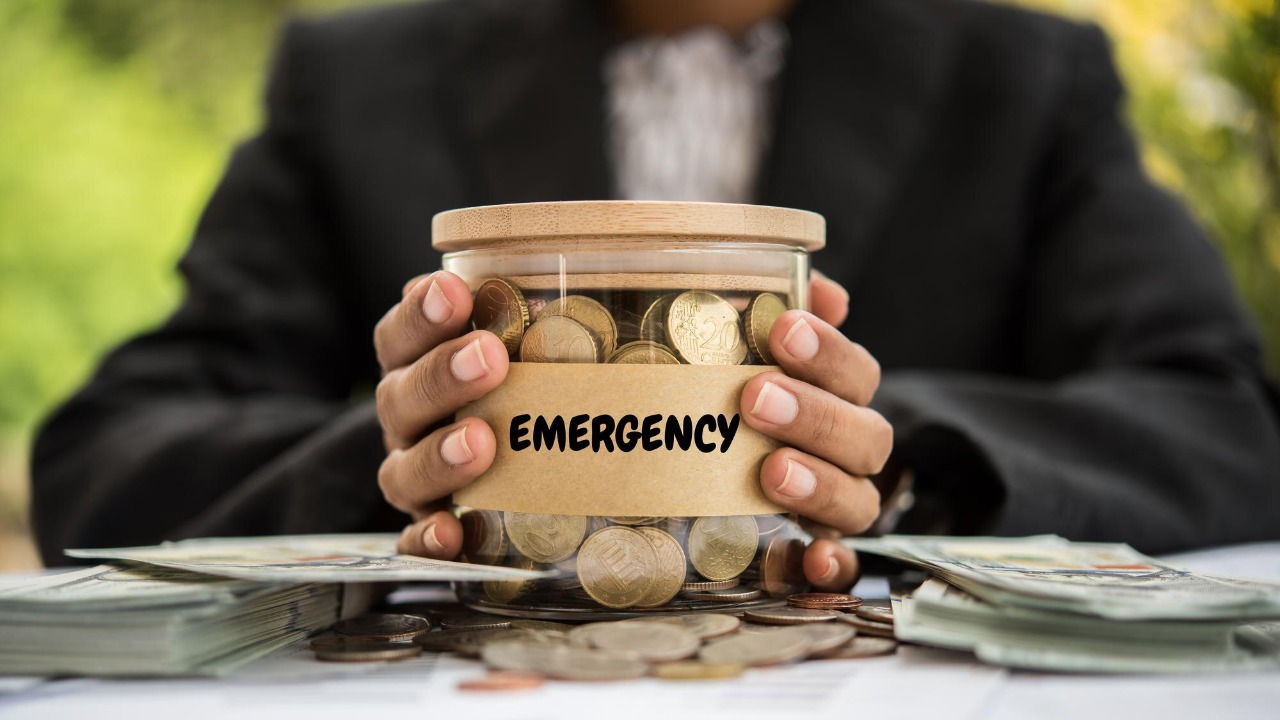
Why Emergency Funds Matter
Having a financial safety net is crucial for navigating life’s unexpected twists and turns. An emergency fund can alleviate stress during unforeseen events, such as medical emergencies, car repairs, or sudden job loss. It provides a cushion that allows you to address these issues without derailing your financial stability. According to Consumer Finance, an emergency fund is essential for everyone, regardless of income level.
Common Misconceptions
Many people believe that emergency funds are only necessary for those with higher incomes. This misconception can prevent individuals from taking the necessary steps to safeguard their financial future. In reality, anyone can benefit from an emergency fund, as it provides peace of mind and security. Another myth is that building such a fund requires large sums of money, but starting small and gradually increasing your savings is a more practical approach.
Real-Life Consequences
Consider the story of Sarah, a recent college graduate who relied solely on her stipend to cover living expenses. When her car broke down, she had no savings to cover the repair costs, forcing her to take out a high-interest loan. This decision led to financial strain that could have been avoided with an emergency fund. Personal experiences like Sarah’s highlight the importance of financial preparedness and the potential consequences of neglecting it.
Strategies for Building an Emergency Fund on a Stipend

Start Small, Think Big
Building an emergency fund on a stipend may seem daunting, but starting with manageable goals is key. Begin by setting aside a small, fixed amount each month, even if it’s just $10 or $20. As your financial situation improves, increase your contributions. This gradual approach not only makes saving more achievable but also helps cultivate a habit of financial discipline.
Automate Your Savings
Automating your savings is an effective way to ensure consistency. Set up automatic transfers from your checking account to a dedicated emergency savings account. By doing so, you’ll avoid the temptation to spend the money elsewhere. Many banks and financial apps offer this feature, making it easy to save without having to think about it. This strategy is highly recommended by Synchrony Bank for those on a tight budget.
Leverage Windfalls Wisely
Occasional windfalls, such as tax refunds or bonuses, present an excellent opportunity to boost your emergency fund. Instead of treating this money as extra spending cash, consider allocating a significant portion to your savings. This approach can significantly accelerate the growth of your fund and provide a more substantial financial buffer.
Budgeting Tips for Maximizing Savings

Prioritize Essential Expenses
To maximize savings, it’s crucial to differentiate between needs and wants. Prioritize essential expenses such as rent, utilities, and groceries, and allocate your stipend accordingly. By focusing on necessities, you can better manage your budget and identify areas where you can cut back. For more detailed budgeting advice, check out NerdWallet’s budgeting guide.
Cutting Back on Non-Essentials
Reducing spending on non-essential items is another effective way to increase savings potential. Consider cutting back on dining out, subscription services, and impulse purchases. Simple changes, like preparing meals at home or canceling unused subscriptions, can make a significant difference over time.
Track Your Spending
Keeping a detailed record of your expenses is essential for identifying areas for improvement. Use budgeting apps or a simple spreadsheet to track your spending habits. This practice not only helps you stay accountable but also highlights patterns that may be hindering your savings efforts. Over time, you’ll become more mindful of your spending and better equipped to make informed financial decisions.
Alternative Income Streams

Freelancing Opportunities
Exploring freelance work can provide a valuable supplement to your stipend income. Platforms like Upwork and Fiverr offer a range of opportunities in fields such as writing, graphic design, and programming. By leveraging your skills, you can earn additional income to contribute to your emergency fund and enhance your financial security.
Part-Time Jobs
Part-time work is another viable option for boosting your income. Whether it’s working weekends at a local retail store or doing evening shifts at a café, part-time jobs can provide additional financial security. The flexibility of these roles allows you to balance work with other commitments while steadily growing your savings.
Passive Income Ideas
Investing in passive income strategies can yield long-term financial benefits with minimal ongoing effort. Consider renting out a spare room on Airbnb, selling digital products online, or investing in dividend stocks. These options can generate consistent income streams, providing extra funds to bolster your emergency savings.
Emergency Fund Maintenance and Growth

Regularly Review Your Fund
Periodically assessing your emergency fund is essential to ensure it meets your current needs and goals. Life circumstances change, and your financial safety net should adapt accordingly. Regular reviews allow you to make necessary adjustments, whether it’s increasing your savings target or reallocating funds to higher-priority needs.
Replenishing After Use
After using your emergency fund, it’s crucial to have a plan for rebuilding it. Prioritize replenishing the fund as soon as possible to maintain its value. Set new savings goals and consider temporary measures, such as cutting back on non-essential spending, to expedite the process. For guidance on how much to save, check out this discussion on Reddit.
Investing for Future Security
Consider exploring safe and low-risk investment options to grow your emergency fund over time. While the primary goal is to maintain liquidity, investing a portion of your savings in stable assets like bonds or high-yield savings accounts can offer additional growth potential. This approach ensures that your fund not only remains intact but also benefits from gradual value appreciation.

Cole Whitaker focuses on the fundamentals of money management, helping readers make smarter decisions around income, spending, saving, and long-term financial stability. His writing emphasizes clarity, discipline, and practical systems that work in real life. At The Daily Overview, Cole breaks down personal finance topics into straightforward guidance readers can apply immediately.
