
Open finance is revolutionizing the way individuals manage their financial affairs by providing greater access to financial data and services. It impacts everyday budgets by enhancing financial transparency and control for consumers. By understanding its implications, individuals can better navigate their personal financial landscapes and optimize their budgeting strategies.
Understanding Open Finance

Definition and Key Concepts
Open finance represents a shift from traditional banking systems to a more interconnected and transparent financial ecosystem. Unlike conventional banking, which often silos financial data within individual institutions, open finance facilitates the sharing of financial information across different platforms and services. This is primarily enabled by technological advancements such as Application Programming Interfaces (APIs) and data-sharing protocols. APIs serve as bridges, allowing third-party developers to access financial data in real-time, fostering an environment where innovation can thrive.
Such innovations allow consumers to access a consolidated view of their financial data across multiple accounts and institutions. This interconnectedness not only enhances user experience but also empowers consumers to make more informed financial decisions. The increased transparency and accessibility simplify the management of personal finances, allowing individuals to streamline budgeting and financial planning processes.
Regulatory Frameworks and Standards
As open finance evolves, regulatory frameworks play a crucial role in ensuring consumer protection and data security. Regulations such as the European Union’s Revised Payment Services Directive (PSD2) mandate that banks allow third-party providers to access customer data with their consent. This regulatory environment, aimed at enhancing competition and innovation, is crucial for fostering trust among consumers and financial institutions alike.
International standards also contribute to the secure and efficient exchange of data. Organizations like the Open Banking Implementation Entity (OBIE) in the UK are instrumental in setting these standards. They create guidelines that ensure interoperability between services while safeguarding consumer data. Such frameworks are vital in maintaining a balance between innovation and security, an essential aspect of the open finance paradigm.
Impact on Personal Budgeting

Enhanced Financial Transparency
Open finance provides consumers with a comprehensive view of their financial status, enabling a more accurate and holistic understanding of their financial health. Real-time data access, facilitated by open finance, allows individuals to track their spending, income, and savings instantaneously. This transparency is crucial for improving financial decision-making, as it provides a clear picture of one’s financial standing at any given moment.
For instance, budgeting apps like YNAB (You Need A Budget) and Mint leverage open finance to offer users personalized insights and recommendations. By aggregating data from multiple sources, these apps help users identify spending patterns and areas for improvement. Such insights are invaluable in refining budgeting strategies, ensuring that individuals can allocate their resources more effectively and achieve their financial goals.
Customization and Personalization of Financial Services
The open finance model also paves the way for highly personalized financial services. By leveraging data from various sources, financial service providers can offer tailored products and advice that cater to individual financial habits and preferences. This customization extends to budgeting tools and apps, which can adjust their functionalities to match the unique needs of each user.
For example, apps like Cleo utilize artificial intelligence to provide personalized budgeting advice and alerts. By analyzing user data, these apps offer suggestions and warnings that align with the user’s financial behavior, helping them maintain a healthy budget. The personalization of financial services not only enhances user experience but also increases the likelihood of achieving financial stability and success.
Benefits for Consumers

Cost Reduction and Increased Competition
One of the most significant advantages of open finance is the promotion of competition among financial service providers. By lowering entry barriers and facilitating the flow of information, open finance encourages new players to enter the market, offering innovative solutions and competitive rates. This heightened competition often results in better rates and lower fees for consumers, making financial services more affordable.
For example, digital banks like Monzo and Revolut have disrupted traditional banking models by offering lower fees and enhanced services. Their success is partly attributed to the open finance environment, which allows them to compete effectively with established banks. This competitive landscape benefits consumers by providing them with a wider array of choices and better value for money.
Improved Access to Financial Products
Open finance also enhances consumers’ access to a diverse range of financial products and services. By breaking down the barriers between financial institutions, open finance enables consumers to explore offerings from different providers, selecting products that best meet their needs. This accessibility is particularly beneficial for underbanked populations, who may have previously been excluded from traditional financial services.
Platforms like Plaid facilitate this access by connecting consumers with various financial services through a single interface. By integrating data from multiple sources, these platforms provide users with a comprehensive view of available products, empowering them to make informed choices. This democratization of access contributes significantly to financial inclusion, allowing more individuals to participate in the financial ecosystem.
Potential Risks and Challenges
Data Privacy and Security Concerns
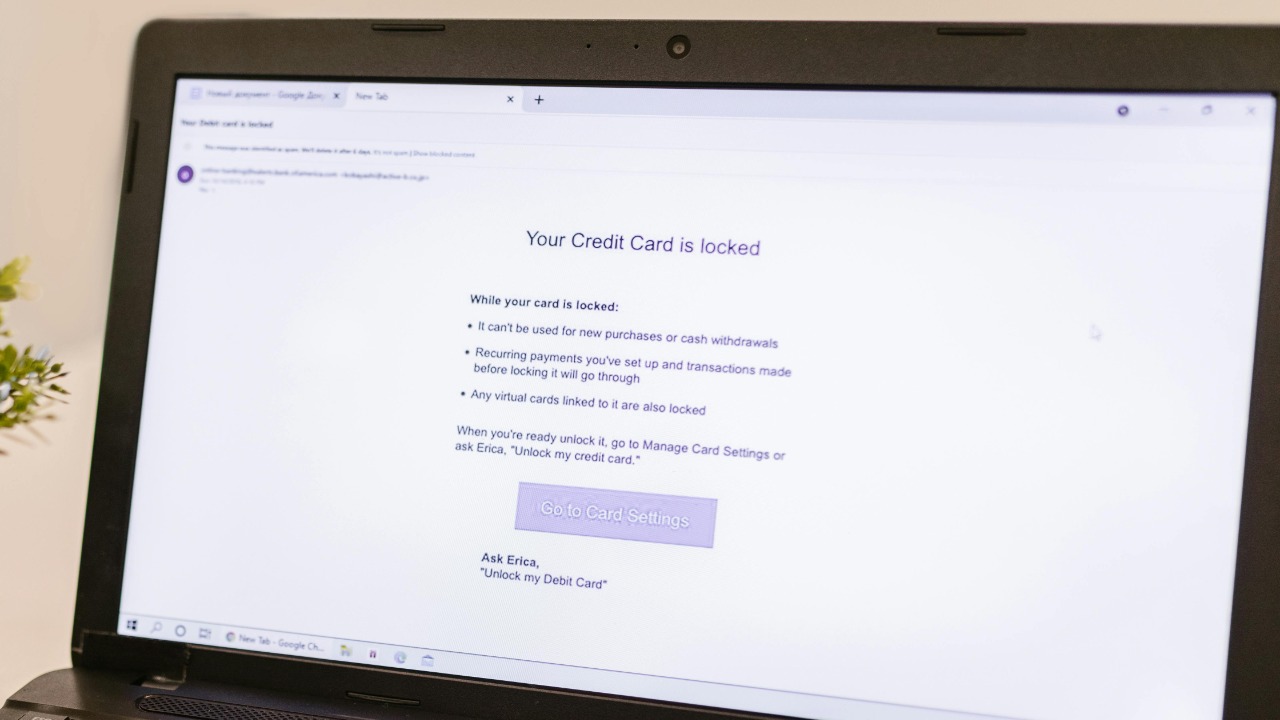
Despite its benefits, open finance poses challenges related to data privacy and security. The increased flow of sensitive financial information raises concerns about data breaches and unauthorized access. To address these risks, industry stakeholders are implementing robust security measures and adopting data protection standards that safeguard consumer information.
Regulations like the General Data Protection Regulation (GDPR) in Europe play a vital role in ensuring data privacy. Financial institutions and third-party providers must comply with these regulations, which mandate strict data handling and consent protocols. By adhering to these standards, the industry aims to mitigate security risks and build consumer trust in open finance systems.
Managing Financial Complexity
The vast amount of data available through open finance can also lead to information overload, complicating financial decision-making for consumers. Navigating this complex landscape requires individuals to develop new skills and strategies for effective budgeting and financial management. Tools and resources that simplify data interpretation are essential in helping consumers make sense of their financial information.
To address this challenge, financial literacy programs and educational resources are becoming increasingly important. By equipping consumers with the knowledge and skills to interpret financial data, these initiatives enable individuals to maintain control over their finances and make informed decisions. As open finance continues to evolve, the emphasis on financial education will remain a critical component of its success.
Future of Open Finance and Everyday Budgets

Emerging Trends and Innovations
The future of open finance is shaped by emerging trends and innovations that promise to further transform personal budgeting. Technologies such as blockchain and artificial intelligence are poised to enhance the security, efficiency, and personalization of financial services. As these technologies mature, they will likely play a central role in the evolution of open finance.
Blockchain, for instance, offers a decentralized and secure method for storing and sharing financial data, reducing the risk of fraud and enhancing transparency. Meanwhile, AI-powered algorithms can analyze vast amounts of data to provide personalized financial recommendations, further streamlining budgeting processes. These advancements promise to enhance the capabilities of open finance, offering new opportunities for consumers to manage their finances effectively.
Long-term Implications for Consumers
In the long term, open finance has the potential to significantly improve individual financial health and stability. By providing greater access to financial services and personalized advice, open finance empowers consumers to make informed decisions that align with their long-term goals. This empowerment can lead to increased financial resilience and a stronger foundation for achieving financial aspirations.
The evolving relationship between consumers and financial institutions in an open finance ecosystem also holds promise for greater collaboration and innovation. As consumers become more engaged and active participants in their financial management, financial institutions are likely to respond with more tailored and responsive services. This dynamic interaction will continue to shape the future of personal finance, offering consumers unprecedented control and flexibility over their financial lives.

Silas Redman writes about the structure of modern banking, financial regulations, and the rules that govern money movement. His work examines how institutions, policies, and compliance frameworks affect individuals and businesses alike. At The Daily Overview, Silas aims to help readers better understand the systems operating behind everyday financial decisions.

