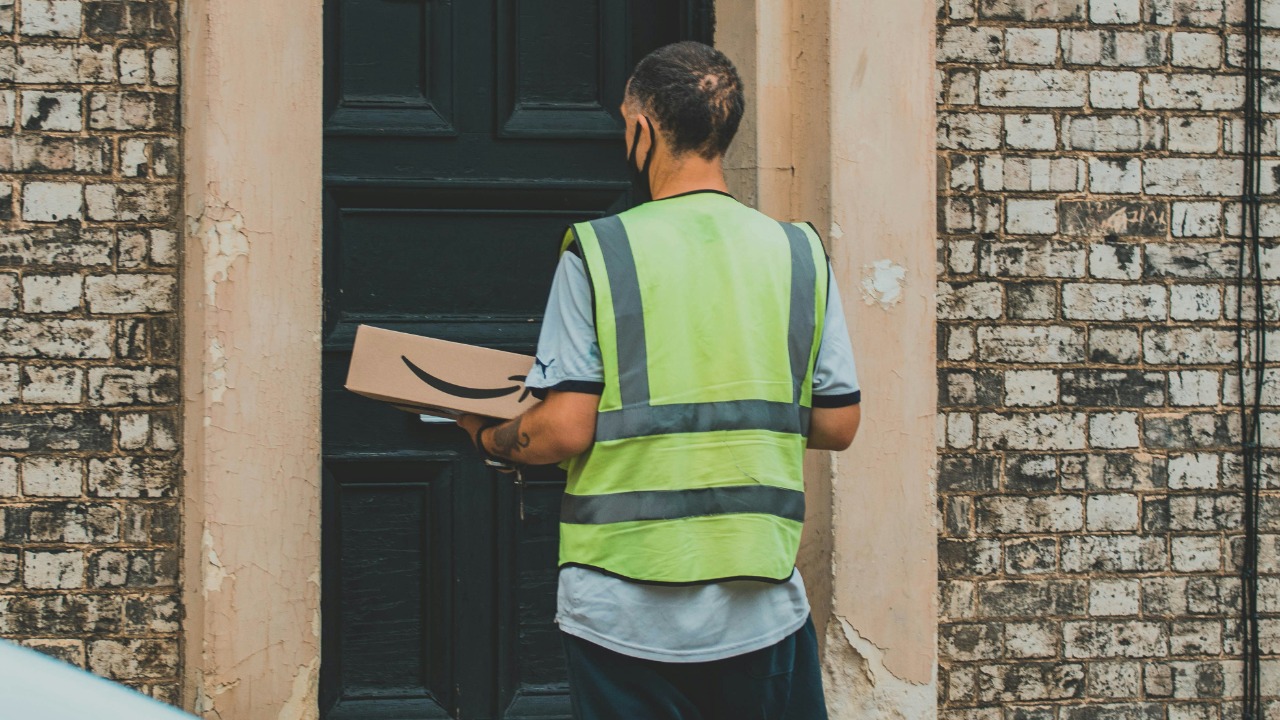
Every time a box goes back across the counter with an Amazon return label, it drops into a sprawling, largely invisible system that decides whether that item will be resold, donated, dismantled, or destroyed. The journey is far more complex than a simple refund screen suggests, and it has quietly created an entire secondary economy of bargain hunters, liquidators, and scammers. Understanding where those returns actually end up reveals how much value is still locked inside unwanted stuff, and how much waste still slips through the cracks.
Behind the easy “start a return” button is a high‑speed network of trucks, sorting centers, resale programs, and nonprofit partners that together form Amazon’s reverse logistics backbone. What happens to your package after you drop it off depends on what it is, what shape it is in, and how quickly it can be moved into another customer’s hands without costing more than it is worth.
From drop‑off to decision: how Amazon sorts your returns
The afterlife of a return starts the moment it leaves your hands and is scanned at a locker, UPS Store, or partner retailer. After that first scan, items are bundled with other unwanted products and shipped in bulk to specialized facilities, where they are checked against your order and inspected for damage, missing parts, or signs of fraud. Company guidance describes this as a multi‑stage process in which each returned item is evaluated so it can be routed to the most profitable or least wasteful outcome.
Third‑party explainers echo that structure, noting in their own Key Takeaways that “Every Amazon” return is inspected “Once” it reaches an “Amazon” facility, with staff checking authenticity, condition, and whether the product can safely be resold. Items that pass those checks are candidates to go straight back into regular inventory, while others are flagged for refurbishment, liquidation, donation, or recycling. That triage is the quiet engine that keeps the returns promise viable at the scale of hundreds of millions of orders a year.
The rules that shape what gets a second life
What ultimately happens to a product is heavily influenced by the rules that govern when and how it can come back. The company’s official policy leans on the slogan “Easy shopping, simple returns,” and spells out that Most items can be sent back within a defined window, with refunds typically issued after the warehouse receives and processes the package. Seasonal tweaks go further: a recent update explained that Amazon allows many purchases made between “Dec.” and the end of the year to be returned through “Jan.”, with exceptions for categories such as “Apple” devices.
Those generous windows are not limitless, however, and they create a hard cutoff for when an item can even enter the reverse logistics stream. Coverage of the company’s 91-Day policy stressed that “Amazon” has set a firm deadline, and that once the “Day Return Policy Ends, Millions Face Risk of Losing Refunds” if they miss it. For the company, those dates are more than fine print: they determine how much inventory will flow back into warehouses in a given quarter, how much staff is needed to process it, and how aggressively it must be resold or liquidated before it goes stale.
Resale, open box, and the rise of Amazon Resale
When a product comes back in near‑perfect condition, the most efficient outcome is to sell it again, either as new or as a discounted open‑box deal. Internal descriptions of the process in the United Kingdom explain that once items are inspected and graded, they move into a stage labeled “Step 5: Items find a new home,” where they are listed as refurbished, pre‑owned, or open box products. That same logic applies globally: if the math works, the company would rather capture some revenue than write off a perfectly usable blender or laptop.
To corral those deals in one place, the retailer has built out a dedicated storefront called Amazon Resale, which it notes was formerly known as “Amazon Warehouse.” Shoppers willing to accept “like‑new, open‑box or pre‑owned items” can browse this channel for discounts on everything from headphones to Instant Pots, while the company quietly drains its backlog of returns. A separate overview of the program underscores that Amazon Warehouse was rebranded but still serves as the home for many of the items that come back, giving them a second shot at finding a buyer without leaving the platform.
Liquidation pallets, bargain bins, and the scam economy
Not every return is clean enough or valuable enough to justify individual resale, and that is where the liquidation industry steps in. Company statements have said that “A vast majority of excess and returned inventory is resold to other customers or liquidators, returned to suppliers, or donated,” with only a fraction destroyed, a claim that was tested when reporters used trackers to follow returned goods and found them flowing into bulk buyers and secondary markets. That investigation into where returns really go highlighted how a vast majority of unwanted stock is bundled and sold by the pallet, often with little visibility into what is inside.
Those pallets are the raw material for a growing network of discount stores and online flippers. Reporting from the Pacific Northwest described how “National liquidation companies purchase those” mixed loads of “Amazon” and “Costco” returns, then resell them to local shops that price items at steep markdowns, sometimes 70 percent or more off their original sticker prices. Guides for would‑be resellers explain that Amazon Return Pallets are sold through third‑party platforms, and that “How and Where” to “Buy Them” depends on whether you want truckloads direct from the retailer or smaller lots from “party wholesalers at a discount.”
That booming trade has also attracted bad actors. A detailed warning from a logistics specialist opened with the blunt line “Let me be 100% clear: those $99 ‘Warehouse Closing’ ads are absolutely, unequivocally fake,” calling out social media promotions that promise truckloads of premium electronics for less than a single iPhone. That same analysis of the “Warehouse Closing” scam stressed that while a legitimate pallet sale economy exists, buyers should treat any offer of a full load of branded goods for “$99” as a red flag. Even mainstream coverage of discount stores has leaned into the curiosity factor, asking “Ever wonder what happens to” all those returns and noting that the surge in online shopping has turbo‑charged the resale industry built on them.
Donations, recycling, and the environmental stakes
Even after resale and liquidation, a significant share of returns still cannot be sold, either because they are damaged, expired, or simply not worth the handling costs. That is where donation and recycling programs come in. Analysts who track the sector note that “The majority of returns that” cannot be put back on the shelf are routed into Donation channels, online auctions, and secondary markets, with “Amazon” partnering with groups such as Good360 to move usable goods to nonprofits. Company statements have also emphasized that many items are recycled for parts or materials when they are “unusable,” rather than simply landfilled.
The broader discipline behind this is known as Reverse logistics, a kind of “101” for running supply chains backward. One industry guide breaks the logic into three basic outcomes: first, if a product is still saleable, it is reintroduced into inventory; second, if it has reached the end of its life cycle, it is dismantled or recycled; third, if the item is damaged beyond use, it is disposed of as safely as possible. Other retailers are adopting similar playbooks. A case study of a furniture brand explained that “If the” product is not new but only slightly damaged, it is inspected and set aside to either donate or resell, and that only when items are truly “unusable” are those products recycled. Amazon’s own description of its network notes that “After” customers drop off packages, items are consolidated and sent to a return center, where “Amazon” staff decide whether each one will be resold, donated, or broken down, a process that many Amazon customers never see.
More From The Daily Overview

Grant Mercer covers market dynamics, business trends, and the economic forces driving growth across industries. His analysis connects macro movements with real-world implications for investors, entrepreneurs, and professionals. Through his work at The Daily Overview, Grant helps readers understand how markets function and where opportunities may emerge.

