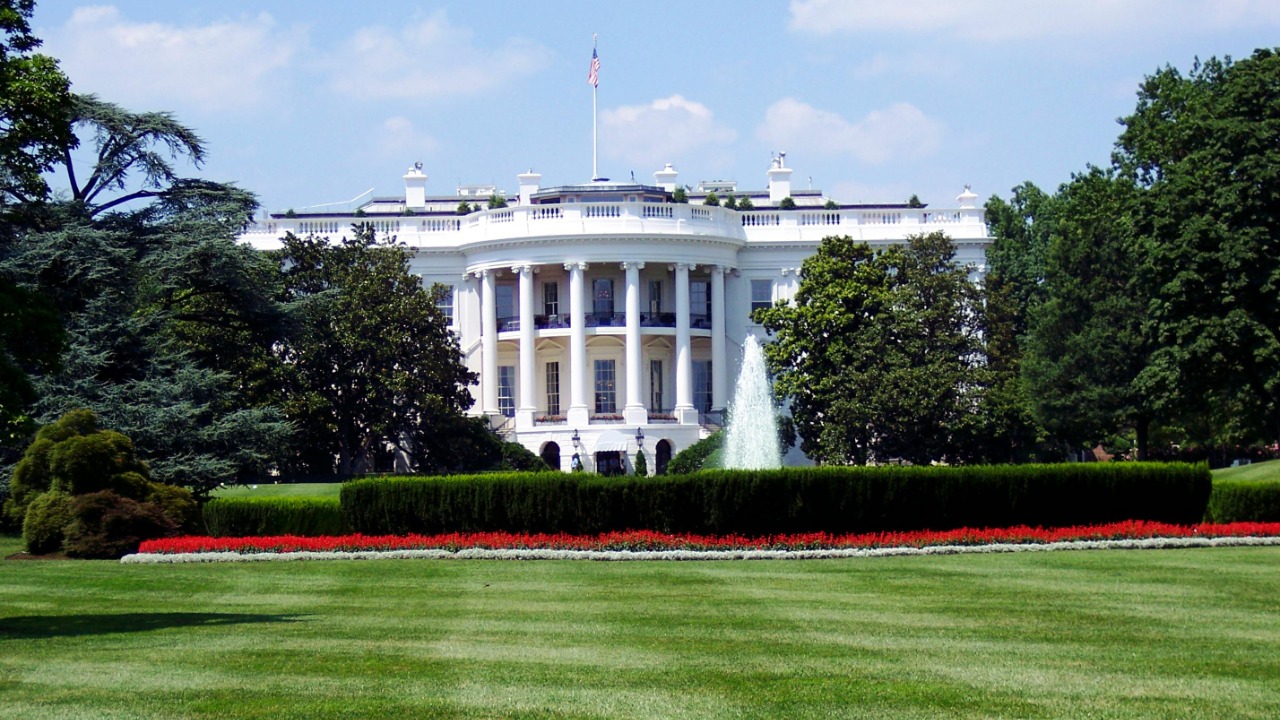
The White House is trying to convince voters it is “laser focused” on the cost of living at the very moment its own tariff strategy is being forced into a rethink. After months of escalating trade measures that helped push up prices on everyday goods, President Donald Trump is now pausing some increases and floating new relief ideas as the political and economic costs of the affordability crisis become impossible to ignore.
Instead of a clean pivot away from protectionism, the administration is layering targeted tariff delays, rebate concepts and tax stimulus on top of still elevated trade barriers. I see a strategy that tries to preserve Trump’s tough-on-trade brand while acknowledging that households squeezed by higher prices need visible help before the next round of elections.
The political stakes of an affordability crisis
Affordability has shifted from a background concern to the central test of economic policy, and the White House knows it. Officials have been quoted saying “The White House is laser focused on affordability,” a phrase that surfaced as Trump’s team weighed how far to go in softening tariffs without abandoning its broader trade agenda, including in battlegrounds like New Jersey where price pressures have become a campaign issue, according to recent reporting.
Veteran market watcher Ed Yardeni has warned that the “affordability crisis” could define 2026, arguing that persistent cost pressures on housing, goods and services may force Trump to cut tariffs more aggressively than he prefers, and he has even described 2026 as the “year of the tariff consequences,” a phrase that captures how earlier trade decisions are now feeding into consumer pain, as outlined in analysis of Trump’s options.
How tariffs helped drive up furniture prices
The affordability squeeze is most visible in categories where tariffs directly hit household budgets, and furniture is exhibit A. The White House slapped a 25% tariff on furniture, kitchen cabinets and vanities in October, and those Tariffs on furniture were slated to increase to 30% in Jan, with separate duties on cabinets and vanities set to climb even higher, before the administration pulled back, according to detailed accounts of how The White House structured the hikes.
Consumers were already feeling the strain before the latest round of tariffs was due to kick in, with prices for living room, kitchen and dining room Furniture rising 4.6% in Nov compared with a year earlier, a pace that outstripped overall inflation and underscored how trade policy was feeding into specific product categories, as government data cited in coverage of the sector made clear.
The last-minute delay on higher furniture tariffs
Faced with those dynamics, Trump opted for a tactical retreat rather than a full reversal. Higher tariff rates on those goods that were set to take effect Jan. 1 will now be delayed for another year, according to a White House statement that framed the move as a way to give families breathing room while officials reassess the balance between trade leverage and consumer costs, a shift described in detail when the White House delays were announced.
In WASHINGTON, President Donald Trump signed a New Year Eve proclamation that formally postponed the higher tariffs on upholstered furniture and related imports, a legal step that locked in the one year pause and signaled to both retailers and foreign suppliers that the administration was willing to adjust timing even as it defended the underlying policy, according to accounts of how the proclamation was crafted.
Trump’s tariff pause and the Republican Party’s political calculus
The decision to pause the hikes was not just about macroeconomics, it was also about electoral math. The tariff pause comes as Trump’s Republican Party faces questions of affordability going into the midterm elections, with strategists worried that suburban voters in particular are souring on higher prices for basics like sofas, kitchen tables and bathroom fixtures, a concern that shaped the choice to delay the next step in the trade fight, as described in reporting on how Trump and the Republican Party weighed the risks.
At the same time, the administration has been careful to stress that the underlying 25% tariff on upholstered furniture remains in place, preserving Trump’s argument that he is standing up to foreign competitors even as he adjusts the pace of escalation, a balancing act that reflects the competing pressures of trade hawks, business groups and price conscious voters who are all watching how the pause plays out in stores and on campaign trails.
Scott Bessent and the search for an “affordability” fixer
To manage this delicate pivot, Trump has leaned on a small circle of advisers tasked with tackling the affordability crisis without dismantling his signature tariffs. One of the most prominent is Treasury Secretary Scott Bessent, who has been cast as Trump’s “Mr. Fix it” on prices and has publicly argued that the administration can smooth out the worst cost spikes while keeping its trade leverage intact, a role that was highlighted when Scott Bessent’s remit was described.
Jan has become a key month for this strategy, with the White House and The Trump team ramping up messaging that they are listening to household concerns and exploring targeted relief, even as Trump himself continues to defend the broader tariff framework, a dual track approach that was sketched out in profiles of how the White House and Trump are positioning Bessent as the point person on affordability, including accounts that describe how the White House sees his role.
Tariffs remain historically high even as strategy softens
Even with the pause on specific categories, the broader tariff environment remains unusually restrictive by recent historical standards. US tariff rates will end 2025 above 15%, and Experts do not expect these rates to come down much in 2026, a reality that means businesses and consumers are still operating in a world of elevated trade costs even as the administration tweaks the edges of its policy, according to analysis of how average tariff levels have climbed.
That context helps explain why Yardeni and others keep warning that 2026 could be the year when the cumulative impact of protectionism fully hits consumers, and why the White House is so intent on signaling flexibility at the margins without committing to a wholesale rollback that would undercut Trump’s political identity as a tariff champion.
Rebate checks, tariff dividends and the cost to households
Because the administration is reluctant to dismantle tariffs outright, it has turned to more novel ideas to offset the pain. Trump said $2,000 tariff dividend stimulus check is coming, floating the concept of sending households a direct payment funded by tariff revenue, a proposal that has generated intense debate over who would qualify, how it would be financed and whether it would meaningfully change perceptions of affordability, as outlined in coverage asking What the checks might look like.
Policy analysts have also floated more targeted rebate schemes, noting that Tariffs will increase the tax burden on U.S. families by an average of $2,110 in 2026, according to Key Takeaways from a Tax Policy Center report that argues rebate checks could help some taxpayers cope with tariff costs but would not fully erase the underlying price distortions, a point that underscores how Tariffs function like a hidden tax on consumers.
Tax stimulus, the Fed and inflation worries
Alongside tariff tweaks and potential rebates, Trump is also leaning on tax policy to keep growth on track while households grapple with higher prices. Jan has brought fresh attention to Trump’s tax stimulus set to keep the US economy on track in 2026, with Fed policymakers including Chair Jerome Powell signaling that inflation linked to higher tariffs will likely be a one off and manageable within their broader outlook, even as they keep a close eye on how trade policy interacts with demand, according to analysis of how the Fed and fiscal policy are aligned.
That stance gives the White House some room to maneuver, since it suggests the central bank will not automatically slam the brakes in response to tariff driven price bumps, but it also raises questions about the long term impact on the US budget deficit and whether repeated rounds of tax stimulus can coexist with a high tariff regime without eventually forcing tougher choices on spending or interest rates.
Global rivalry, domestic prices and the road ahead
All of this is unfolding against a backdrop of intensifying US China rivalry that makes it harder for any administration to simply unwind tariffs. The new administration is seeking to pass massive spending bills designed to revitalise the country’s infrastructure and industrial base, part of a broader strategy to compete with Beijing that also aims to alleviate many of the forces fueling Trumpism by delivering visible economic gains at home, a linkage that has been explored in analysis of how geopolitics and domestic policy intersect.
Within that context, the White House and Karoline Leavitt have used Jan briefings to stress that they are listening to voters’ concerns about prices even as they defend a tough line on trade, a message amplified in coverage that notes how the White House communications team, including references like Click Here To Download The Fox News App in digital outreach, is trying to frame tariff adjustments as part of a broader affordability push rather than a retreat, as described in analysis of how the White House is selling its shift.
More From TheDailyOverview

Grant Mercer covers market dynamics, business trends, and the economic forces driving growth across industries. His analysis connects macro movements with real-world implications for investors, entrepreneurs, and professionals. Through his work at The Daily Overview, Grant helps readers understand how markets function and where opportunities may emerge.

