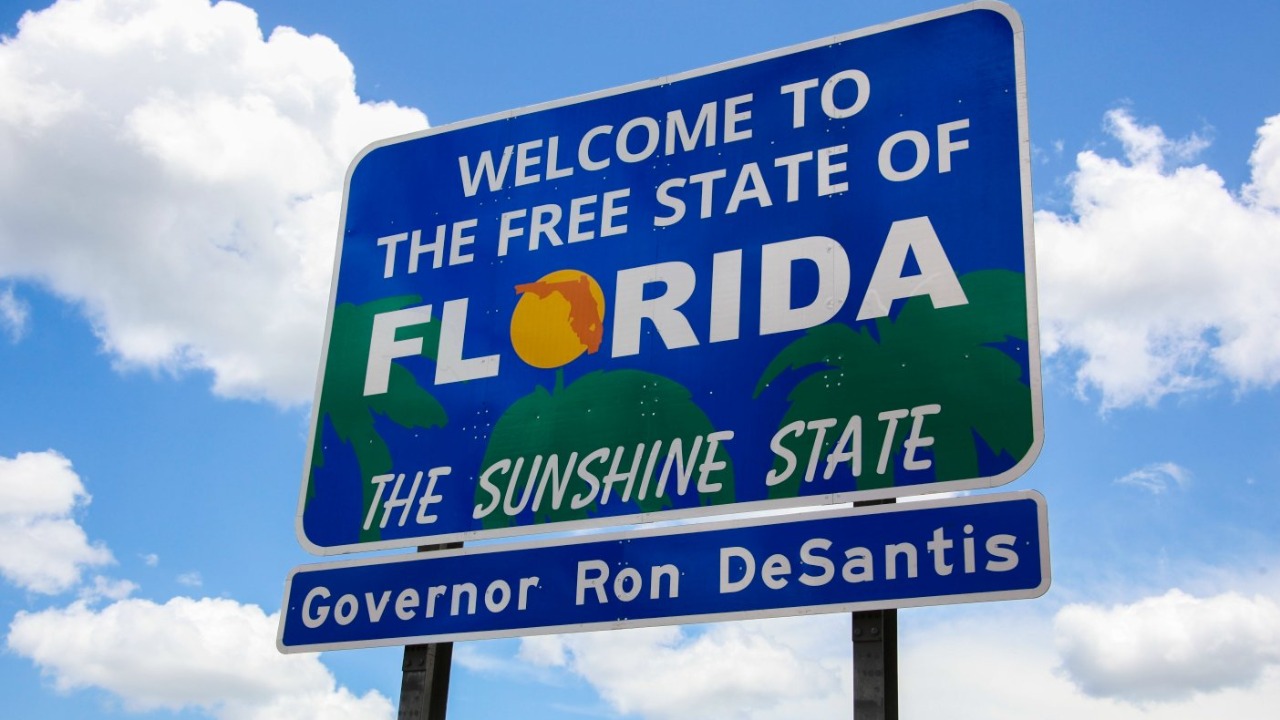
Florida has long been a popular destination for retirees and tourists, but recent trends show a growing exodus of young people from the Sunshine State. The reasons behind this demographic shift are multifaceted, encompassing social, economic, and environmental factors that drive young residents to seek opportunities elsewhere.
Economic Challenges

One of the most significant hurdles facing young Floridians is the high cost of living. The state’s attractive beaches and warm climate have made it a desirable place to live, but this desirability has led to a surge in housing costs and property taxes. Many young individuals find themselves priced out of the housing market, struggling to afford even modest accommodations. This economic strain is compounded by stagnant wages in many sectors, making it difficult for young people to achieve financial stability.
Additionally, the job market in Florida presents challenges for young professionals. The state relies heavily on the tourism and service industries, which often offer low-wage positions that do not meet the financial aspirations of many young residents. High-paying jobs, particularly in industries like technology and finance, are scarce, prompting young people to look elsewhere for better career opportunities and financial growth.
Climate Change and Environmental Concerns

Florida’s vulnerability to climate change and natural disasters is another factor influencing young people’s decision to leave. The increasing frequency of hurricanes and flooding has made certain areas of the state less desirable and even dangerous. These environmental threats not only pose direct risks but also lead to rising insurance costs and potential property damage, adding to the financial burdens of residents.
Moreover, environmental degradation is affecting the quality of life in Florida. Pollution, loss of biodiversity, and rising temperatures are becoming more pronounced, impacting health and well-being. Young people, who often prioritize environmental sustainability, may find Florida’s environmental challenges a compelling reason to relocate to regions where sustainability efforts are more robust.
Cultural and Social Factors
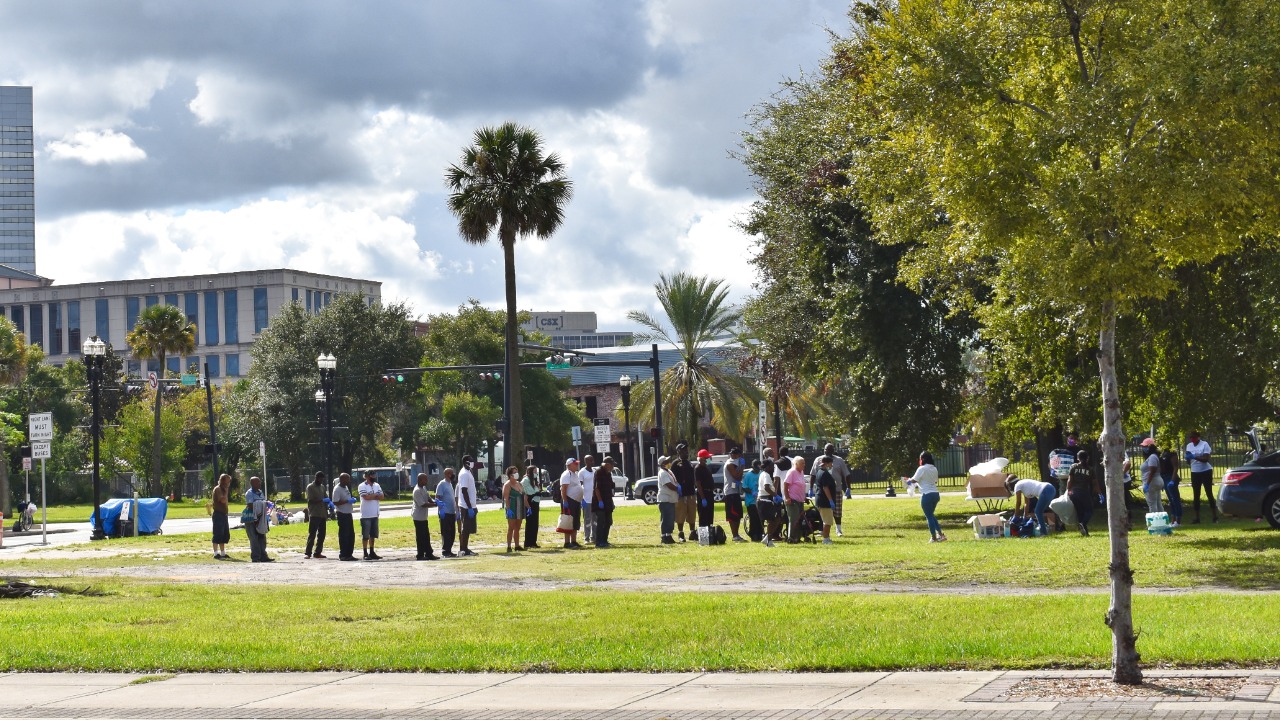
The cultural climate in Florida plays a significant role in its appeal to younger generations. While the state is known for its diversity, questions remain about its inclusivity and whether it provides a welcoming atmosphere for all. Some young people may feel that Florida’s cultural environment does not align with their values or that it lacks the urban amenities and entertainment options found in other states that are attracting younger demographics.
Lifestyle preferences also influence migration decisions. Many young individuals are drawn to cities that offer vibrant cultural scenes, public transportation, and a range of social activities. Florida’s urban centers, while growing, may not yet compete with the offerings of cities like New York, Los Angeles, or Austin, which are seen as more dynamic and inclusive environments for young residents.
Political Climate
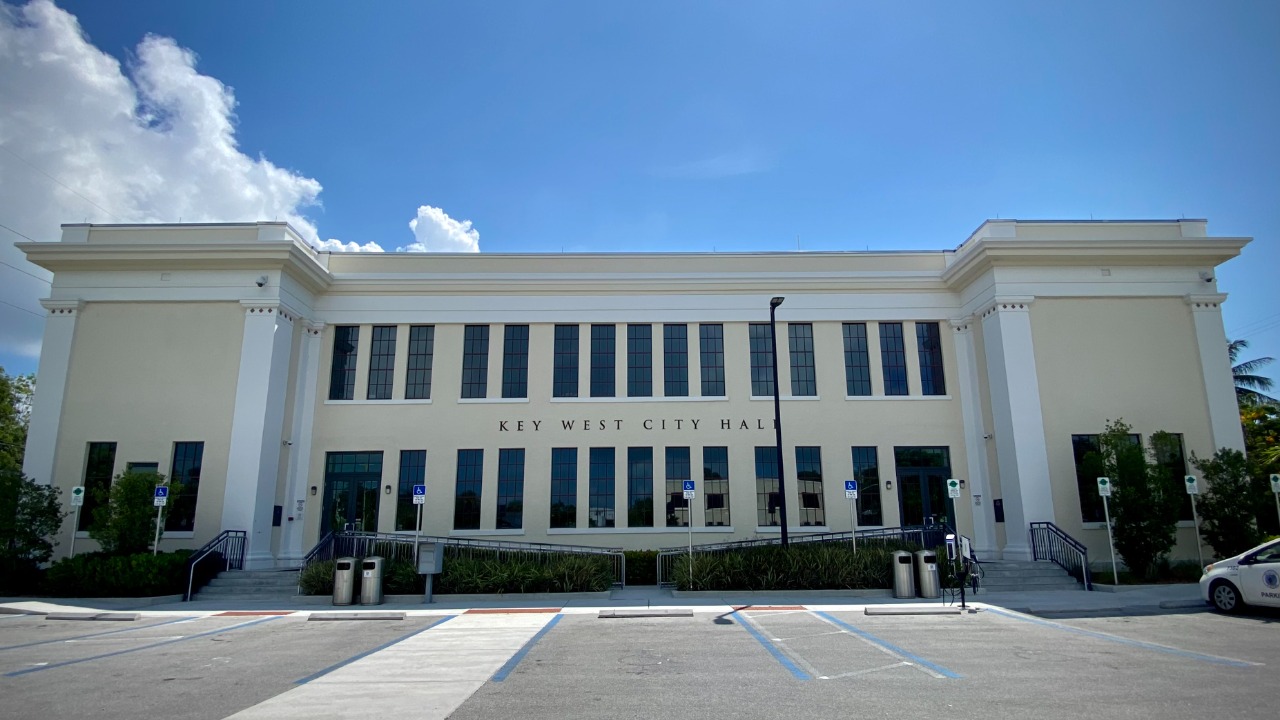
Recent political decisions and social policies in Florida have also contributed to the exodus of young people. Legislative measures related to education, healthcare, and civil rights can significantly impact young people’s views on living in the state. Some may feel that the political climate does not align with their values or that it does not support their long-term goals.
Social policies, particularly those affecting education and healthcare, are critical considerations for young residents. Access to quality education and affordable healthcare are often priorities for young individuals starting families or advancing their careers. If Florida’s policies are perceived as lacking in these areas, young people may choose to move to states where their needs are better met.
Education and Career Opportunities
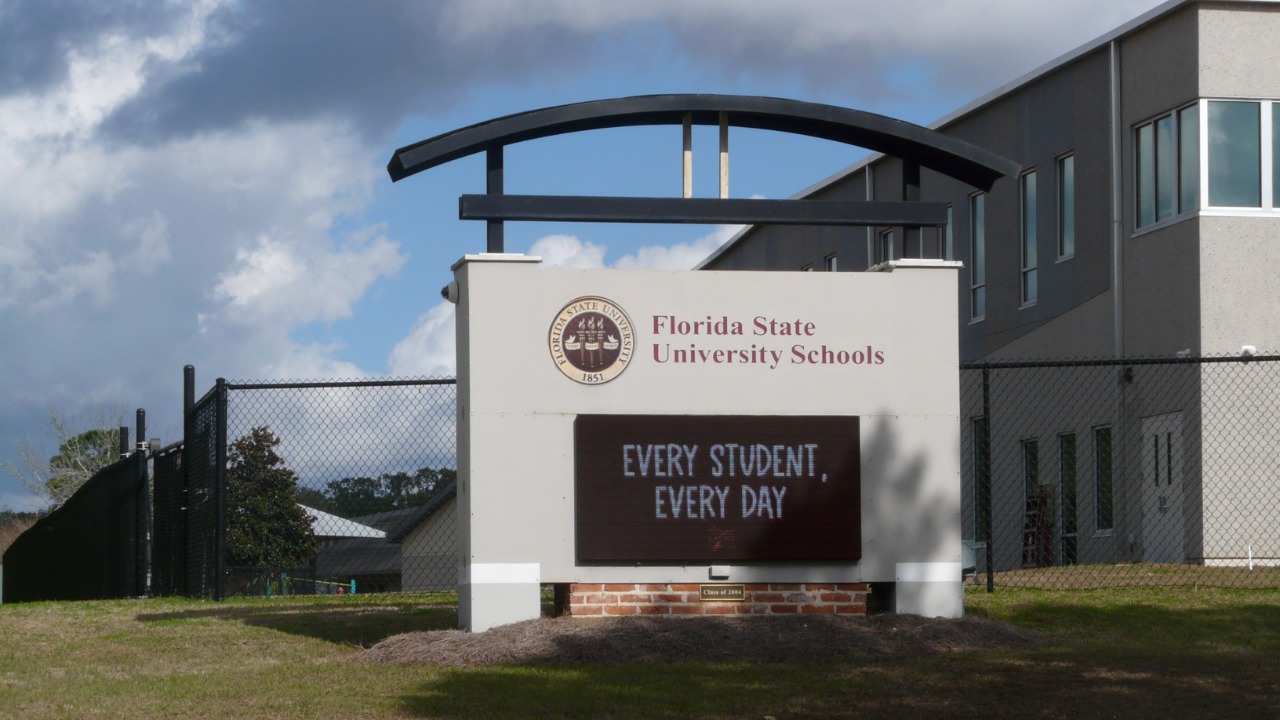
The quality and affordability of higher education in Florida are important factors in the decision to relocate. While the state offers several reputable institutions, the rising cost of tuition and concerns about the quality of education can deter young people from pursuing higher education within the state. This can lead to a talent drain, as students seek educational opportunities elsewhere and do not return after graduation.
Career development opportunities are another crucial consideration. Young professionals are often attracted to regions that offer robust networking and career advancement possibilities. Florida’s job market, heavily reliant on the service industry, may not provide the same growth opportunities as states with more diversified economies. This limitation can prompt young residents to seek employment in other areas where they can advance their careers more effectively.
Future Outlook
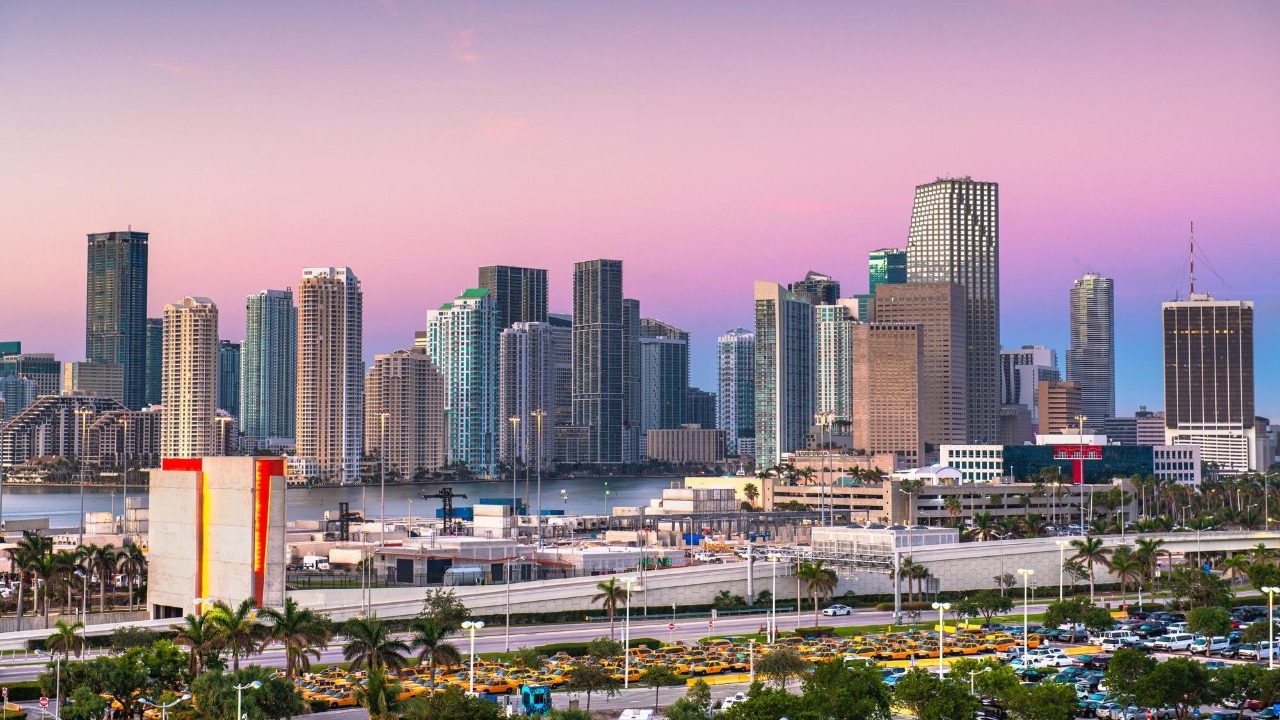
As young people continue to leave Florida, the question remains whether this trend will reverse. Efforts to address the economic, environmental, and social factors driving this exodus will be crucial in retaining and attracting young residents. Enhancements in job opportunities, education, and livability could make the state more appealing to younger demographics.
The long-term implications of this demographic shift are significant. A continued exodus of young people could impact Florida’s economy and cultural landscape, as the state may face challenges in sustaining its workforce and fostering innovation. Addressing the root causes of this migration trend will be essential for Florida to maintain its vibrancy and appeal in the coming decades.

Elias Broderick specializes in residential and commercial real estate, with a focus on market cycles, property fundamentals, and investment strategy. His writing translates complex housing and development trends into clear insights for both new and experienced investors. At The Daily Overview, Elias explores how real estate fits into long-term wealth planning.