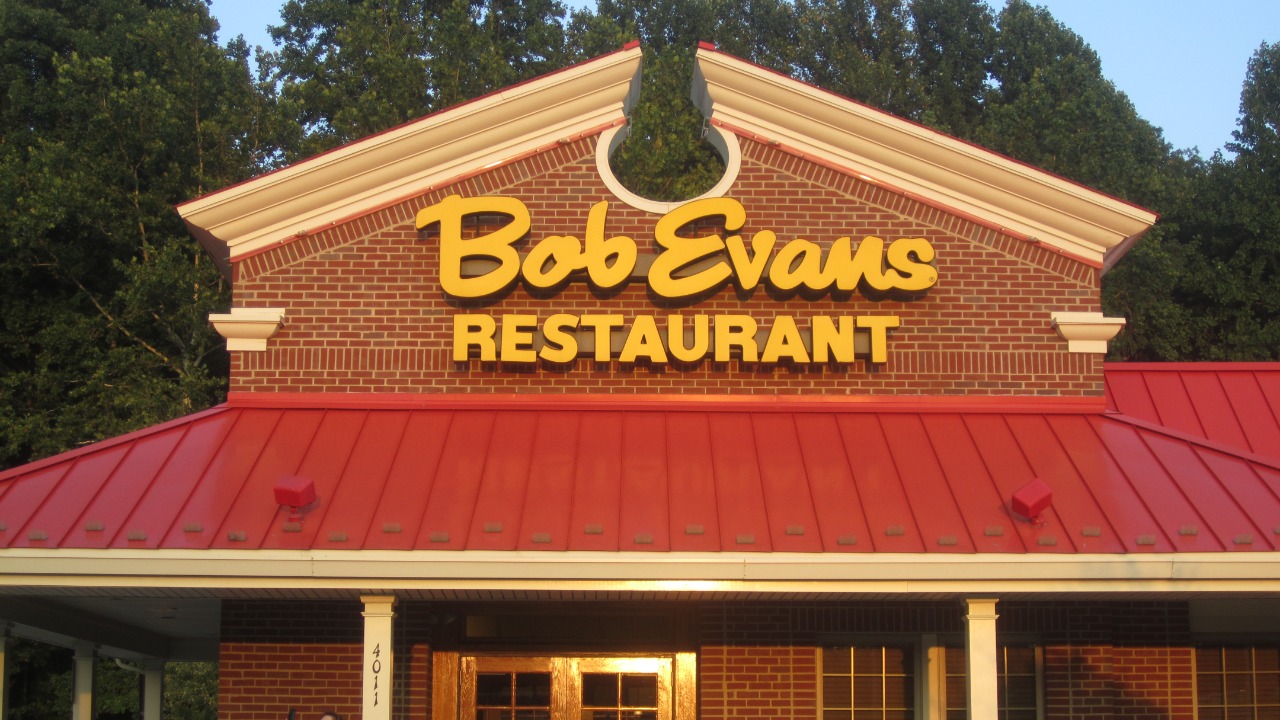
Bob Evans Restaurants, the family dining chain known for its farm-fresh breakfast platters and homestyle comfort food, has changed hands in a private equity deal that will shape the brand’s next chapter. According to a Golden Gate announcement, 4×4 Capital has acquired Bob Evans Restaurants, LLC, taking over from Golden Gate Capital, which had owned the chain since 2020. The transaction covers a business that, per the same announcement, spans more than 400 locations across 18 states and employs over 15,000 people, making this one of the larger restaurant deals to surface so far this year. By shifting ownership but keeping the core operating company intact, the deal positions Bob Evans for a new wave of investment at a time when many legacy casual-dining brands are struggling to stay relevant.
The acquisition also underscores how much the restaurant has changed since its days as a combined food and restaurant company. Golden Gate previously carved out the restaurant operations from the packaged foods division in a move that left Bob Evans Restaurants as a standalone chain competing in a crowded midscale dining space. That restructuring, combined with earlier closures of underperforming stores, created a leaner footprint that 4×4 Capital now inherits. With the new owner signaling a growth focus but offering few specifics, analysts and industry watchers are left to infer strategy from the limited details available: a stable management team, a modest but still sizable unit count, and a brand that retains strong recognition in its core Midwestern markets.
New Owner, Same CEO at the Helm
The deal transfers Bob Evans from one private equity firm to another, but the day-to-day leadership is staying put. CEO Mickey Mills will remain in charge of the restaurant business, according to the transaction details, providing a measure of continuity for a brand that has gone through significant restructuring over the past several years. That continuity matters because restaurant chains that swap owners frequently tend to lose operational focus, and Bob Evans has spent years stabilizing after shedding hundreds of locations from its peak footprint. Keeping the same chief executive in place signals that 4×4 Capital views the existing turnaround plan as fundamentally sound rather than in need of a wholesale reset.
4×4 Capital co-founder Gustav H. Schuler is joining the Bob Evans board as part of the transition, per the same announcement. The firm has signaled what it calls a focus on long-term growth for the brand, though no specific expansion targets or menu overhauls have been disclosed publicly. Financial terms of the acquisition were not released, a detail independently confirmed by S&P Global in its deal roundup coverage. The absence of a price tag makes it difficult to gauge how aggressively 4×4 plans to invest, but the management retention and board-level involvement suggest more than a passive financial play. Instead, the structure looks like a classic private equity platform investment, where the owner works closely with leadership to refine operations and, potentially, scout for bolt-on acquisitions or new formats.
A Shrinking Footprint Meets Fresh Capital
Bob Evans is not the sprawling chain it once was. Industry tracking from Nation’s Restaurant News describes it as a 400-unit chain, while the Golden Gate Capital announcement puts the count at “more than 400 locations.” Either way, the brand has contracted sharply from prior peaks that exceeded 700 units, according to historical industry reporting. That decline tracks with a broader pullback in the family dining segment, where sit-down chains have lost ground to fast-casual competitors offering quicker service and lower price points. In many markets, consumers who once lingered over table-service breakfasts now gravitate toward drive-thru coffee, handheld sandwiches, and app-based ordering, formats where Bob Evans has less presence.
The question for 4×4 Capital is whether fresh investment can reverse that trajectory or simply slow it. Private equity ownership in the restaurant industry has a mixed record. Some PE-backed brands have used new capital to modernize operations, revamp store designs, and expand into new territories, while others have struggled under debt loads and aggressive cost-cutting that eroded the customer experience. Bob Evans sits in a segment where loyalty runs deep but foot traffic has been declining for more than a decade. The chain’s appeal has long been rooted in a specific promise: hearty, affordable meals served in a warm, no-frills setting that appeals to families, retirees, and travelers. Any strategy that compromises that identity, whether by raising prices too quickly, trimming staff to the bone, or abandoning core menu items, risks alienating the very customers who have kept the remaining locations profitable.
What 15,000 Workers Are Watching For
For the more than 15,000 employees who work across Bob Evans locations, per the Golden Gate Capital announcement, ownership transitions carry real stakes. Private equity acquisitions often bring operational reviews that can lead to staffing changes, wage adjustments, or shifts in benefits. No public statements from employee groups or labor representatives have surfaced in connection with this deal, and neither 4×4 Capital nor Golden Gate Capital has addressed workforce plans beyond confirming that existing management will stay in place. That silence leaves open questions about whether the new owner will prioritize labor stability or pursue aggressive productivity gains that could translate into leaner staffing models.
The lack of detail is not unusual for a transaction of this type, but it leaves a gap in what workers and local communities can expect. Restaurant employees in the family dining segment typically earn hourly wages and depend on predictable schedules, both of which can shift quickly when new owners begin looking for efficiencies. If 4×4 Capital’s growth plans involve opening new locations or testing new dayparts, that could mean job creation and advancement opportunities for frontline staff. If the strategy leans more toward margin improvement at existing stores, through technology upgrades, tighter labor scheduling, or menu engineering, the calculus for workers could look very different. Until the new ownership group lays out a concrete roadmap, the workforce is operating with limited visibility into what comes next, even as they remain central to delivering the guest experience that any turnaround will rely on.
Why Private Equity Keeps Buying Restaurant Chains
The Bob Evans deal fits a pattern that has accelerated across the restaurant industry. Private equity firms have been drawn to established dining brands because they offer relatively predictable cash flows, tangible real estate assets, and brand recognition that can be difficult and expensive to build from scratch. Golden Gate Capital itself acquired Bob Evans in a deal that separated the restaurant business from its packaged food division, which had been sold to Post Holdings, allowing each side of the former company to pursue distinct strategies. That earlier split was designed to let the restaurant chain focus squarely on operations, store economics, and guest satisfaction without the complexity of managing a consumer packaged goods portfolio.
4×4 Capital’s acquisition suggests the firm sees room to grow a brand that Golden Gate spent years trimming and stabilizing. The transition from one PE owner to another, rather than to a strategic buyer or public offering, indicates that the chain is still in a turnaround phase rather than a position of clear strength. Strategic acquirers, such as larger restaurant holding companies, typically step in when a brand has already demonstrated consistent growth and offers synergies across portfolios. The PE-to-PE handoff signals that there is still work to do, but also that the underlying business generates enough cash to attract serious capital. If 4×4 can balance cost discipline with guest-facing investment (remodeling older stores, modernizing digital channels, and reinforcing the brand’s breakfast and comfort-food positioning), it may be able to stabilize traffic and selectively re-enter markets it once exited. For now, though, the Bob Evans story remains one of cautious optimism: a smaller but still meaningful chain, a new financial sponsor, and a familiar management team facing the same structural headwinds that have reshaped family dining for a generation.
More From The Daily Overview
*This article was researched with the help of AI, with human editors creating the final content.

Grant Mercer covers market dynamics, business trends, and the economic forces driving growth across industries. His analysis connects macro movements with real-world implications for investors, entrepreneurs, and professionals. Through his work at The Daily Overview, Grant helps readers understand how markets function and where opportunities may emerge.

