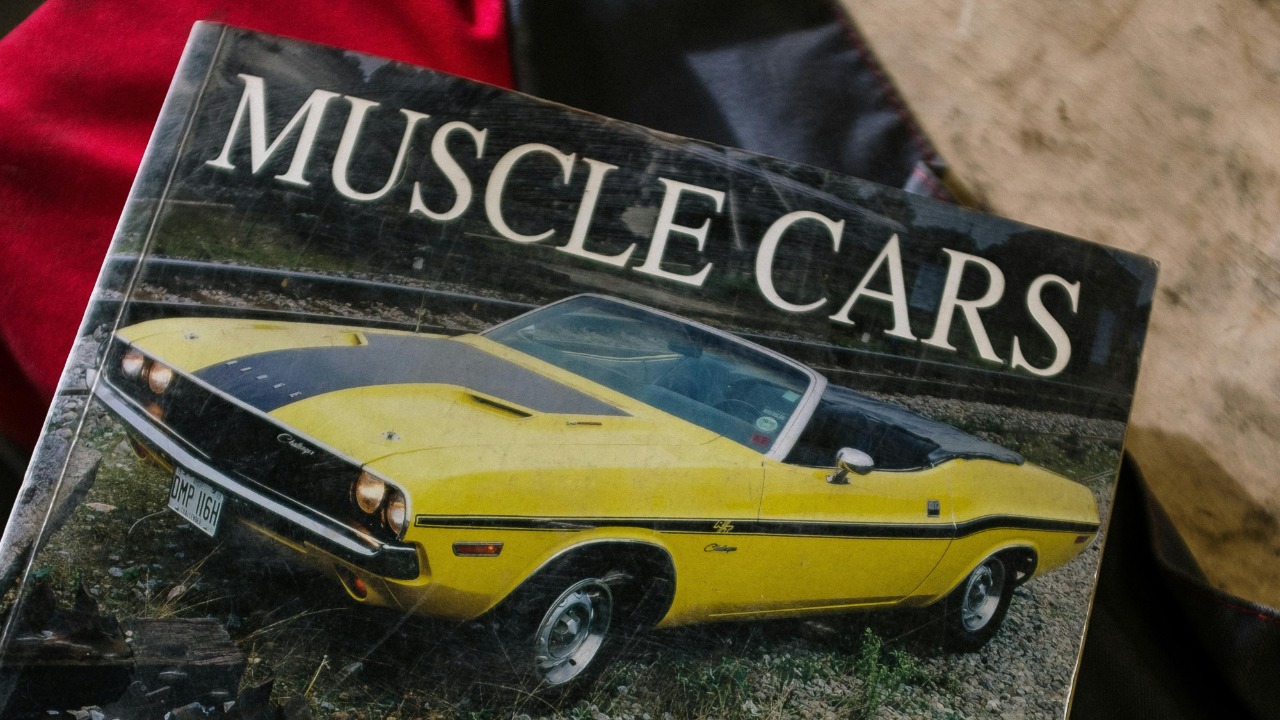
The once-booming market for muscle cars is experiencing a surprising shift. Collectors, who once passionately invested in these powerful machines, are now quietly offloading their collections. This trend raises questions about the future of the muscle car market and the factors driving this change.
The Rise and Fall of Muscle Cars
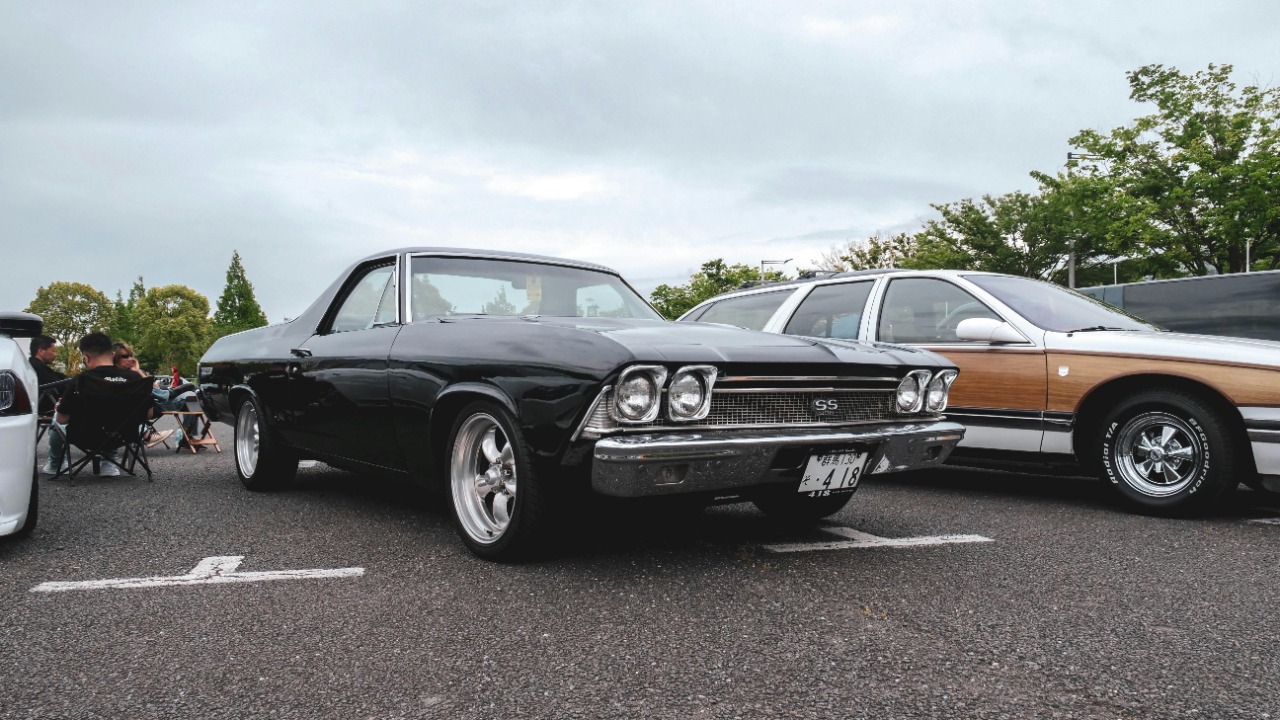
The golden era of muscle cars, spanning the 1960s and 70s, marked a significant chapter in automotive history. These cars, characterized by their high-performance engines and bold designs, symbolized freedom and raw power. Popular models like the 1969 Ford Mustang, the 1970 Chevrolet Chevelle SS, and the 1971 Plymouth Hemi ‘Cuda became icons of American culture. During this period, the allure of speed and the thrill of the drive captivated enthusiasts, propelling muscle cars to the forefront of the automotive market.
However, the market has evolved considerably over the decades. The oil crises of the 1970s, coupled with stricter emission regulations, led to a decline in the production and popularity of muscle cars. Despite a resurgence in the 1980s and 90s, driven by nostalgia and the restoration of classic models, the interest has been waning. There are several reasons for this decline, including changing consumer preferences and the emergence of more technologically advanced vehicles. Collectors, once fervent in their devotion, now find themselves reevaluating their investments as the market dynamics shift.
Economic and Market Influences

Economic factors play a crucial role in shaping collector behavior. Financial downturns and market instability often lead to a reassessment of investment strategies. During periods of economic uncertainty, assets that were once considered stable, such as classic cars, may lose their appeal. Investors are increasingly cautious, seeking opportunities that promise higher returns and greater security.
One of the most significant shifts in investment trends is the growing interest in electric vehicles (EVs). As the automotive industry pivots towards sustainability, collectors are becoming more conscious of the impact of their investments. The rise of EVs, with models like the Tesla Model S Plaid offering performance that rivals traditional muscle cars, is reshaping collector priorities. The focus is now on innovation and future-proofing collections rather than holding onto relics of the past.
Cultural Shifts and Demographic Changes

Generational shifts are another significant factor influencing the muscle car market. Younger car enthusiasts, who grew up in a digital age dominated by technology, often prioritize different features in vehicles. They tend to value connectivity, efficiency, and sustainability over raw horsepower and classic designs. As a result, the demand for vintage muscle cars is not as robust among millennials and Gen Z as it was among previous generations.
Environmental concerns are also playing a pivotal role in reshaping market dynamics. With a growing emphasis on sustainability, the environmental impact of gas-guzzling muscle cars becomes a point of contention. Many collectors are now balancing their emotional attachment to these vehicles with practical considerations about their environmental footprint. The nostalgia associated with muscle cars is increasingly being weighed against the realities of modern life, leading some collectors to opt for more sustainable alternatives.
The Future of Muscle Cars in the Collector’s Market
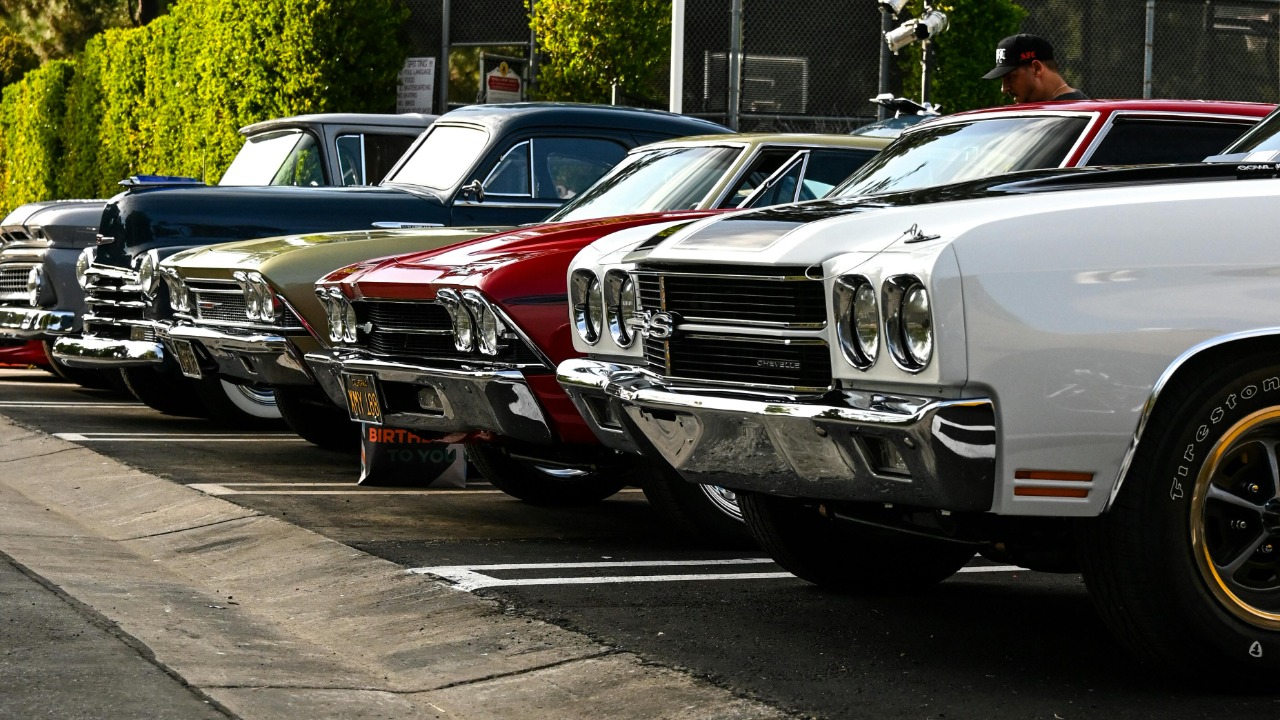
Despite the current trend of collectors offloading their muscle cars, efforts to preserve the legacy of these vehicles continue. Enthusiast groups and organizations are dedicated to maintaining the heritage of muscle cars through restoration projects and educational initiatives. These efforts ensure that the history and cultural significance of muscle cars are not forgotten.
The potential for a resurgence in interest is always present. Factors such as a renewed appreciation for classic designs or technological innovations that make muscle cars more sustainable could reignite enthusiasm. Additionally, collectors are diversifying their interests, exploring other facets of automotive history and culture. The inclusion of a broader range of vehicles in collections reflects a more holistic approach to preserving automotive heritage.
Implications for the Automotive Industry

The shifting dynamics in the muscle car market have implications for car manufacturers. Companies that once relied on the popularity of classic models must adapt their strategies to meet changing consumer demands. This could involve reimagining classic designs with modern technology or focusing on producing vehicles that align with current market trends.
The role of auctions and dealerships in the muscle car market is also evolving. As collectors’ interests shift, these venues must adjust their offerings to cater to a broader audience. This might involve integrating more modern classics or electric vehicles into their inventories to attract a new generation of collectors.
Ultimately, the changing landscape presents opportunities for innovation within the automotive industry. Manufacturers and stakeholders have the chance to create new products and services that resonate with contemporary consumers. By embracing these shifts, the industry can continue to thrive amidst changing preferences and priorities.

Elias Broderick specializes in residential and commercial real estate, with a focus on market cycles, property fundamentals, and investment strategy. His writing translates complex housing and development trends into clear insights for both new and experienced investors. At The Daily Overview, Elias explores how real estate fits into long-term wealth planning.

