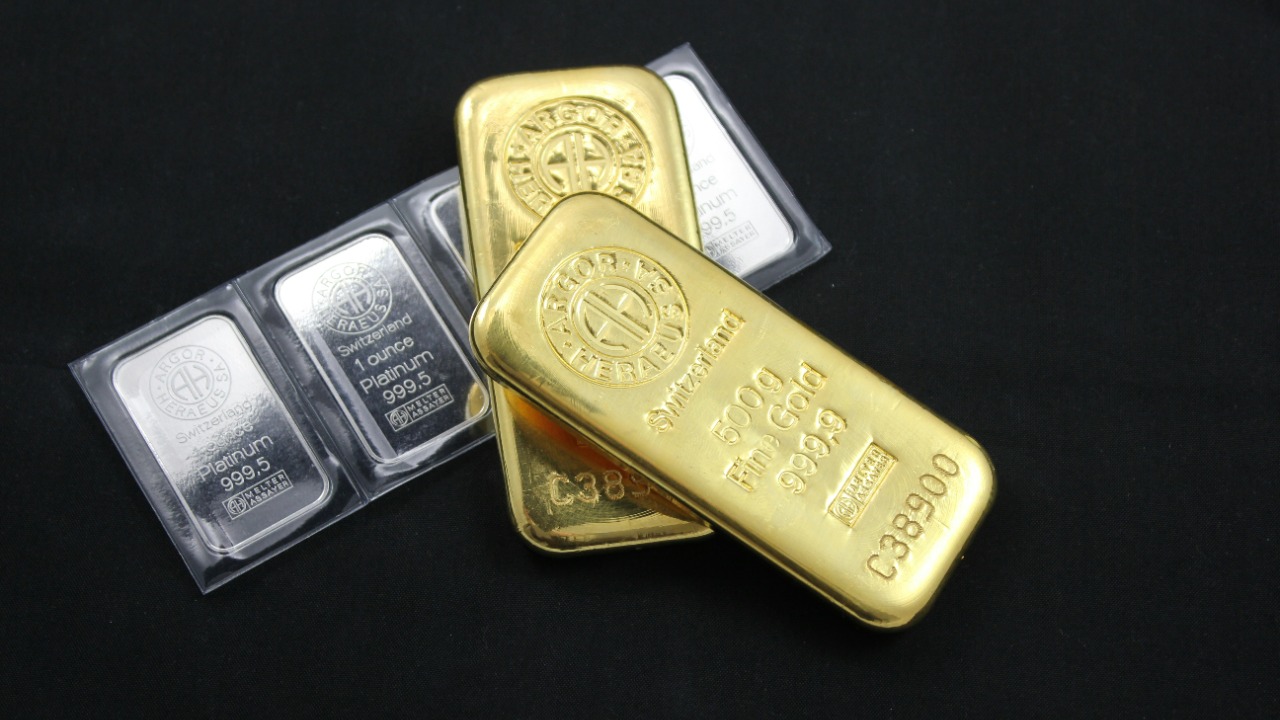
Gold and silver have not just inched higher, they have smashed through previous ceilings into uncharted territory. Record prices in both metals are forcing investors, policymakers, and ordinary savers to ask what is really driving this surge and how long it can last. I want to unpack the mix of geopolitics, monetary policy, and market structure that is now pushing precious metals into a new phase.
Record highs in a thin, nervous market
The latest leg of the rally has been dramatic. Spot prices for gold have climbed to fresh peaks on major bullion platforms, with live charts showing the metal repeatedly setting new intraday records as buyers chase perceived safety and momentum traders pile in on every breakout, a pattern visible on widely followed gold price dashboards. Silver has moved even more violently, with prices crossing the $77 mark and briefly trading above that level as speculative flows overwhelmed the usual year end lull.
On a recent Friday in Dec, Gold, silver, and platinum all hit record highs together, a synchronized spike that metals strategists linked to thinning liquidity and aggressive short covering. Another slice of the same reporting tied the move to expectations of interest rate cuts and rising geopolitical tension, noting that the surge in Dec came as traders positioned for a more volatile 2026 environment and as safe haven demand intensified, with Gold leading the charge.
Geopolitics, tariffs, and a weaker dollar
Behind the price action sits a darker macro backdrop. Escalating geopolitical tensions, including persistent conflicts and trade frictions, have pushed investors toward assets that feel insulated from political risk. Reporting on the latest spike notes that Gold, silver and platinum jumped to all time highs as those risks intensified, with traders treating bullion as insurance against scenarios that are hard to model but impossible to ignore.
Tariff uncertainty has been another powerful tailwind. Analysts at major banks have highlighted how repeated tariff threats and actual levies have distorted global supply chains and undermined confidence in long term trade rules, a pattern that helped Gold prices soar in 2025. At the same time, volatility in bond markets and a devaluation of the U.S. dollar have unsettled traditional safe assets, with one detailed Volatility focused evaluation tying the metals rally to concerns about President Donald Trump’s threatened “blockade” policies, a slowing global economy, and persistent global unrest.
How rates, inflation, and central banks feed the rally
Monetary policy is amplifying those geopolitical drivers. As investors increasingly price in rate cuts, the opportunity cost of holding non yielding assets like bullion falls, making gold and silver more attractive relative to cash or short term bonds. Analysts who track the sector argue that the current environment of sticky inflation, slowing growth, and a Federal Reserve that is closer to easing than tightening is exactly the kind of mix that historically supports higher precious metal prices, a dynamic that underpins many What Drives Gold Prices style frameworks for understanding Gold and silver.
Central banks themselves are part of the story. Governments and monetary authorities have been adding to their bullion reserves, both to diversify away from the dollar and to hedge against financial shocks. That steady official sector demand tightens the physical market and reinforces the perception that gold, in particular, is a core store of value. As one primer notes, Governments and central banks often keep bullion as a reserve asset and use it as a hedge against inflation, a practice that has taken on new significance as inflation targets are repeatedly tested.
Silver’s industrial twist and the $100 debate
Silver’s rally has a different flavor because it is both a monetary metal and an industrial workhorse. The same investors who buy coins and bars as a hedge are now competing with manufacturers that need silver for solar panels, electric vehicles, and electronics. That dual role helps explain why silver has re entered the spotlight in 2025, with one long term outlook titled Is Now the Best Time to Buy Silver framing the current move as part of broader Silver Forecasts for 2025 to 2030 that hinge on both investment flows and green energy demand.
That industrial angle cuts both ways. Experts caution that if industrial demand slows and speculative positioning becomes too crowded, the metal could see sharp pullbacks even within a longer term uptrend. One What style forecast for 2026 stresses that silver’s rapid acceleration reflects more than just investor enthusiasm, and warns that if industrial demand slows and speculative longs dominate, the market could become a one directional bet that is vulnerable to abrupt reversals.
Even so, many specialists remain optimistic about the next year. As silver broke $77, detailed coverage noted that Industry experts are divided but largely optimistic about 2026. While some major banks expect silver to average around levels that imply consolidation, others see a path where prices could touch $100 if investment demand stays strong and supply struggles to keep up, with the While scenarios differing mainly on how quickly new mine output and recycling respond.
Gold’s $5,000 question and how investors are getting exposure
Gold’s future path is just as contested, but the numbers being discussed are striking. Some analysts now talk openly about a “golden era” in which the rally continues into 2026, with one influential forecast suggesting prices could head towards $5,000 per ounce. In that analysis, Fung, a closely watched strategist, expected the rally to continue in 2026, arguing that the gold rally in 20 has been fueled by a buying spree by central banks and that the same forces could push prices towards $5,000 if geopolitical and monetary conditions remain supportive.
For individual investors, the question is how to participate without taking on unnecessary risk. Some prefer physical coins and bars, while others use exchange traded products that track bullion or mining shares. A detailed explainer on Gold ETFs notes that these funds either invest directly in physical gold bullion or use derivatives contracts to gain indirect exposure, giving investors a way to ride the trend without dealing with storage or insurance. That structure has helped fuel strong demand from ETFs and central banks alike, a combination that earlier research identified as a key driver of the 2025 surge in Gold prices, and it is likely to remain central to how the next phase of this rally unfolds.
More From TheDailyOverview

Grant Mercer covers market dynamics, business trends, and the economic forces driving growth across industries. His analysis connects macro movements with real-world implications for investors, entrepreneurs, and professionals. Through his work at The Daily Overview, Grant helps readers understand how markets function and where opportunities may emerge.

