
Retirees often consider using cash for home renovations to avoid debt, but experts like financial advisor Karen Smith suggest rethinking this approach. Smith warns that this strategy might deplete savings crucial for emergencies or other investments. A recent survey indicated that 60% of retirees regret spending significant cash reserves on home improvements.
The Risks of Depleting Cash Reserves

Financial advisor Karen Smith explains that using cash can leave retirees without a safety net for unexpected expenses such as medical emergencies. This lack of a financial cushion can be particularly concerning for those on a fixed income, where unexpected costs can disrupt carefully planned budgets. Smith emphasizes the importance of maintaining a robust emergency fund to safeguard against unforeseen financial challenges.
A study from the National Council on Aging found that 45% of retirees faced financial difficulties after spending cash on renovations. This statistic underscores the potential risks associated with depleting cash reserves. Experts recommend maintaining at least six months’ worth of expenses in cash reserves to avoid future financial strain. This buffer can provide peace of mind and financial stability, allowing retirees to handle emergencies without resorting to high-interest debt.
Alternative Financing Options

Home Equity Lines of Credit (HELOCs) offer a flexible borrowing option for retirees, allowing them to pay for renovations over time without depleting their cash. HELOCs can be particularly advantageous because they often come with lower interest rates compared to personal loans or credit cards. This option enables retirees to manage their cash flow more effectively while still achieving their home improvement goals.
Reverse mortgages can provide retirees with the funds needed for home improvements while allowing them to remain in their homes. This option can be beneficial for those who have significant home equity but limited liquid assets. Personal loans are another option, often with competitive interest rates, that retirees can use to manage renovation costs without exhausting savings. These loans can be tailored to fit individual financial situations, providing a balance between affordability and financial security.
Potential Tax Benefits
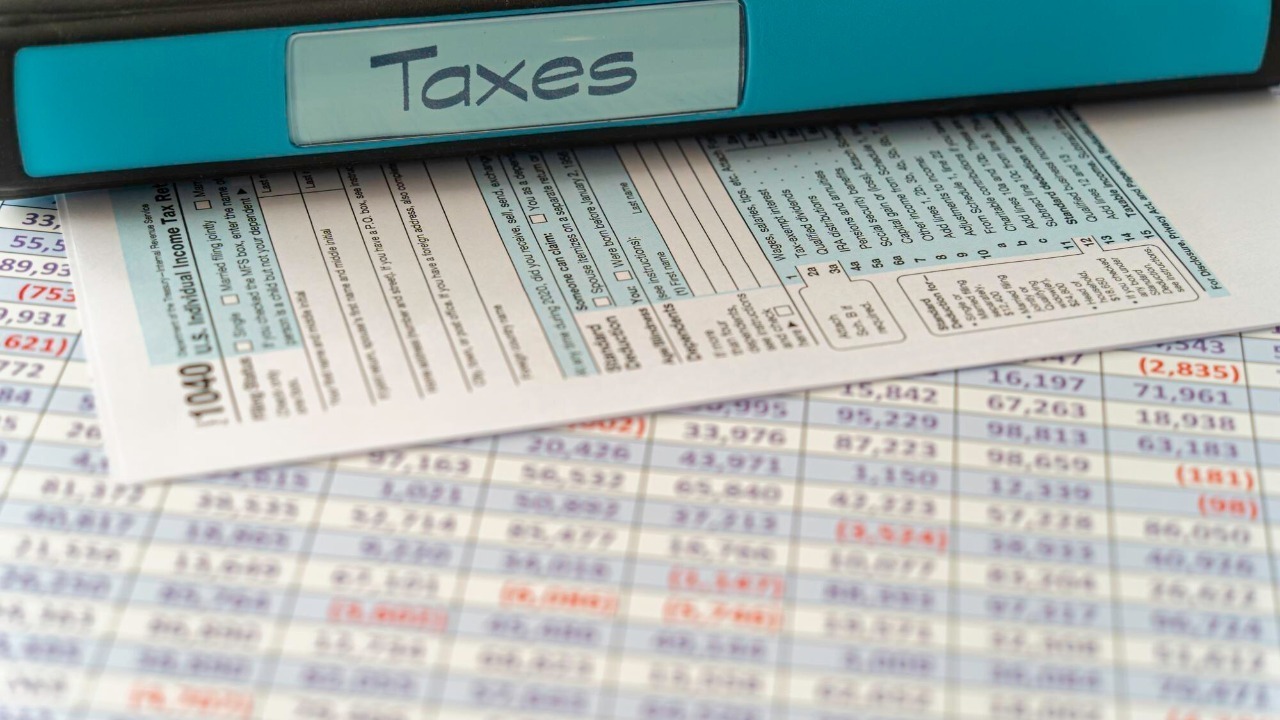
Using a HELOC for home renovations might allow retirees to deduct interest payments on their taxes, potentially offering financial relief. This tax advantage can make HELOCs an attractive option for those looking to minimize their overall renovation costs. However, it’s important for retirees to understand the specific tax implications of their financing choices.
Retirees should consult with a tax professional to understand how financing options might provide tax advantages, as specific circumstances can vary. Certain home improvements may qualify for energy efficiency tax credits, providing additional savings. These credits can offset some of the costs associated with renovations, making them more financially feasible for retirees.
In addition to interest deductions, retirees may benefit from tax deductions related to medical home improvements. For instance, if renovations are made to accommodate medical conditions, such as installing ramps or modifying bathrooms for accessibility, these expenses might be deductible as medical expenses. This can provide significant tax relief, especially for those with substantial medical needs.
Furthermore, retirees should be aware of state-specific tax incentives that may apply to home renovations. Some states offer property tax relief or rebates for improvements that increase a home’s energy efficiency or safety. By exploring these options, retirees can potentially reduce their tax burden while enhancing their living environment.
Long-term Financial Planning Considerations

Retirees should evaluate how home renovations align with their financial goals and whether these improvements will add significant value to their property. Creating a comprehensive financial plan that includes potential future expenses can help retirees make informed decisions about funding home improvements. This proactive approach ensures that renovations contribute positively to their financial well-being rather than becoming a financial burden.
Another critical aspect of long-term financial planning is considering the impact of home renovations on estate planning. Retirees should assess how these improvements might affect the value of their estate and the potential implications for heirs. Consulting with an estate planner can help ensure that renovations align with broader legacy goals, providing clarity and peace of mind.
Additionally, retirees should consider the potential for increased maintenance costs associated with home improvements. While renovations can enhance a home’s value and livability, they may also lead to higher upkeep expenses. Factoring these costs into a long-term financial plan can help retirees maintain financial stability and avoid unexpected financial strain in the future.

Cole Whitaker focuses on the fundamentals of money management, helping readers make smarter decisions around income, spending, saving, and long-term financial stability. His writing emphasizes clarity, discipline, and practical systems that work in real life. At The Daily Overview, Cole breaks down personal finance topics into straightforward guidance readers can apply immediately.

